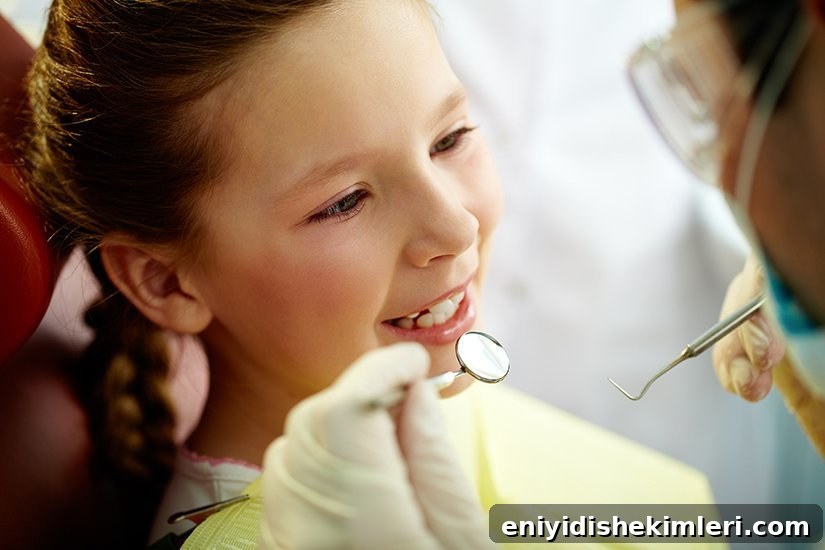
Fear of the dentist—often called dental fear, dental anxiety, or dental phobia—is common. Many patients bring this concern to the dental office, and while advice can be scattered or incomplete, there are proven approaches that help people regain control of their oral health and reduce fear.
When dental anxiety is left unaddressed it can turn a manageable worry into a serious barrier to care. Fortunately, many dental teams are experienced with anxious patients and will adapt care when patients communicate their needs.
Avoiding dental care often leads to worsening oral and overall health, and treating advanced problems is usually much more costly and invasive than routine preventive care.
Below I outline evidence-based strategies for overcoming dental anxiety and offer specific guidance for children and patients with disabilities.
Use these recommendations to take back control of your dental health without fear.
Functional Dentist Directory
IF YOU PURCHASE A PRODUCT USING A LINK ON THIS SITE, WE MAY RECEIVE A SMALL COMMISSION AT NO ADDITIONAL COST TO YOU.
Why are people afraid of the dentist?
Dental anxiety often stems from one or more causes. Common contributors include:
- Past experiences: Painful, embarrassing, or frightening visits in the past often form conditioned fear that influences future appointments.
- Media portrayals: Negative depictions of dental procedures in film and television can amplify fear.
- Modeling parental behavior: Children often adopt parents’ anxious responses to dental care.
- Direct verbal threats: Using the dentist as a punishment or threat can create long-lasting anxiety.
- Fear of pain: Worry about discomfort can lead to avoidance, which in turn increases the chance of painful problems later.
- Fear of injections: Concern about needles or anesthetic not working can heighten anxiety.
- Loss of control: Lying in the chair with limited ability to communicate can feel helplessening.
- Embarrassment: Worry about dental appearance, breath, or personal space can cause shame and avoidance.
- Financial concerns: Cost worries may discourage people from seeking care.
- Gender and perception: Some studies report higher rates of dental fear in women and note that patients who view providers as controlling are more likely to feel anxious.
Dental Anxiety vs. Dental Phobia
Dental anxiety ranges from mild unease to strong nervousness. Dental phobia (also called odontophobia or dentophobia) is an intense, often disabling fear that can trigger panic attacks, nausea, sleep disturbance, or extreme avoidance. Phobias typically require professional mental health treatment; home strategies alone are usually insufficient.
Drawbacks of Dental Fear
Skipping dental care allows plaque, tartar, and early decay to progress into cavities, gum disease, and infection. Preventive care—regular cleanings and early treatment—is far less invasive, less painful, and less expensive than waiting until problems become symptomatic. Gum disease in particular can lead to systemic health concerns such as worsening diabetes control, cardiovascular impacts, and links to cognitive decline.
Avoiding the dentist worsens outcomes. Address anxiety early so treatment stays preventive and manageable.

How common is dental anxiety and dental phobia?
Dental fear is widespread:
- Estimates of anxiety severe enough to cause avoidance range from roughly 8% to 19%, depending on the study.
- Many surveys find around 60% (some report up to 75%) of people have some fear about dental visits.
- Dental fear ranks among the more common specific anxieties people report.
- Most people feel less anxious after a procedure than they anticipated beforehand.
- Full-blown dental phobia affects about 1–5% of the population; these cases often need psychological treatment.
#1: Communicate openly with your dentist.
Start by telling your dental team what makes you nervous. A compassionate team will ask what specifically worries you—needles, drills, embarrassment, anesthesia concerns, or underlying anxiety disorders—and adapt care accordingly. Establish a clear stop signal with your provider so you can pause at any time if anxiety rises. A caring dentist will listen, explain procedures step by step, and offer reassurance throughout the visit.
If you don’t speak up, the team won’t know how best to support you. Clear communication is essential.
#2: Try a sensory-adapted environment.
A sensory-adapted dental environment reduces overstimulation by managing light, sound, and touch. Features can include dimmed lighting and calming effects, gentle vibroacoustic input, and deep pressure techniques. These adaptations are especially helpful for children and patients who are sensitive to sensory stimuli.
#3: Consider CBD oil before dental work (with medical guidance).
Some patients find that cannabidiol (CBD) reduces nervousness. Research specific to dentistry is limited, so consult your healthcare provider before trying CBD—especially if you take prescription medicines or heart medications—because of possible interactions. If approved by your provider, some patients report benefit from taking CBD the night before and the morning of an appointment. Dosing should be discussed with a clinician; start cautiously and monitor effects. Note that THC can increase anxiety in some people.
#4: Practice behavior modification and relaxation techniques.
Behavioral approaches and relaxation skills can substantially reduce dental anxiety. Effective techniques include guided imagery, biofeedback, hypnotherapy, acupuncture, distraction, the tell-show-do method, exposure therapy, and positive reinforcement. Relaxation practices such as progressive muscle relaxation, diaphragmatic breathing, applied relaxation, autogenic training, and the relaxation response help lower physiological arousal before and during visits.
#5: Find a dentist who uses therapy dogs.
Therapy dogs in dental settings can reduce anxiety for both children and adults. Short interactions in the waiting room or holding a therapy dog during care have been associated with lower reported anxiety and reduced blood pressure in clinical studies. If you prefer not to interact with an animal, inform the office staff in advance.

#6: Try cognitive-behavioral therapy (CBT).
CBT is a well-established, long-term treatment that helps reframe anxious thoughts and reduce avoidance. If anxiety causes panic or blocks care, a therapist can teach strategies to change unhelpful beliefs and practice exposure to dental situations in a controlled way.
#7: Request nitrous oxide.
Nitrous oxide (“laughing gas”) is commonly used to reduce anxiety and produce mild amnesia for dental procedures. It acts quickly and leaves the body rapidly once pure oxygen is breathed afterward. It can be as effective as some behavioral therapies for short-term anxiety relief. Rare side effects include nausea in children and, in very uncommon cases, interactions with vitamin B12 metabolism; patients with certain medical conditions should discuss risks with their dentist.

#8: Take anxiety-relief medication before visits (short-term option).
When other measures fail, short-term prescription anti-anxiety medication such as a benzodiazepine may be used to help a patient tolerate care. These medications have significant side effects and interactions, so they must be prescribed cautiously after a full medical history and usually are not a long-term solution.
#9: Consider IV sedation dentistry.
IV sedation provides a deeper level of sedation than nitrous oxide without general anesthesia. It should be administered by trained personnel and is appropriate for patients who cannot tolerate awake procedures despite other measures.
#10: Undergo general anesthesia (for extreme cases).
General anesthesia is reserved for severe dental phobia or complex procedures when other options are unsuitable. It requires an anesthesiologist and carries greater risks, so it’s used selectively.
Dental Anxiety in Children
Children often become less anxious after a positive first visit, so early, gentle exposure matters. Start dental visits when baby teeth appear, use positive reinforcement, and avoid using the dentist as a threat. If a parent is highly anxious, consider having another trusted adult accompany the child to prevent transfer of fear. For very anxious children, prepare them in the days before appointments with age-appropriate explanations, books, or role play. Music and sensory-adapted approaches can also help reduce distress. Use caution with general anesthesia in children, as it may address a single visit but not the underlying fear.
Dental Anxiety in Patients with Disabilities
Patients with physical or cognitive disabilities can be especially sensitive to sensory input or may have difficulty understanding procedures. Seek a dentist experienced in disability care—often a pediatric or special-needs dentist—who can tailor approaches and consider contraindications for sedation or medication. Animal-assisted therapy and sensory adaptations frequently benefit patients with intellectual or sensory disorders.
FAQs
Q
Is nitrous oxide safe for everyone?
A
Nitrous oxide is a long-used, generally safe option in dentistry. It dissipates quickly once oxygen is administered. Rare risks include nausea in children with excess dosing and potential interference with vitamin B12 in patients with deficiency or conditions that reduce B12 absorption. Patients with conditions such as pernicious anemia, inflammatory bowel disease, a history of certain gastrointestinal surgeries, use of metformin, or other B12 risk factors should discuss nitrous oxide with their dentist.
Q
What foods or drinks affect anxiety before a dental visit?
A
Avoid caffeine on the morning of your appointment because it can increase heart rate and jitteriness. A high-protein meal about an hour before the visit can help stabilize nerves; high-carbohydrate meals may increase agitation.
Q
Will a weighted blanket help me feel calmer?
A
Weighted blankets provide deep pressure stimulation and can reduce general anxiety for many people. If they help you in other contexts, bringing one to your dental visit may be beneficial—ask the office in advance.
Q
Can I use essential oils before or during my visit?
A
Some essential oils—like lavender—are associated with relaxation. Diffusing calming oils in the waiting area may help, though oils should not be used inside the mouth. Check with your dental team about any office policies or allergies.
References
- Selected peer-reviewed studies and reviews on dental anxiety, behavior-modification techniques, sensory-adapted environments, therapy animals, nitrous oxide safety, and sedation practices support the strategies described above.