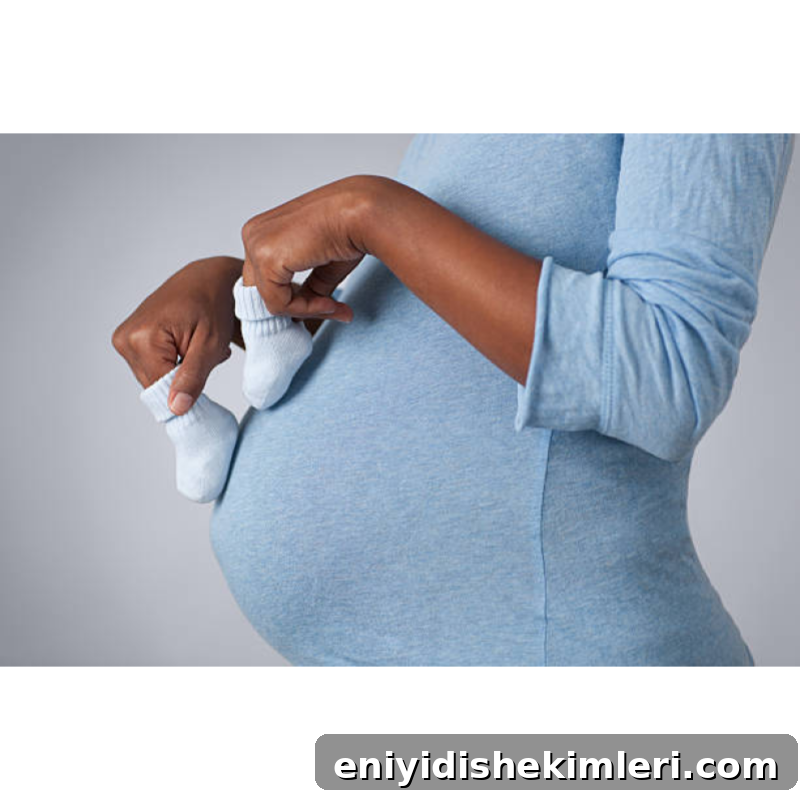
The dentist you choose can shape your future—and in this case, your family’s future. If you missed the earlier installments, they include Parts 1, 2, 3, and 4.
If you and your partner are trying to conceive, one of the first steps you should take together is a thorough gum evaluation.
That may sound surprising. You probably expected conversations about ovulation timing, prenatal vitamins, or lifestyle adjustments. Yet the connection between oral health and fertility is more direct than most people realize.
Here’s why it matters.
Gum disease can extend the time it takes to conceive by roughly two months.
In a large study tracking time-to-conception, women with gum disease averaged closer to seven months to achieve pregnancy, compared with about five months for women with healthy gums. The lead researcher compared the size of this effect to that of obesity. Two months can feel enormous when you are waiting cycle after cycle for a positive test.
Imagine two women with otherwise identical health profiles. One has healthy gums; the other has a low-grade, often unnoticed gum infection. On average, the woman with healthy gums will test positive about two months earlier—and a single overlooked factor in the fertility workup made the difference.
To understand how oral inflammation affects the reproductive system, picture the gum line as a protective barrier. When gums are healthy, they form a tight seal around each tooth and sit above a rich network of blood vessels.
If the balance of oral bacteria shifts and the gums become inflamed, that seal weakens. Think of a worn gasket or a tear in a screen. Once the seal fails, routine actions such as brushing can push oral bacteria into the bloodstream—a process called bacteremia. Blood circulates throughout the body, reaching the heart, brain, joints, and reproductive organs.
In laboratory studies, researchers introduced a common gum-disease bacterium, Fusobacterium nucleatum, into the bloodstream of pregnant mice. The bacteria appeared first in the placental blood vessels, breached those vessel walls, and spread into surrounding tissues and amniotic fluid, triggering premature births and stillbirths. That same organism has been detected in placentas and amniotic fluid from women who delivered early.
So this concern does not stop at conception. Untreated gum disease during pregnancy has been associated with higher risks of preterm birth, low birth weight, and preeclampsia. Reviews combining multiple studies report roughly a tripling of risk for those outcomes when gum disease is present.
And it’s not only the mother’s gums that matter. Historically, research focused on women, but newer studies include men. A 2025 review that pooled data from nine studies involving 1,386 men found that periodontal disease negatively affected key sperm parameters: reduced motility (how well sperm swim), more abnormal morphology (shape), and increased DNA damage. While studies disagreed about sperm count, motility, shape, and DNA integrity are critical to healthy conception and early development. Inflammation and oxidative stress appear to be the common mechanisms linking oral disease to these reproductive changes. Reproduction requires two partners, and both can benefit from attention to oral health.
It’s important to be clear about what the evidence shows. The association between gum disease and prolonged time-to-conception is consistent, and animal studies clarify potential mechanisms. However, we don’t yet have a definitive clinical trial proving that treating gum disease shortens the time to conception in people. What we do know points in a specific direction: intervening early, before pregnancy, is more promising than starting treatment after conception has occurred.
A large randomized trial treating gum disease during pregnancy showed dental treatment is safe, but it did not reduce preterm birth rates—suggesting the window for prevention is before pregnancy.
This is where dental care matters. A practitioner who considers whole-body health will recommend a pre-conception dental cleaning and a focused gum exam for both partners, treating any active periodontal disease before you begin trying to conceive. In many traditional dental models the mouth is treated as separate from the rest of the body, and that separation can leave an important factor unaddressed.
Here are practical, evidence-aligned steps to take before and during conception:
- Both partners get a cleaning and a thorough gum exam before you start trying. Ask specifically whether there is active gum disease and treat it before attempting conception—the research points to this pre-conception window.
- If your gums bleed, act promptly. Bleeding gums signal a failing seal and ongoing inflammation. It’s a common and highly treatable issue and should be addressed early.
- Maintain dental care during pregnancy. Treating gum disease while pregnant is safe. Skipping dental care introduces unnecessary risk and is not recommended.
- If your dentist doesn’t connect oral health to overall health, find one who does. Look for practitioners who evaluate oral health as part of whole-body care and who will include pre-conception planning in their recommendations.
This advice does not replace care from your obstetrician or fertility specialist. Rather, it adds a simple, often overlooked step you can take together that may improve the odds for a healthy pregnancy. It’s one of the few fertility interventions both partners can address immediately.
Warmly,
Mark

P.S. If you prefer gentle, low-chemical oral care while trying to conceive and through pregnancy and postpartum, consider basic items such as a mild, fluoride or non-fluoride toothpaste that suits your needs; a gentle, effective floss; a natural oil-pulling blend as an alternative to strong mouthwashes; a simple tongue scraper; and appropriate supplements like magnesium and electrolytes if recommended by your healthcare provider. Discuss any products or supplements with your clinician to ensure they fit your personal health needs.