
Sleep apnea has long been linked with older, overweight men, but research increasingly shows that women of all ages and body types can experience obstructive sleep apnea—interruptions in breathing during sleep. Because many women do not display classic warning signs, they are often undiagnosed.
Clinicians frequently use neck circumference as an indicator for sleep apnea, yet women with slim necks are commonly overlooked. A narrow neck, small mouth, or slender jaws can actually increase the likelihood that the airway will become blocked during sleep.
A recent study found that as many as 50 percent of women between 20 and 70 experience some degree of sleep-disordered breathing caused by obstructive sleep apnea, ranging from mild to severe.
Previous population estimates of sleep apnea prevalence—often cited at around five to six percent—underestimate the true rate. In clinical practice, the prevalence is substantially higher, and many individuals go undetected. Women in particular may not report daytime sleepiness or loud snoring, so their breathing disturbances can go unnoticed for years. For example, a healthy, petite person may still have severe obstructive sleep apnea without the typical symptoms of fatigue.
Even a few breathing interruptions each night can be harmful. Repeated apneas and hypopneas increase the risk of high blood pressure, stroke, diabetes, weight gain, depression, and anxiety.
Testing is simple and worthwhile. Home sleep testing through a sleep clinic uses a small monitoring device worn overnight and can confirm whether breathing interruptions occur. This type of testing allows assessment of your ability to sleep without respiratory disturbances in the comfort of your own bed.
Good news: continuous positive airway pressure (CPAP) therapy, while very effective, can be bulky and uncomfortable and is not always required for women with mild to moderate obstructive sleep apnea. For many, a custom oral appliance—similar in appearance to a dental retainer—can advance the lower jaw slightly, opening the airway and preventing interruptions in breathing.
Obstructive sleep apnea in women is more common and more under-diagnosed than previously believed. Ensuring you get restorative, uninterrupted sleep is essential for daily functioning and long-term health.
What You Can Do: The 3-Step CAR Method
Use the CAR method to check your sleep health and reduce the risk of undetected breathing interruptions. Early action can make a meaningful difference.
- Consider: Don’t dismiss sleep concerns, even if you feel healthy and young. Improving sleep quality now can have significant benefits. Sleep is a biological necessity—proactively protecting it matters.
- Assess: Ask your dentist whether you grind your teeth; teeth grinding is a common indicator associated with sleep-disordered breathing. You can also monitor nighttime sounds with a sleep app to record snoring, teeth grinding, talking, or other noises that may indicate interruptions. Alternatively, invite a partner, friend, or family member to listen for a short period while you sleep and report any unusual sounds.
- Referral: If signs suggest a problem, ask your primary care provider for a referral for a formal sleep study and to see a sleep medicine specialist. Diagnosis and management should be guided by a physician trained in sleep disorders.
Want to learn more? Check out my #1 Amazon bestselling book, The 8-Hour Sleep Paradox.
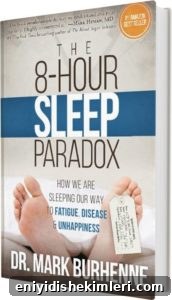 This book explains practical steps to improve the quality of your sleep so you can be more alert, healthier, and better rested.
The program outlines strategies to help you:
- Support healthy weight by helping regulate appetite
- Slow aspects of biological aging
- Wake up feeling refreshed and positive
- Boost energy, concentration, and mental clarity
- Reduce daytime sleepiness and brain fog
Get your copy now!