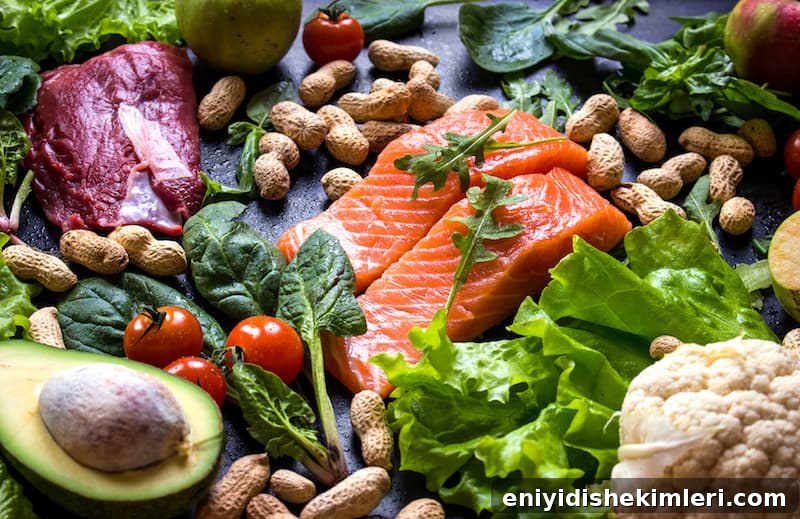
Over half of Americans have some form of gum disease (periodontal disease). The good news is that when detected early, progression can be halted and damage can often be partially reversed.
However, gum disease is hard to treat without accurate information. Much of the common advice is incomplete or misleading. It’s time to clarify what truly helps.
Stopping gum disease requires a combined approach with three essential elements:
- A gum-disease-fighting diet
- Professional dental care
- Effective oral hygiene
These are listed in order of long-term importance.
There is a lot of confusion about prevention and reversal, especially around dental hygiene. Before discussing nutrients and foods, make sure your daily habits aren’t unintentionally harming your gums. Review the checklist below — some items may surprise you.
- Use an extra-soft-bristled toothbrush.
- Replace your toothbrush every three months — bristles break down and become less effective over time.
- Avoid brushing too hard; excessive force damages gum tissue. Some people find brushing with their non-dominant hand helps reduce pressure.
- Limit or avoid strong antibacterial mouthwashes like Listerine, which can disrupt the balance of oral bacteria.
While consistent, gentle oral hygiene is important, diet plays an even larger role. Even excellent brushing and flossing can’t fully compensate for a diet that undermines your immune system and nourishes harmful bacteria.
Treat food as medicine: the right nutrients support a resilient immune response and a healthy oral microbiome. Below are the key nutrients linked to better gum health and how to get them from whole foods.
Key nutrients for fighting gum disease
A healthy body resists periodontal disease more effectively. Certain nutrients are particularly beneficial because they support tissue repair, reduce inflammation, and promote a balanced oral microbiome. Aim to include foods rich in:
- Coenzyme Q10 (CoQ10) – An antioxidant needed for healthy cell function. Adequate CoQ10 is associated with lower rates of gum disease and can concentrate in gum tissue to help suppress periodontal inflammation.
- Collagen – Gum disease involves breakdown of connective tissue and collagen. Consuming collagen-rich foods supports tissue repair and integrity.
- Catechins – Potent phenolic antioxidants found in certain plant foods and beverages that help inhibit harmful bacteria and reduce gum inflammation.
- Vitamin C – Low vitamin C levels are linked to greater gum disease risk. Vitamin C boosts immune response, aids collagen formation, and supports gum healing.
- Beta carotene – A provitamin converted to vitamin A in the body; beta carotene reduces inflammation and supports tissue health.
- Omega-3 fatty acids – Anti-inflammatory fats that support immune function. Higher omega-3 intake is associated with lower rates of periodontal disease.
At the same time, reduce foods that feed harmful oral bacteria. In particular, limit refined sugars and processed carbohydrates that fuel pathogens and worsen inflammation.
The 12 best foods to eat if you have gum disease
Below are foods that supply the nutrients listed above and help support healthier gums.
1. Nuts and seeds high in omega-3s
Macadamia nuts, pistachios, flax and chia seeds, and sesame seeds provide omega-3s and other beneficial nutrients. Their anti-inflammatory effects can help protect gum tissue.
2. Salmon and other fatty fish
Oily fish such as salmon, mackerel, and herring are excellent sources of omega-3 fatty acids, which reduce inflammation and support immune function.
3. Grass-fed beef
Grass-fed beef offers collagen and a more favorable omega-3 to omega-6 ratio than grain-fed beef. Collagen supports connective tissue repair important for periodontal health.
4. Chicken
Chicken contains CoQ10 and collagen; including the skin can increase collagen intake. Choose well-sourced poultry to avoid added antibiotics and inflammatory residues.
5. Bone broth
Bone broth concentrates collagen and minerals that support connective tissues. It’s a convenient way to add collagen to the diet.
6. Shiitake mushrooms
Shiitake mushrooms contain lentinan, a polysaccharide shown to inhibit certain harmful bacteria, and they have anti-inflammatory properties that can benefit gum health.
7. Broccoli
Broccoli is rich in vitamin C and other micronutrients (B vitamins, magnesium, iron, calcium, selenium) that support overall and oral health.
8. Red and green bell peppers
Bell peppers are exceptionally high in vitamin C — a one-cup serving can supply well over 100% of daily needs — making them a powerful addition to a gum-supportive diet.
9. Sweet potatoes
Sweet potatoes are rich in beta carotene (a precursor to vitamin A), vitamin C, vitamin B6, and manganese, helping to reduce inflammation and support tissue repair.
10. Green tea
Green tea is a strong source of catechins and has been associated in studies with a lower prevalence of periodontal disease. Drinking green tea provides antioxidants that help control harmful bacteria and inflammation.
11. Cacao
Raw cacao contains catechins and other compounds that help reduce plaque and tooth decay while strengthening enamel. Choose low-sugar, minimally processed chocolate (70%+ cacao) to gain benefits without excess sugar.
12. Probiotic-containing foods
Kefir, sauerkraut, kimchi, and other fermented foods promote beneficial bacteria in the mouth and gut. Probiotics and fermented dairy have been associated with reduced gingivitis, plaque, and protective effects against periodontal disease.
Stop gum disease in its tracks
The most effective strategy combines sound knowledge, a nutrient-dense diet, appropriate professional care, and gentle but consistent oral hygiene. Prioritize foods that reduce inflammation, support collagen, and nourish the oral microbiome while minimizing sugars and refined carbs that favor harmful bacteria.
With the right habits and dietary choices you can better prevent and even help reverse early gum disease. Share this information with friends or family who might still follow outdated dental advice — diet is a powerful first line of defense.
Dr. Mark Burhenne
Learn More:Soothe Inflamed Gums with this Turmeric Golden Milk Tea