Do you remember the ads that encouraged you to keep up a strict mouthwash routine? Many people still follow that habit, believing mouthwash simply kills harmful bacteria and leaves breath minty fresh. The reality is more complex.
While mouthwash does reduce bacterial levels, it does not distinguish between harmful microbes and the beneficial flora that naturally live in the mouth. Strong antibacterial mouthwashes can disrupt the oral microbiome by eliminating helpful bacteria, allowing pathogenic species to recolonize at different rates and sometimes worsening bad breath over time.
Disrupting the oral microbiome can have wider consequences. The mouth is the starting point of the digestive tract, and oral microbial balance contributes to overall gut health. Overuse of antibacterial mouthwash may interfere with processes linked to digestion and even cardiovascular health, including pathways involving nitric oxide.
Another issue is that many conventional mouthwashes contain alcohol, which dries the mouth and reduces saliva flow. Saliva plays an important role in maintaining a healthy oral pH and controlling bacterial growth. A dry mouth encourages the growth of odor-causing bacteria and can worsen halitosis. Some studies also raise concerns that chronic dryness from alcohol-based mouthwashes may increase certain oral health risks.
The most reliable way to maintain fresh breath and oral health is consistent mechanical cleaning: brush, floss, and scrape your tongue daily. These practices remove plaque, food debris, and microbial buildup without indiscriminately killing beneficial bacteria.
That said, if you enjoy the fresh feeling of mouthwash and aren’t ready to stop using it, you can choose gentler formulas. Look for products made with natural ingredients and avoid harsh additives that can harm the oral microbiome or cause dryness.
Ingredients to avoid in mouthwash:
- Alcohol
- Chlorine dioxide
- Chlorhexidine
- Cocamidopropyl betaine
- Parabens
- Poloxamer 407
- Formaldehyde
- Saccharin
Natural mouthwash options worth considering
1. Oral Essentials
Oral Essentials is a dentist-formulated rinse that uses Dead Sea salt for mineral content. Sea salt can support remineralization, the process of restoring minerals to the tooth surface. The formula also contains holy basil oil, known for adaptogenic properties, and aloe vera juice, prized for soothing and healing effects. Because it contains essential oils, use this product sparingly rather than as a daily, heavy-duty rinse.
Boost Remineralization
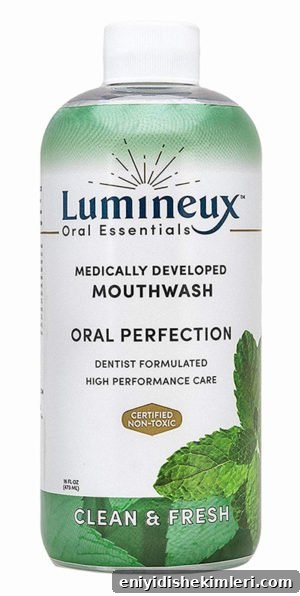
Oral Essentials Clean & Fresh Mouthwash
2. Georganics Coconut Oil Pulling Mouthwash
Inspired by the traditional Ayurvedic practice of oil pulling, this rinse features organic coconut oil for a light coconut aroma and gentler action than alcohol-based mouthwashes. Oil pulling can help reduce odor-causing bacteria and leave the mouth feeling refreshed without disrupting the oral microbiome as aggressively.
Oil Pulling Option
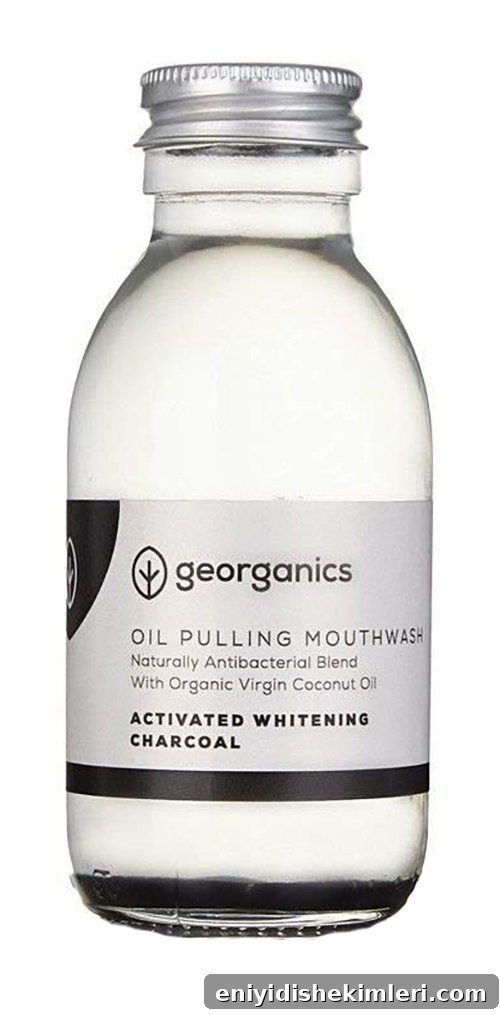
Georganics Coconut Oil Pulling Mouthwash
3. Auromere Ayurvedic Mouthwash
Auromere uses neem, a traditional botanical sometimes called the Indian toothbrush tree. Research indicates neem can be effective for oral health and plaque control without the harsh side effects associated with some synthetic antiseptics. Its herbal formula offers a gentler alternative for people seeking natural oral care.
Neem-Powered Option
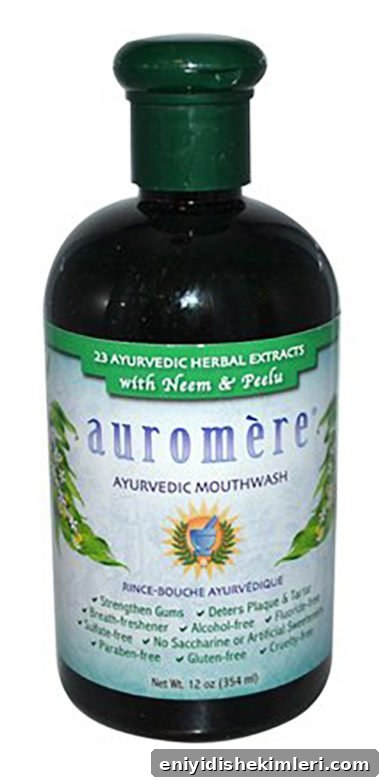
Auromere Ayurvedic Mouthwash
BONUS! 3 Homemade Mouthwash Recipes
Homemade rinses can be a simple, inexpensive alternative. A basic recipe combines distilled water and baking soda; baking soda helps neutralize acids and can support oral pH balance. You can add sea salt for additional minerals and remineralization benefits, though salt may make the rinse less palatable. Avoid adding essential oils frequently, since concentrated oils can be antimicrobial and may upset the oral microbiome if overused.
Here are a few DIY rinse concepts tailored to common concerns:
- Remineralizing mouthwash — a baking soda and mineral-rich salt solution aimed at supporting enamel health
- Turmeric mouthwash — useful for breath freshness and as an herbal option for gingival inflammation
- pH-balancing mouthwash — formulated to neutralize acids from coffee, wine, or soda to protect enamel
Dr. Mark Burhenne
Have more questions about mouthwash and oral health? Ask your question to a dental professional for personalized advice.
Learn More:Can Rinsing With Mouthwash Replace Brushing?