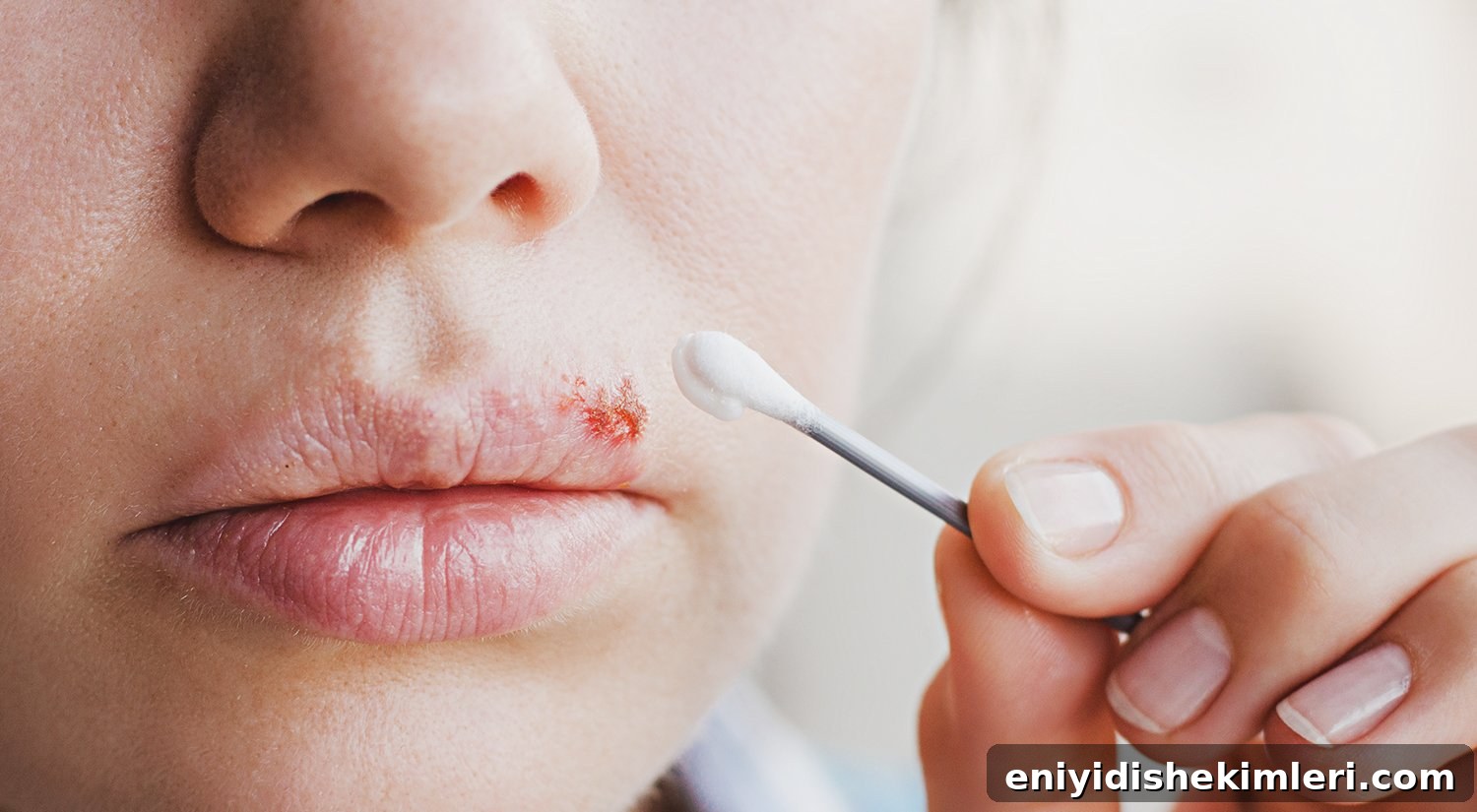
Cold sores, also called fever blisters, typically last about two weeks and resolve without treatment. Treating a cold sore early, however, can reduce both the duration and the severity of symptoms.
Effective options to help get rid of a cold sore faster include:
- Over-the-counter docosanol (Abreva)
- Viroxyn Professional (dental supply)
- Propolis
- Apple cider vinegar (diluted)
- Essential oils (tea tree, peppermint, ginger, thyme, hyssop, sandalwood, eucalyptus)
- Lemon balm (Melissa officinalis)
- Kanuka honey
- Zinc oxide cream
- Aloe vera gel
- L-lysine (supplement or topical)
- Prescription antivirals (acyclovir, valacyclovir, famciclovir, penciclovir)
1. Abreva (Docosanol)
Apply a topical antiviral such as docosanol at the first sign of a breakout—often a tingle or mild itch. No remedy will cure a cold sore within 24 hours, but early treatment can shorten the episode and lessen symptoms.
Docosanol (Abreva) is the only over-the-counter topical treatment approved by the FDA for cold sores. When used as directed—typically five times daily—it can modestly reduce healing time. Evidence suggests Abreva shortens outbreaks to roughly 4–7 days versus 8–11 days without treatment and also reduces burning, itching, and tingling.
My Pick
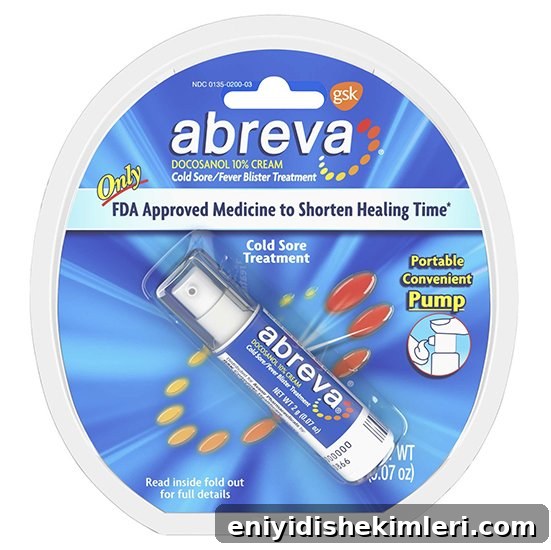
Abreva Docosanol 10% Cream
2. Viroxyn Professional
Viroxyn is available through some dental providers and is marketed as a topical treatment that may shorten cold sore duration. Clinical data from a small trial found Viroxyn alone produced faster healing times than docosanol, with average outbreaks shortened to about four days in that study.
3. Propolis
Propolis, a bee product found in bee pollen and resins, shows antiviral activity against HSV-1 and HSV-2 in laboratory studies and some clinical research. It may be useful alone or alongside prescription antivirals in reducing viral activity and symptoms.
My Pick
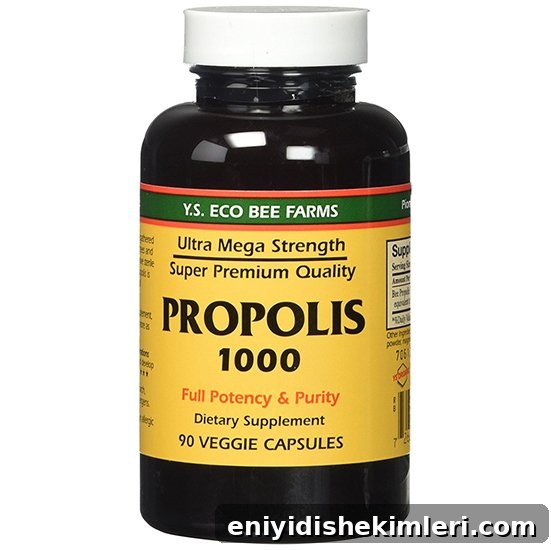
YS Bee Farms’ Bee Propolis 1000mg Capsules
4. Apple Cider Vinegar
Apple cider vinegar (ACV) is commonly used as a home remedy because of its antibacterial and antiviral properties. If you use ACV, dilute it (about 1 part ACV to 10 parts water) and dab gently with a cotton swab once or twice daily until the sore scabs and heals. Do not apply undiluted ACV to the skin—it’s too acidic and can cause irritation.
5. Essential Oils
Several essential oils have shown antiviral effects in lab studies and are used anecdotally for cold sores. Oils to consider include eucalyptus, tea tree, peppermint, ginger, thyme, hyssop, and sandalwood. Many of these oils show activity against HSV strains in vitro and may be helpful when diluted appropriately.
Always dilute essential oils in a carrier oil such as coconut or almond oil before applying to skin to reduce the risk of irritation or allergic reaction.
6. Lemon Balm
Lemon balm (Melissa officinalis) is an herb in the mint family with antiviral properties shown in laboratory research. It’s available as teas, supplements, extracts, and topical preparations and may help reduce viral activity and symptoms when used early.
7. Kanuka Honey
Kanuka honey (distinct from manuka honey) has been evaluated in clinical trials and performed comparably to topical acyclovir in reducing outbreak length and symptoms such as pain and itching. Kanuka honey is found chiefly in New Zealand and Australia and contains naturally occurring peroxide compounds that may contribute to its antiviral effects.
8. Zinc Oxide Cream
Topical zinc oxide formulations have been shown in some studies to modestly reduce the duration of cold sore outbreaks—by about a day or two—comparable to the effect seen with docosanol in certain trials. Zinc oxide creams are widely available and commonly used for skin protection.
9. Aloe Vera Gel
Aloe vera applied topically can soothe irritated skin and has demonstrated antiviral activity against HSV in laboratory studies. Using a pure aloe vera gel may relieve discomfort and support healing.
10. Lysine
L-lysine, an essential amino acid, is used by some people to prevent or reduce the severity of cold sores. Older clinical research reported benefits from long-term supplementation, while later reviews have been inconclusive. Foods rich in lysine include beef, chicken, pork, and many cheeses. Lysine supplements are available in oral and topical forms.
11. Antiviral Medications to Treat Cold Sores
For frequent or severe outbreaks, prescription antiviral medications are often the most reliable option. Options include oral or topical acyclovir, oral valacyclovir (Valtrex), oral famciclovir (Famvir), and topical penciclovir (Denavir). These drugs can shorten healing time and reduce symptom severity when taken promptly.
Topical medicated gels can also create a protective barrier to ease talking, eating, and drinking. Benzyl alcohol products may help dry and soothe the area, though they do not have the same evidence base for shortening outbreaks as docosanol. Apply any topical treatment carefully and avoid touching the sore directly to prevent spreading the virus to your fingers.
Follow dosing instructions for any medication and contact your doctor if you experience unexpected symptoms or if the infection appears to worsen; in rare cases, intravenous antivirals may be required for serious infections.
How to Treat Cold Sore Pain
To relieve pain and discomfort from a cold sore, try:
- Ice or a cold compress to reduce swelling and numb the area
- Anti-inflammatory medications such as ibuprofen
- Pain relievers like acetaminophen (Tylenol)
- Topical numbing agents containing benzocaine or lidocaine to reduce surface pain
Avoid touching or picking at the sore, which can prolong healing and increase pain.
When to Call a Doctor
Most cold sores resolve within two weeks, but seek medical attention if you experience any of the following:
- A sore that lasts more than two weeks
- An initial outbreak accompanied by fever and sore throat
- Frequent recurrences (multiple outbreaks per year)
- Severe pain or sores near the eyes
- Spread of sores to other body areas
- Cold sores occurring on open eczema lesions (risk of eczema herpeticum)
- Cold sores in infants or very young children
What Not to Do with a Cold Sore
To avoid worsening the infection or spreading the virus, follow these guidelines:
- Do not touch the cold sore. If you accidentally touch it, wash your hands immediately.
- Do not pop the blister. Popping can spread the virus and increase the risk of secondary infection.
- Do not scrub the area. Gentle cleansing is sufficient to keep the area clean.
- Do not pick at the scab. Allow it to fall off naturally to reduce scarring.
- Avoid intimate contact, including kissing and oral sex, until the sore is fully healed.
- Avoid very spicy or acidic foods that can irritate the lesion.
How to Prevent Cold Sores
Prevention focuses on supporting the immune system and minimizing triggers. Use lip sunscreen, replace toothbrushes regularly after an outbreak, manage stress, and avoid direct contact with active lesions on others. If you identify particular triggers—such as sun exposure, stress, or illness—take steps to reduce their impact.
Takeaways: How to Get Rid of a Cold Sore
Cold sores are caused primarily by HSV-1. Symptoms often begin with tingling, itching, or burning within a few days of exposure. Most outbreaks last around two weeks, but early treatment with over-the-counter antivirals like docosanol can shorten healing time. Several home remedies—such as propolis, kanuka honey, aloe vera, zinc oxide, and certain essential oils—may help reduce symptoms and support healing, though evidence varies.
Treat pain with cold compresses, anti-inflammatory or pain-relieving medications, and topical numbing agents. Avoid touching, picking, or otherwise disturbing the sore to prevent spread and scarring. Contact a healthcare provider for severe, persistent, or recurrent outbreaks, sores near the eyes, or signs of systemic illness.
References
- Sacks SL et al. Clinical efficacy of topical docosanol 10% cream for herpes simplex labialis. Journal of the American Academy of Dermatology. 2001.
- McCarthy JP et al. Treatment of herpes labialis: comparison of two OTC drugs and untreated controls. Journal of Esthetic and Restorative Dentistry. 2012.
- Pasupuleti VR et al. Honey, propolis, and royal jelly: a comprehensive review. Oxidative Medicine and Cellular Longevity. 2017.
- Bankova V et al. Chemical composition of propolis extract and activity against herpes simplex virus. Phytomedicine. 2014.
- Yildirim A et al. Antiviral activity of Hatay propolis against HSV-1 and HSV-2. Medical Science Monitor. 2016.
- Gopal J et al. Authenticating apple cider vinegar’s claims. Natural Product Research. 2019.
- Schnitzler P et al. Antiviral activity of tea tree and eucalyptus oil against herpes simplex virus in cell culture. Die Pharmazie. 2001.
- Schuhmacher A et al. Virucidal effect of peppermint oil on herpes simplex virus in vitro. Phytomedicine. 2003.
- Schnitzler P et al. Susceptibility of drug-resistant HSV-1 to essential oils. Antimicrobial Agents and Chemotherapy. 2007.
- Nolkemper S et al. Antiviral effect of Lamiaceae extracts against HSV. Planta Medica. 2006.
- Semprini A et al. Kanuka honey versus aciclovir for topical treatment of herpes simplex labialis. BMJ Open. 2019.
- Beitlich N et al. Differentiation of manuka and kanuka honey. Journal of Agricultural and Food Chemistry. 2014.
- Godfrey HR et al. Randomized clinical trial on topical zinc oxide/glycine for oral herpes. Alternative Therapies in Health and Medicine. 2001.
- Rezazadeh F et al. Assessment of anti-HSV-1 activity of aloe vera gel extract. Journal of Dentistry. 2016.
- Griffith RS et al. Success of L-lysine therapy in recurrent herpes simplex infection. Dermatology. 1987.
- Chi CC et al. Interventions for prevention of herpes simplex labialis. Cochrane Database of Systematic Reviews. 2015.
- Richardson VN et al. Patterns of disease and treatment of cold sores. Journal of Dermatological Treatment. 2013.