When I first began seeing patients in Silicon Valley, I noticed something curious.
Many of my South Asian patients showed mild yellow‑orange staining on their teeth, often along the gumline or on molar surfaces.
When I asked about their diets, turmeric kept coming up. I reassured them the stains weren’t a reason to stop using it. On the contrary—turmeric is one of the most remarkable ingredients you can include in your diet.
Back in the 1990s and early 2000s, turmeric was mainly a kitchen spice; it would be years before it became a wellness trend featured in golden lattes and smoothies.
Long before wellness cafés, turmeric was an Ayurvedic staple with centuries of use. What fascinated me was how a common spice could have such meaningful effects inside the body.
Turmeric vs. Curcumin
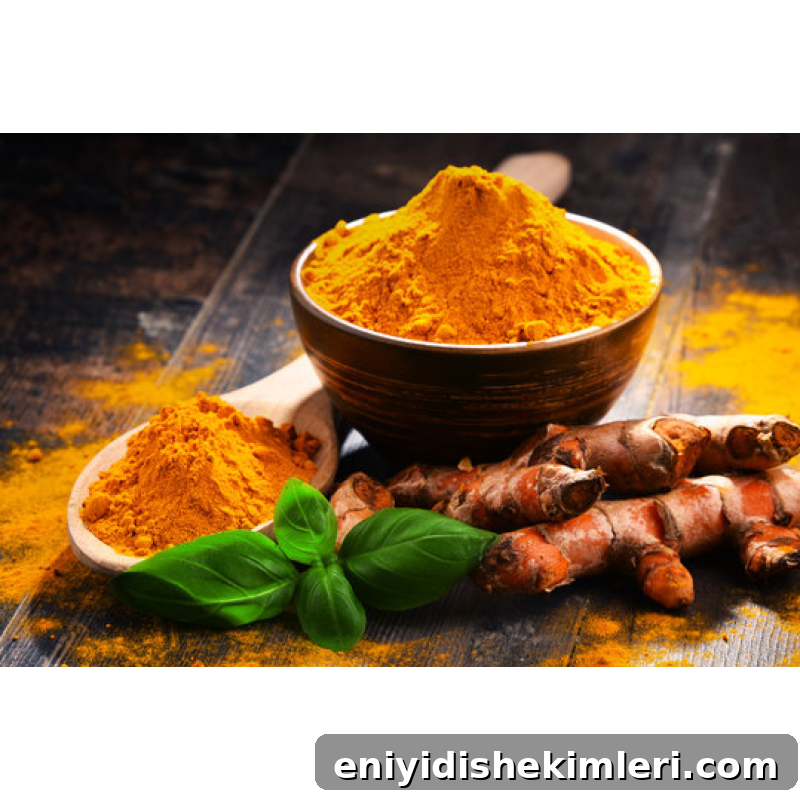
A common confusion: turmeric is the whole spice used in cooking, while curcumin is one of its active compounds. They are related but not interchangeable.
Curcumin by itself has poor bioavailability, meaning the body absorbs very little of it. Effective supplements pair curcumin with black pepper extract (piperine) or use formulations that bind curcumin to phospholipids (phytosomes). Without such measures, many capsules deliver little benefit.
Turmeric tea contains only trace amounts of curcumin; you would need to drink many cups to reach an effective dose. Many commercial turmeric beverages are more marketing than medicine.
Purity Matters
Turmeric is inexpensive to grow and process, which makes adulteration a real concern:
- Some products contain very low levels of active curcuminoids.
- Contamination with heavy metals, including lead, has been reported.
- Some over‑the‑counter supplements have shown weak doses or contamination when tested.
Sourcing and third‑party testing matter. A well‑labelled product can still hide risks if it hasn’t been independently verified for potency and purity.
I wasn’t taught about turmeric or Ayurvedic practices in dental school—techniques like tongue scraping, oil pulling, and turmeric use were outside the standard curriculum. Yet patients continued to mention them, and practices that survive for centuries often do so because they work.
That habit of noticing patterns shaped how I approached other health observations, such as the links between mouth breathing and cavities. Many important clinical insights begin with careful observation and listening to patients, long before large trials confirm them. Turmeric falls into that category: some benefits are well established, others are promising and still emerging.
What the Research Says
There is high‑quality evidence for both oral and systemic benefits of curcumin and turmeric:
- Osteoarthritis: Meta‑analyses of randomized trials show curcuminoids reduce knee pain and improve function compared with placebo, performing similarly to NSAIDs with fewer adverse events.
- Ulcerative colitis: As an adjunct to standard therapy, curcumin has increased clinical and endoscopic remission in mild to moderate disease in randomized trials, with later reviews supporting benefit and calling for larger studies.
- Depression: Pooled randomized trials report modest but statistically significant reductions in depressive symptoms compared with placebo.
- Allergic rhinitis: Oral curcumin improved nasal symptoms and airflow versus placebo in controlled trials.
- Gingivitis and periodontitis: Curcumin mouthrinses and subgingival gels have reduced plaque and gingival inflammation, performing similarly or better than chlorhexidine when used alongside professional cleaning.
- Mechanisms: Curcumin modulates inflammation by downregulating signaling pathways such as NF‑κB and reducing pro‑inflammatory molecules like TNF‑α, IL‑1β, and IL‑6.
- Meta‑analyses report curcumin supplementation lowers systemic inflammatory markers such as CRP and IL‑6. Reviews also note improvements in symptom scores and quality of life for conditions like rheumatoid arthritis and inflammatory bowel disease.
- Emerging studies suggest potential cognitive benefits—improvements in memory and attention in older adults have been observed in some trials, though more research is needed.
Turmeric doesn’t blunt the immune system indiscriminately. It appears to modulate chronic, low‑grade inflammation—reducing harmful signaling while preserving necessary immune responses.
Who Should Be Careful
Turmeric and concentrated curcumin aren’t suitable for everyone. High doses can cause gastrointestinal upset or muscle cramps. Curcumin can interact with medications and may affect metabolic pathways. Children require pediatric dosing considerations. When purity is uncertain, risks can outweigh benefits. If you take prescription drugs, consult your clinician before starting a supplement.
How I Use It
I take curcumin with meals that include healthy fats—breakfast with eggs and olive oil or with dinner—to improve absorption. I choose products that combine curcumin with piperine or use a phytosome formulation and that undergo third‑party testing for purity.
If you’re shopping for supplements, consider these criteria:
- At least 500 mg of curcumin per serving.
- Inclusion of black pepper extract (piperine) or a phytosome formulation to boost bioavailability.
- No unnecessary fillers or artificial colors.
- Transparent third‑party batch testing for potency and contaminants.
I also cook with turmeric regularly. It adds warmth and depth to dishes—yes, it can stain fingers and countertops, but the flavor and potential benefits make it worthwhile.
Try this: Golden Scrambled Eggs: Whisk two eggs with a pinch of turmeric, a grind of black pepper, and a splash of milk. Cook slowly in olive oil or ghee until soft and just set. The fat and the pepper aid curcumin absorption, and the flavor is warm and subtle.
Bottom Line
Turmeric is more than a trend. It’s a low‑risk, potentially high‑benefit way to support healing and reduce chronic inflammation. Whether your joints ache or your gums bleed when you floss, calming inflammation can improve how you feel now and how you age over time.
Many traditional remedies predate modern medicine for good reasons. Often the most powerful medicines are already in your kitchen. I welcome hearing how you use turmeric—share your experience if you like.

P.S. Know someone who would appreciate this information? Forward it to them and encourage them to sign up for future updates.