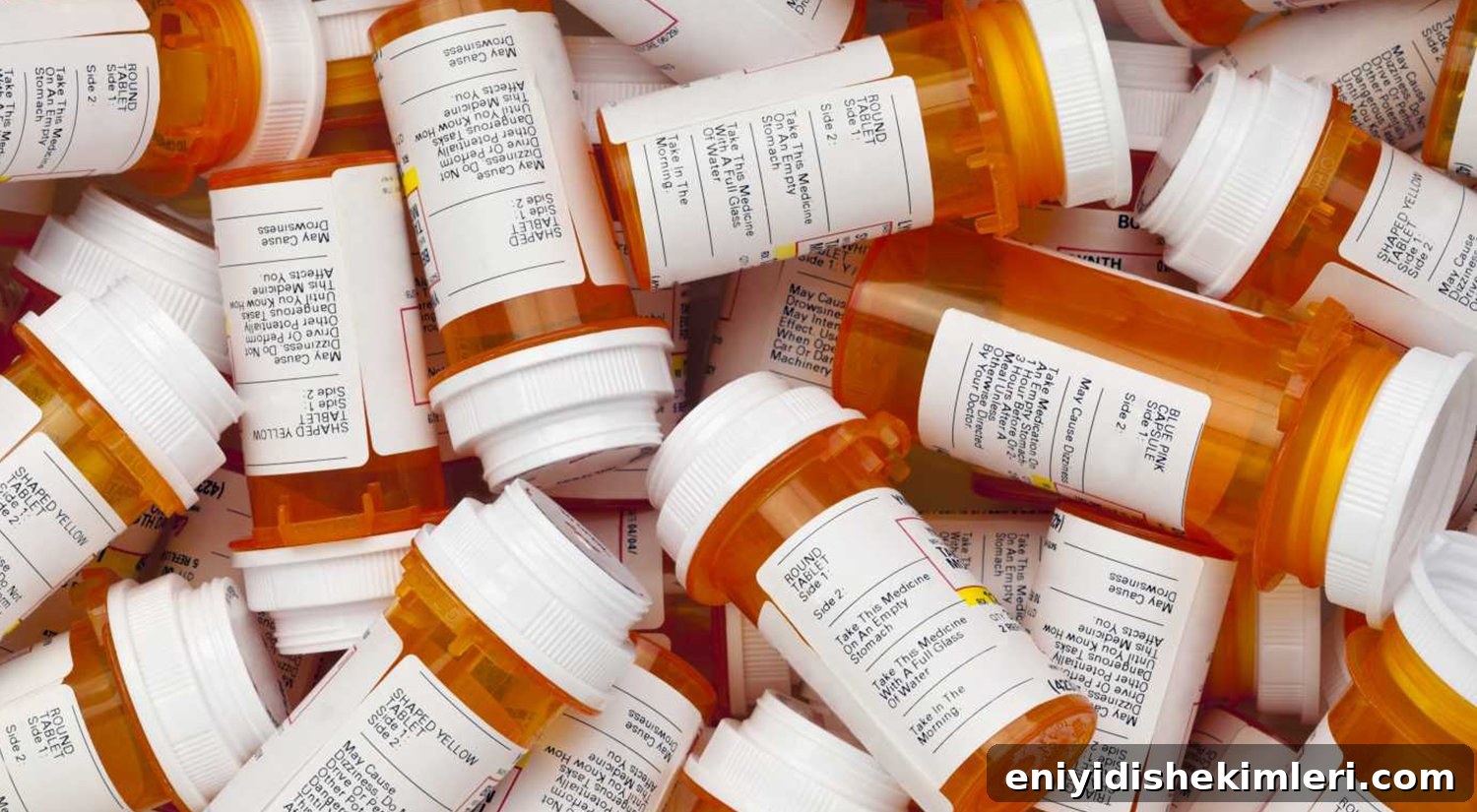
You may have heard the phrase “opioid epidemic,” but what does it really mean? The problem extends into many parts of our health system — including dental care — and understanding how dentistry intersects with opioid misuse can help patients, families, and clinicians reduce harm.
Dental offices are sometimes an entry point to opioid exposure. Opioids are effective for short-term pain after some procedures, and many dentists prescribe them appropriately. Still, prescribing decisions, patient education, and safe storage/disposal all influence whether a useful medication becomes the start of a dangerous pattern.
Below is a clear, practical overview of what opioids are, how dental prescribing contributes to the larger epidemic, who is at risk, the short- and long-term effects, and steps dentists, patients, and families can take to prevent misuse and protect one another.
What are opioids?
Opioids are a class of drugs used to relieve pain. Dentists commonly prescribe them after extractions, oral surgery, or other procedures that cause significant short-term pain. While opioids can be appropriate, they carry risks: they are addictive and can produce serious side effects when misused.
Because physical dependence and addiction can develop quickly, conservative prescribing and close follow-up are important. Some studies suggest addiction can begin within days of exposure, and many dental prescriptions historically covered several days to a week—sometimes longer—exposing patients to greater risk.
Common opioids prescribed in dentistry
Opioids dentists may prescribe include:
- Hydrocodone (often combined with acetaminophen; e.g., Vicodin)
- Oxycodone (found in Percocet or OxyContin)
- Codeine combined with acetaminophen (Tylenol® No. 3 or No. 4)
Other opioids beyond dental practice include morphine, tramadol, heroin, and potent synthetic opioids such as fentanyl. All opioids have addictive potential and carry risks if used long-term or improperly.
Public health authorities describe the current situation as a major overdose crisis. Prescription opioid use contributes significantly to that burden, so many experts recommend considering non-opioid alternatives whenever appropriate.
What is the opioid epidemic?
The opioid epidemic refers to the widespread misuse of opioid medications and the associated rise in addiction, overdoses, and social costs. Nonmedical use typically includes behaviors such as:
- Taking more medication than prescribed
- Using someone else’s prescription
- Combining opioids with alcohol or other drugs
- Using opioids to obtain euphoria rather than to treat pain
Opioid use disorder is diagnosed when misuse produces emotional, social, or functional harm. Even brief exposure, such as after wisdom tooth removal, can increase the risk of persistent opioid use in some patients. That’s why many dentists now encourage non-opioid pain management for routine procedures when possible.
Opioid abuse statistics
Large numbers of Americans have misused opioids: millions reported nonmedical use of prescription opioids in recent years, while a smaller but significant population used heroin. Many people with opioid use disorder do not access treatment. Research also shows that initial prescription opioid misuse can precede heroin use for a sizable portion of people who later present for heroin treatment.
Opioid misuse has broader social consequences too. Studies link rising opioid prescriptions to reduced labor force participation in some groups. The economic costs of opioid misuse include lost productivity, increased healthcare spending, and criminal justice expenses.
How do people develop opioid addiction?
Most people who experience problems with prescription opioids began with a legal prescription. Early signs include a developing dependence, withdrawal symptoms when doses are skipped, and continued use despite negative consequences. Withdrawal can involve restlessness, sleep problems, nausea, and vomiting. Addiction occurs when use persists despite harm.
Opioids act on brain receptors to relieve pain and produce euphoria. That euphoria triggers dopamine release, and repeated exposure can cause the brain to crave the drug’s effects. Over time tolerance increases, and people may take larger doses to achieve the same effect, which raises the risk of overdose.
Short-term and long-term effects
Short-term side effects include drowsiness, constipation, nausea, and slowed breathing. Because opioids slow reaction time, operating vehicles and machinery can be dangerous while using them.
Long-term use increases the risk of organ damage, hormonal changes, cognitive effects, and chemical dependence. Tolerance often grows faster for the drug’s pleasurable effects than for dangerous side effects, which contributes to the risk that escalating doses will lead to accidental overdose.
Risk factors for opioid addiction
Certain factors raise the likelihood of developing opioid use disorder:
- Legitimate opioid exposure before age 18 increases future misuse risk.
- Failing to follow directions or misusing medication increases risk substantially.
- Chronic pain or major trauma raises the chance of prolonged use and dependence.
- A personal history of substance use disorder increases vulnerability.
- Mental health conditions can make opioid use riskier.
- Individual biology and subjective responses to opioids vary—some people experience stronger euphoria and greater risk.
- Lower education attainment has been associated with higher risk in some studies.
If you notice signs of dependence, suicidal thoughts, or dangerous use, contact a healthcare professional immediately. Crisis hotlines and treatment programs are available to help people find safe, evidence-based care.
Can you overdose on prescription opioids?
Yes. Overdose risk increases with higher doses, combining opioids with other depressant substances, and escalating tolerance. High opioid doses can cause respiratory or cardiac arrest and death. Overdose deaths involving opioids now account for a large share of all drug overdose fatalities. If someone shows signs of overdose (unresponsiveness, slow or absent breathing), call emergency services right away.
How to prevent opioid addiction
Prevention involves cautious prescribing, patient education, safe storage, and prompt disposal of unused medication. Below are practical tips for dentists, patients, and families.
1. For dentists
- Stay current with professional guidelines and continuing education on pain management and opioid stewardship.
- Prefer non-opioid analgesics and anti-inflammatories when effective for the procedure.
- Individualize prescriptions rather than using a one-size-fits-all approach.
- Limit the quantity and duration of opioid prescriptions; evidence suggests dependence risk increases after a few days of use.
- Check prescription-monitoring programs to detect existing opioid prescriptions.
- Watch for subtle signs of drug-seeking behavior and discuss risks openly with patients.
2. For patients
- Follow directions closely and communicate any concerns with your dentist or prescriber.
- Do not share or borrow prescription opioids. Keep medications secure and out of reach of children.
- Minimize opioid use—ask whether you can switch to non-opioid options after a day or two if pain subsides.
- Tell your dentist about any personal or family history of addiction or mental health conditions.
- Ask questions about alternative pain treatments, interactions with other medications, and your individual risk.
3. For families
- Discuss pain management options with teens before procedures such as wisdom tooth removal and consider non-opioid strategies when appropriate.
- Stay informed about local patterns of drug risk and open lines of communication with adolescents.
- Pregnant women should avoid misuse of opioids and seek medical guidance; misuse during pregnancy can harm the baby.
- If someone in the family is struggling, seek support, referrals, and treatment resources through community and public health programs.
Storing and disposing of opioid medications
Unused opioids in the home are a common source of diversion and misuse. Store medications in a secure, locked location away from children and others. Dispose of leftovers promptly using medicine take-back programs, authorized collection receptacles, or other safe disposal options recommended by local health authorities. The sooner unused pills are removed, the lower the risk of nonmedical use.
Key takeaways
Opioids can provide effective short-term pain relief after dental procedures, but they carry serious risks. Whenever possible, consider non-opioid alternatives like ibuprofen or acetaminophen, which in some cases offer comparable pain control without the same addiction risk. If opioids are prescribed, use the lowest effective dose for the shortest necessary period, follow directions closely, secure medications at home, and dispose of unused pills promptly.
Opioid use disorder is treatable, and support systems exist for recovery. With informed prescribing, careful patient behavior, and family involvement, dental professionals and patients can reduce the role dental prescriptions play in the wider opioid crisis while still managing pain safely and effectively.