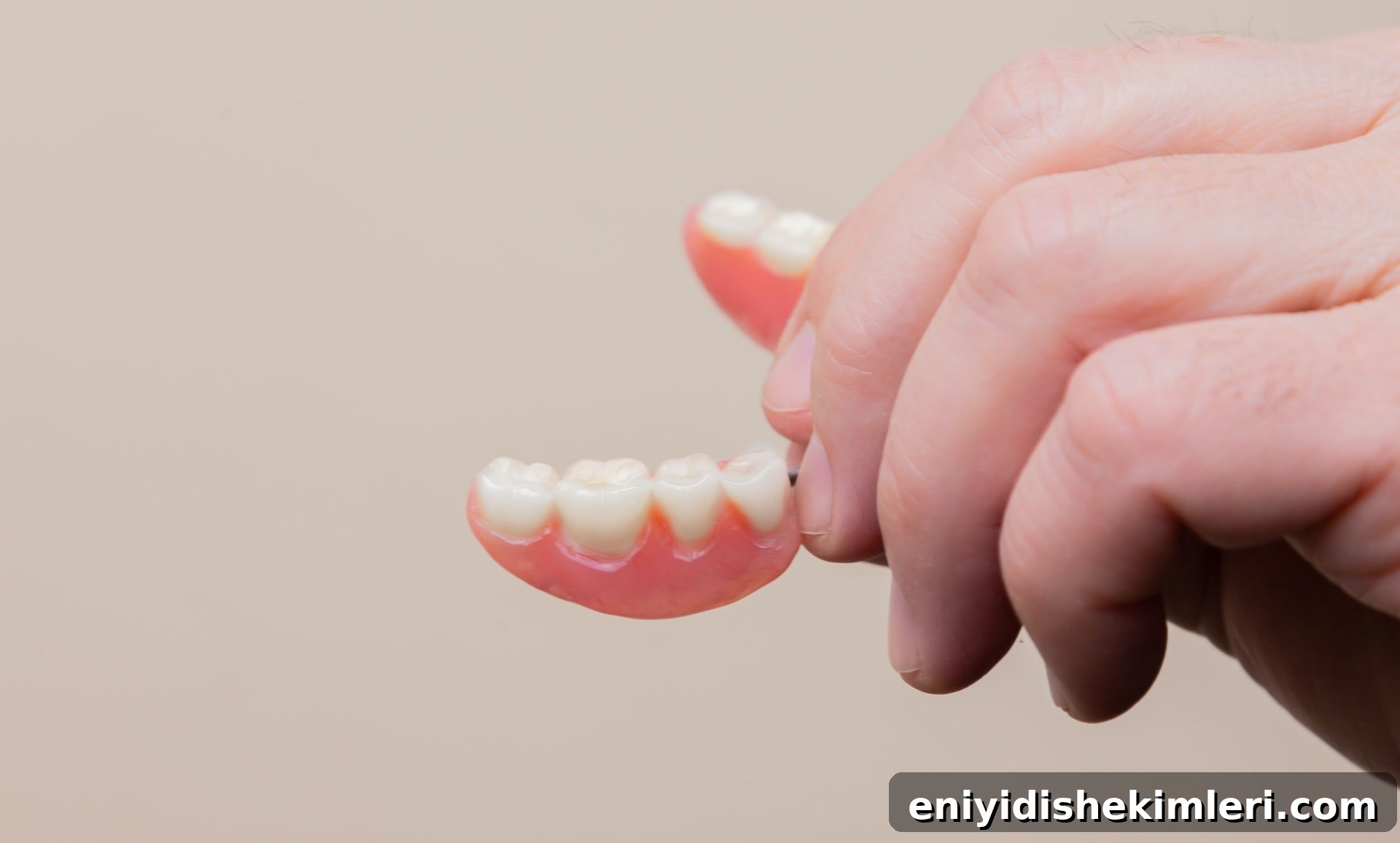
For individuals who have suffered extensive tooth loss in one or both arches, full-arch dental implants offer a powerful way to restore function, appearance, and confidence. Two widely used approaches are the All-on-4 technique and traditional implant-supported dentures. Each has distinct advantages and considerations, and understanding these differences helps patients choose the best option for their needs.
At MDIS Livingston, our dental team provides personalized evaluations and clear guidance to help patients navigate full-arch implant options. Below we outline the key features, benefits, and factors to consider when comparing All-on-4 implants and traditional implant-supported dentures.
All-on-4 Dental Implants: An Overview
The All-on-4 method was developed to restore an entire arch using just four implants placed at strategic angles to maximize existing jawbone and often avoid the need for bone grafting. Typically, two implants are placed in the anterior jaw and two in the posterior, tilted to make the most of available bone.
Key benefits of All-on-4 include:
- Faster treatment and shorter recovery time compared with multi-implant protocols.
- Reduced need for bone grafting due to angled posterior implants.
- Less invasive surgical procedures in many cases.
- Improved stability and chewing function compared with conventional dentures.
Traditional Implant-Supported Dentures: An Overview
Traditional implant-supported dentures—also called implant-retained overdentures—typically use five to eight implants per arch to support a removable or fixed prosthesis. These implants may be connected with bars or use locator attachments to secure the denture, providing a stable and comfortable fit.
Key benefits of traditional implant-supported dentures include:
- Highly customizable treatment planning based on individual anatomy and preferences.
- Enhanced denture stability and improved chewing performance.
- Preservation of jawbone and facial structure when implants are used to transmit forces to the bone.
- Increased comfort and patient satisfaction when compared with conventional removable dentures.
Determining Suitability: Factors to Consider
A comprehensive evaluation by a qualified dental professional is essential to determine which full-arch solution is right for you. Important factors include:
- Bone quality and density: Adequate jawbone can support either approach, but All-on-4 is often preferred when there is moderate bone loss because it frequently avoids grafting by using angled implants.
- Oral health and remaining teeth: The condition of the gums, any remaining teeth, and overall oral health influence treatment planning and timing.
- Budget and treatment timeline: All-on-4 can be more cost-effective and faster because it uses fewer implants and often allows for same-day provisional restorations. Traditional implant-supported dentures usually require more implants and a longer healing period, which can increase cost and duration.
Comparing Benefits and Limitations
When weighing All-on-4 versus traditional implant-supported dentures, consider these practical differences:
- Treatment timeline: Many All-on-4 cases can be completed much faster, sometimes with provisional teeth placed the same day. Traditional protocols often involve multiple stages and several months of healing and fabrication.
- Number of implants: All-on-4 uses four implants per arch; traditional solutions commonly use five to eight. The implant count affects invasiveness, cost, and possible maintenance needs.
- Stability and function: Both options vastly improve stability and function compared with conventional dentures. The ideal choice depends on individual anatomy, bone condition, and functional demands.
Choosing the Right Full-Arch Solution
Both All-on-4 and traditional implant-supported dentures are proven methods to restore full arches with long-term success when planned and executed properly. The best option depends on each patient’s anatomy, health, priorities, and budget. A thorough consultation and diagnostic workup—including clinical examination and imaging—will identify the most appropriate treatment path.
If you are considering full-arch dental implants and want a reliable, individualized plan, Modern Dental Implant Solutions in Livingston offers experienced clinicians and patient-centered care. Schedule a consultation to discuss your goals, review your diagnostic findings, and learn which full-arch implant solution can best restore your smile and function.