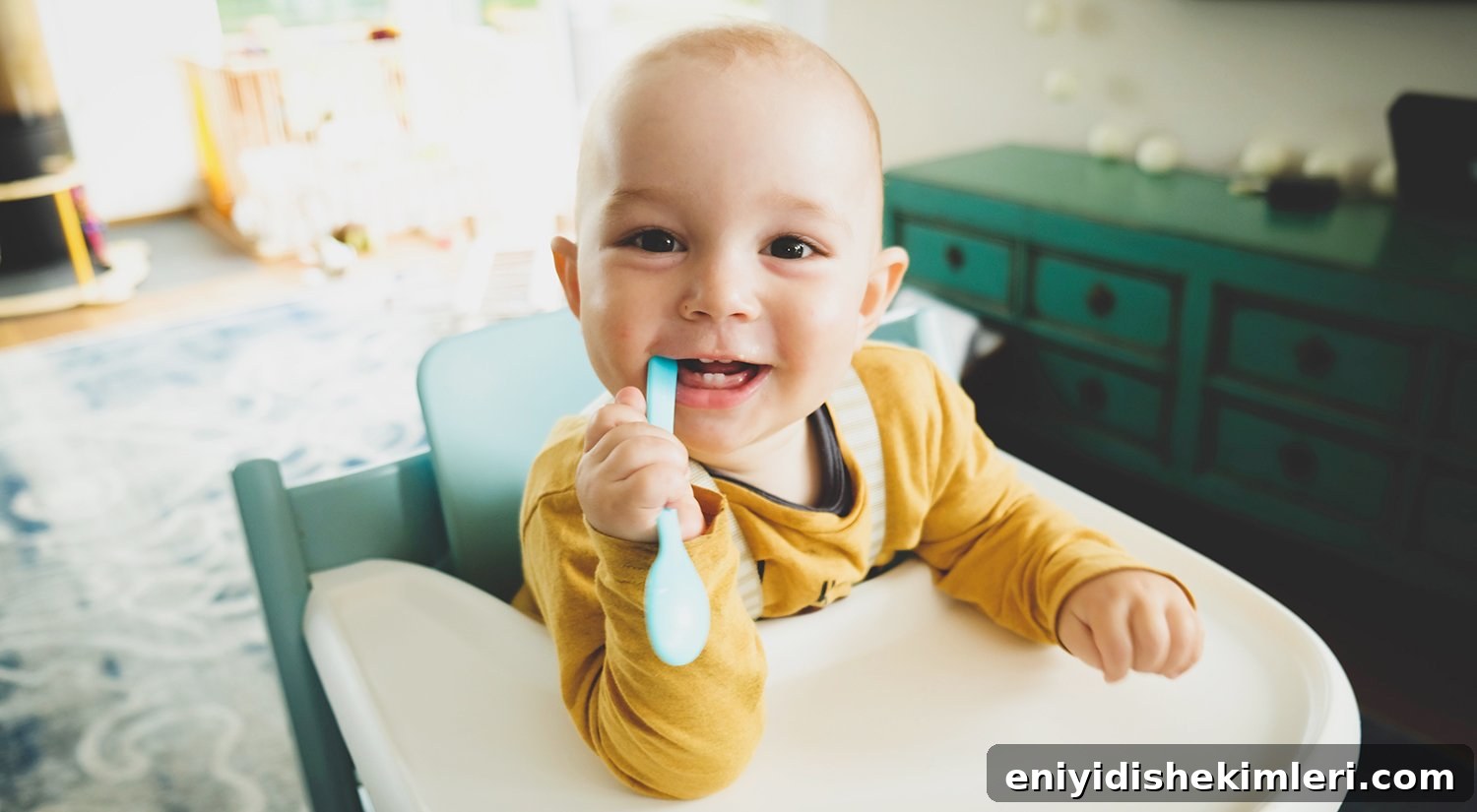
Caring for your child is a big responsibility, and their teeth deserve attention from the very start. From the discomfort of teething to the excitement of losing baby teeth, primary teeth play an important role in early childhood development.
This article explains how to care for baby teeth, what to expect as they erupt and fall out, safe teething remedies, and when to see a dentist.
This site participates in affiliate programs. If you purchase a recommended product through a link, a small commission may be earned at no extra cost to you. Recommendations are based on research and clinical experience and are intended to help improve your child’s oral health.
Baby Teeth: Purpose and Function
Even though baby teeth are temporary, they are vital. Primary teeth help children chew, speak clearly, and smile with confidence. They also serve as placeholders for the permanent teeth and support proper development of the mouth and jaws. Protecting baby teeth helps ensure healthy oral growth and preserves space for adult teeth.
When Do Baby Teeth Erupt?
Although gums may look smooth, a full set of primary teeth forms under the gums and erupts over time. Timing varies widely depending on genetics and other factors, so each child follows their own schedule.
Common signs of teething include:
- Increased drooling
- Sleep disruption
- Refusing food
- General fussiness
- Putting hands in the mouth
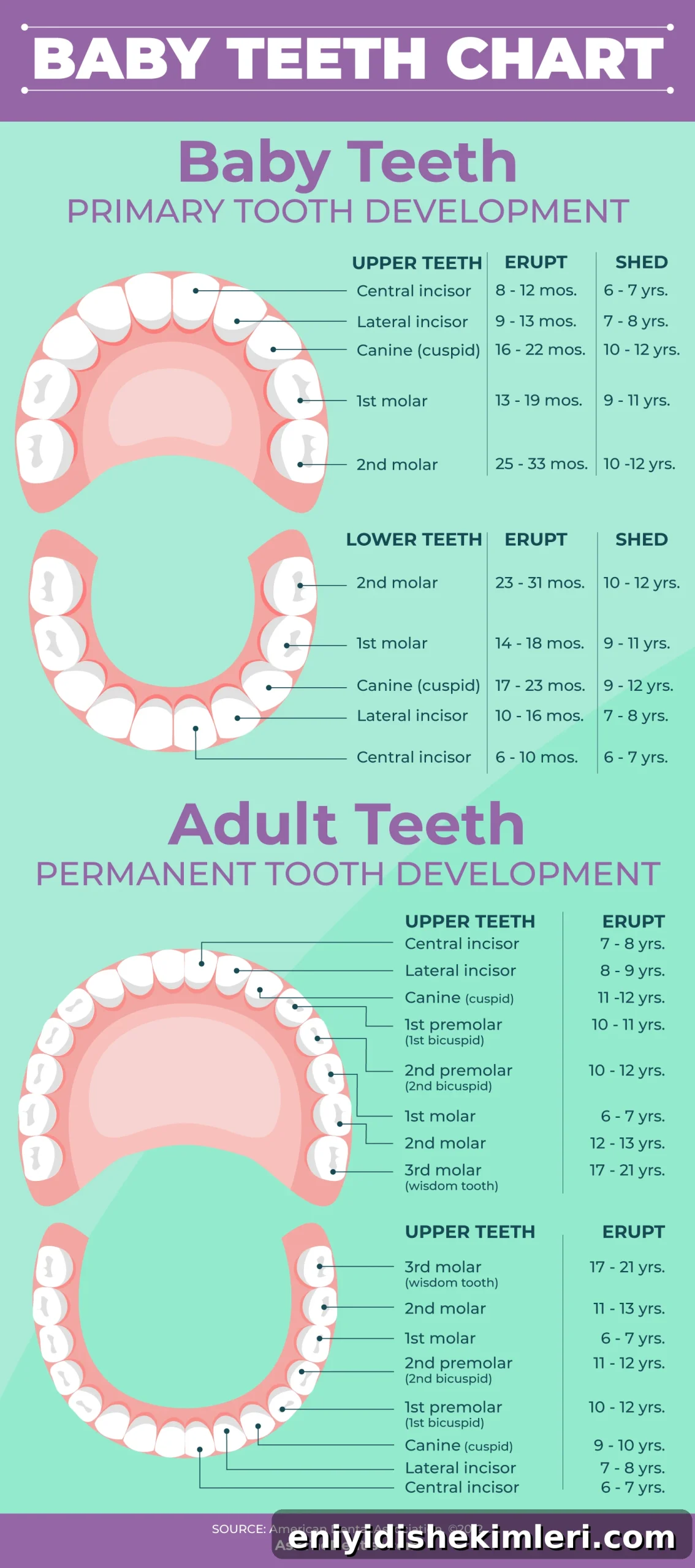
Lower central incisors (the bottom front teeth) often appear first, typically between four and seven months. Upper central incisors and lateral incisors usually follow. First molars tend to emerge between the first birthday and 19 months and may cause more discomfort. Canines typically appear around 17–23 months, and second molars around 25–33 months, completing the primary dentition.
It’s normal for eruption order to vary; some babies get upper teeth before lower ones.
Permanent and Primary Tooth Timelines
Professional organizations provide average eruption charts for both primary and permanent teeth, which are useful as general guides. Individual variation is common, so use charts as approximate benchmarks rather than strict rules.
Teething Remedies — What Helps and What to Avoid
Many gentle, effective remedies can ease teething discomfort. At the same time, some popular products can be harmful and should be avoided.
Safe, helpful options:
- Gum massage: Gently rubbing a clean finger over the baby’s gums often brings immediate relief.
- Chamomile: A cooled chamomile tea cloth or frozen chamomile popsicle can soothe tender gums.
- Cooling popsicles: Homemade frozen treats made from safe ingredients (for example, mild herbal tea) can reduce soreness. Use recipes and ingredients suitable for your child’s age.
- Teething mitts: Soft teething mitts or gloves keep fingers away from the mouth while providing a textured surface to chew on.
What to avoid:
- Benzocaine or topical numbing gels: These products can pose serious health risks in infants and are not recommended.
- Homeopathic or belladonna-containing tablets: Some products have been recalled for safety issues; avoid unverified homeopathic teething tablets.
- Liquid-filled teething rings: These can break and become contaminated; choose solid, non-toxic alternatives.
Caring for Baby Teeth at Home
You are your child’s first oral-health teacher. Establishing gentle, consistent care from infancy builds good habits and protects developing teeth.
Recommended practices:
- Use an age-appropriate toothbrush and a tiny smear of toothpaste: For infants and toddlers, a rice-grain-sized amount of fluoride-free or pediatric-formulated toothpaste is often recommended by parents seeking non-toxic options; follow your pediatrician or dentist’s guidance for fluoride use based on local water and cavity risk.
- Brush any erupted teeth after meals: While some authorities recommend once daily, brushing after meals helps reduce plaque and food residue.
- Brush gently: Use soft bristles and gentle circular motions at a 45-degree angle to the gums to clean teeth and protect gum tissue.
- Breastfeed when possible: Breastfeeding can support oral development, though it’s not the only path to good oral health.
What not to do:
- Don’t do everything for them forever: Teach children to participate in brushing as soon as they are able, supervising and guiding until they can do a good job themselves.
- Don’t force brushing: Make brushing a positive, playful routine to avoid resistance.
- Don’t scare children with dental visits: Present the dentist as a helpful, friendly professional to build trust and reduce fear.
- Don’t allow prolonged bottle use at bedtime: Falling asleep with a bottle or sugary liquid can increase the risk of early tooth decay.
Caring for Baby Teeth at the Dentist
Dental visits should begin early. A first dental checkup is typically recommended by the time a child’s first tooth appears or by their first birthday. Early visits familiarize children with the dental office, allow the dentist to monitor growth and bite development, and provide guidance for home care.
Visit the dentist around six months or by the child’s first birthday to establish preventive care and catch issues early.
At the initial visit, the dentist will examine the mouth, check eruption patterns, assess tissues and bite, and provide cleaning or polishing if needed. X-rays are taken only when clinically indicated. Early monitoring can also identify developmental issues that benefit from early guidance to avoid more complex treatment later.
When Do Baby Teeth Fall Out?
Baby teeth are shed as their roots resorb and adult teeth push through. It’s common to see a permanent tooth start to erupt while the baby tooth is still in place. If both rows are present and interfere with alignment, consult your dentist; sometimes extractions are needed if baby teeth don’t loosen on their own.
Typical sequence for shedding:
- Incisors: usually lost between ages 6 and 8
- Canines: typically between ages 9 and 12
- First and second molars: generally between ages 9 and 12
Oral Care After Losing Teeth
When a baby tooth falls out, follow simple steps to keep the area healthy:
- Rinse gently with warm salt water if there is bleeding.
- Continue regular brushing and flossing, but avoid aggressive brushing near the empty socket to prevent irritation.
- Maintain routine dental hygiene so incoming permanent teeth stay healthy.
If a primary tooth is lost unusually early or the eruption of permanent teeth seems delayed or misaligned, contact your dentist for advice.
Tooth Fairy Traditions
Tooth-losing traditions can be a fun part of childhood. The classic idea of placing a tooth under the pillow is common, but variations include leaving a tooth in a special dish, writing a tiny receipt for the tooth, tossing a tooth on the roof (a tradition in some cultures), or leaving a little “evidence” like a sprinkling of glitter on a windowsill. Choose a gentle tradition that creates positive memories.
Key Takeaways
Baby teeth play important roles in chewing, speaking, and guiding the development of permanent teeth. Eruption and shedding timelines vary, so use charts as general guides. Start dental visits early, practice gentle daily care at home, choose safe teething remedies, and avoid products that carry health risks. With consistent home care and timely dental visits, you’ll help set the foundation for a lifetime of healthy smiles.
References
- Journal of the American Dental Association. Tooth eruption: The primary teeth. Journal of the American Dental Association (1939), 136(11), 1619.
- Ntani G., et al. Maternal and early life factors of tooth emergence patterns and number of teeth at 1 and 2 years of age. Journal of Developmental Origins of Health and Disease, 2015.
- Memarpour M., et al. Signs and symptoms associated with primary tooth eruption: a clinical trial of nonpharmacological remedies. BMC Oral Health, 2015.
- Pirali-Kheirabadi K., Razzaghi-Abyaneh M. Biological activities of chamomile. Journal of Zhejiang University SCIENCE B, 2007.
- Nagpal M., Sood S. Role of curcumin in systemic and oral health. Journal of Natural Science, Biology, and Medicine, 2013.
- American Academy of Pediatrics. A pediatric guide to children’s oral health.
- U.S. Food and Drug Administration. Safety information on benzocaine and teething products.
- Bashash M., et al. Prenatal fluoride exposure and cognitive outcomes. Environmental Health Perspectives, 2017.
- Palmer B. The influence of breastfeeding on the development of the oral cavity. Journal of Human Lactation, 1998.