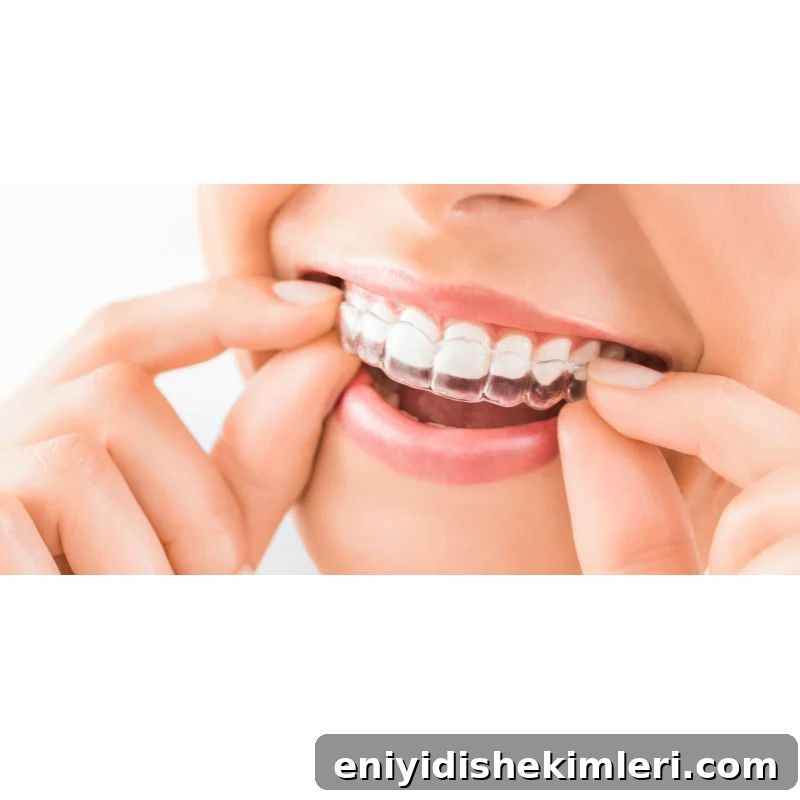
In 2017 I spent $6,000 and two years straightening my teeth with Invisalign. My primary concern was gaps between my top front teeth, but I also had a significant overbite. Invisalign promised to address both spacing and bite issues, so I chose it as my treatment.
Below is a practical “know before you go” guide and overview of what to expect from Invisalign and similar orthodontic treatments.
Invisalign is a teeth-straightening system that relies on clear, removable aligners rather than traditional metal braces. It’s marketed for being discreet, and while it isn’t completely invisible, it offers a less conspicuous option for aligning teeth. The system moves teeth incrementally through a series of transparent trays and can be a more aesthetic alternative to conventional braces in many cases.
Reflecting on my experience, there are several things I wish I had known in advance. Although I used Invisalign, most of these lessons apply to any orthodontic approach.
1. Make sure orthodontics will address the problem you want to fix
While my gaps bothered me, the feature that made me most self-conscious was how much gum tissue showed when I smiled. I have relatively small teeth and a broad smile that revealed a large gumline above my upper teeth. My orthodontist was clear that Invisalign could slightly improve my bite, but it wouldn’t correct a gummy smile. For that, he recommended a gingivectomy (laser removal of excess gum tissue) to show more tooth surface.
After completing Invisalign, my overbite improved by a few millimeters, but the gummy appearance remained. Years later I had the gingivectomy, which turned out to be far less expensive—more than ten times cheaper—than the Invisalign treatment and required only a couple of hours instead of two years in aligners. Knowing which procedure would actually address my main concern would have helped me plan better from the start.
2. Check your insurance terms carefully
If your employer provides dental insurance, verify whether orthodontic treatment is covered and whether there’s a lifetime maximum for orthodontics. My employer offered two dental plans; the higher-cost tier covered significantly more orthodontic expenses. I upgraded my plan because it made financial sense after calculating projected coverage.
However, I overlooked an important detail in the fine print: I needed to maintain the upgraded premium level for the entire duration of the treatment to receive the increased benefit. I paid the higher premium for only one year, but my insurance didn’t process claims until treatment completion. As a result, I ended up paying more in premiums without getting the additional coverage for the whole course of treatment. Read all policy details and timing requirements before making insurance changes tied to long-term care.
3. Treatment length estimates can be optimistic
A major selling point for Invisalign is the relatively short treatment window often advertised—typically 12 to 16 months. I received similar estimates from several orthodontists, but in my case the timeline proved inaccurate. Teeth often move at unpredictable rates, and automated treatment plans and simulated “post-treatment” images may not reflect your actual progress.
My teeth moved more slowly than expected. Midway through treatment, my orthodontist submitted updated scans to Invisalign and requested a “refinement” plan to better predict timing and outcomes. Even after the extension, while gaps closed and my bite improved, my overbite remained. I reached a point where I accepted a less-than-perfect final result because I was tired of ongoing treatment and uncertain how much longer improvement might take. If possible, discuss contingency plans and realistic ranges of outcomes with your provider before committing.
4. You may need to wear your retainer indefinitely
Years after finishing treatment, I still wear my retainer every night. For someone who sometimes forgets routine tasks like flossing, adding nightly retainer wear was a significant commitment. If I skip a few nights, I can notice a gap between my front teeth within days.
Teeth naturally tend to return toward their original positions, so long-term or even lifelong retainer use is common. For me, the retainer also helps protect against nighttime teeth grinding, so it serves a dual purpose. It’s important to accept that maintenance after active orthodontic treatment is often ongoing.
Despite the challenges, I’m happy with my smile now.