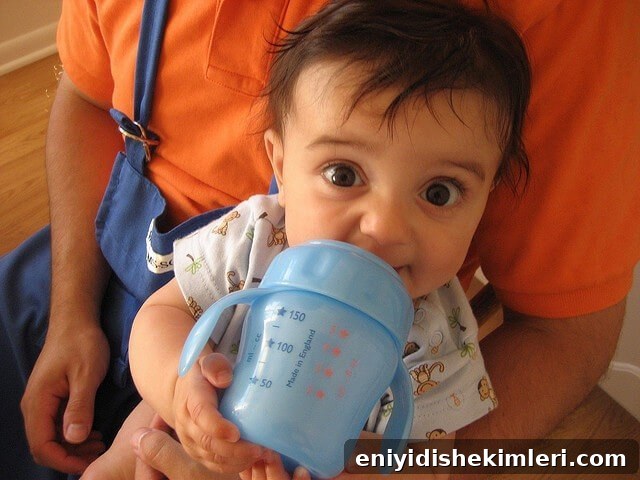
I see it far too often: a parent brings a toddler in for their first dental visit only to learn the child already has several cavities.
Baby teeth falling out later doesn’t make cavities in primary teeth harmless. Cavities in baby teeth can affect the development of the permanent teeth and influence the size and shape of the oral cavity as the child grows.
Many toddlers who rely on sippy cups grow into teenagers with speech difficulties or complex orthodontic needs — sometimes requiring more extensive treatment than typical braces or aligners.
While sippy cups reduce spills and seem like a convenient solution for toddlers learning to drink, the long-term consequences often outweigh that convenience.
Why I don’t recommend sippy cups to parents:
Sippy cups can hinder normal mouth development. Drinking from a sippy cup is not the same as breastfeeding. The motor activity involved in suckling at the breast encourages proper development of the jaw, palate, teeth, and other oral structures. A soft, deformable nipple changes shape as a child sucks and helps guide appropriate tongue function and oral muscle development.
By contrast, a rigid plastic spout does not deform the same way and can interfere with normal growth of the oral cavity. Over time this can contribute to problems with speech, airway function, sleep quality, facial growth, and overall dental alignment.
Sippy cups increase the risk of tooth decay. Prolonged sipping from a cup that contains milk, fruit juice, or any sugary beverage leaves sugars and acids on the teeth. These residues erode enamel and raise the likelihood of cavities. Ideally, beverages other than water — such as milk, juice, or soda — should be consumed only during limited periods like mealtime. Encourage rinsing with water after a sugary drink and wait about 30 minutes before brushing to protect enamel.
Better yet, make water the default drink. If you want to encourage a child’s preference for water, try offering water with a neutral or slightly higher pH for a preferable taste. Instead of giving apple juice, give the child an apple to eat.
Sippy cups can encourage unhealthy habits linked to obesity. Sippy cups often become comfort items that children keep nearby throughout the day, which fosters constant access to sugary drinks. This early habit of continuous sipping can carry into adulthood, where people may keep a sweetened beverage nearby while working or during stressful moments — the adult equivalent of a sippy cup.
Recommendations for parents
Breastfeed as long as possible when feasible. Breastfeeding supports oral development and is one of the best preventive measures against some of the issues discussed here.
Eliminate the sippy cup. After breastfeeding, avoid introducing a sippy cup. Use cups made of BPA-free plastic, stainless steel, hard resin, or silicone with a rounded lip. Fill the cup only partway to reduce spills and help the child learn control.
Best for Little Mouths
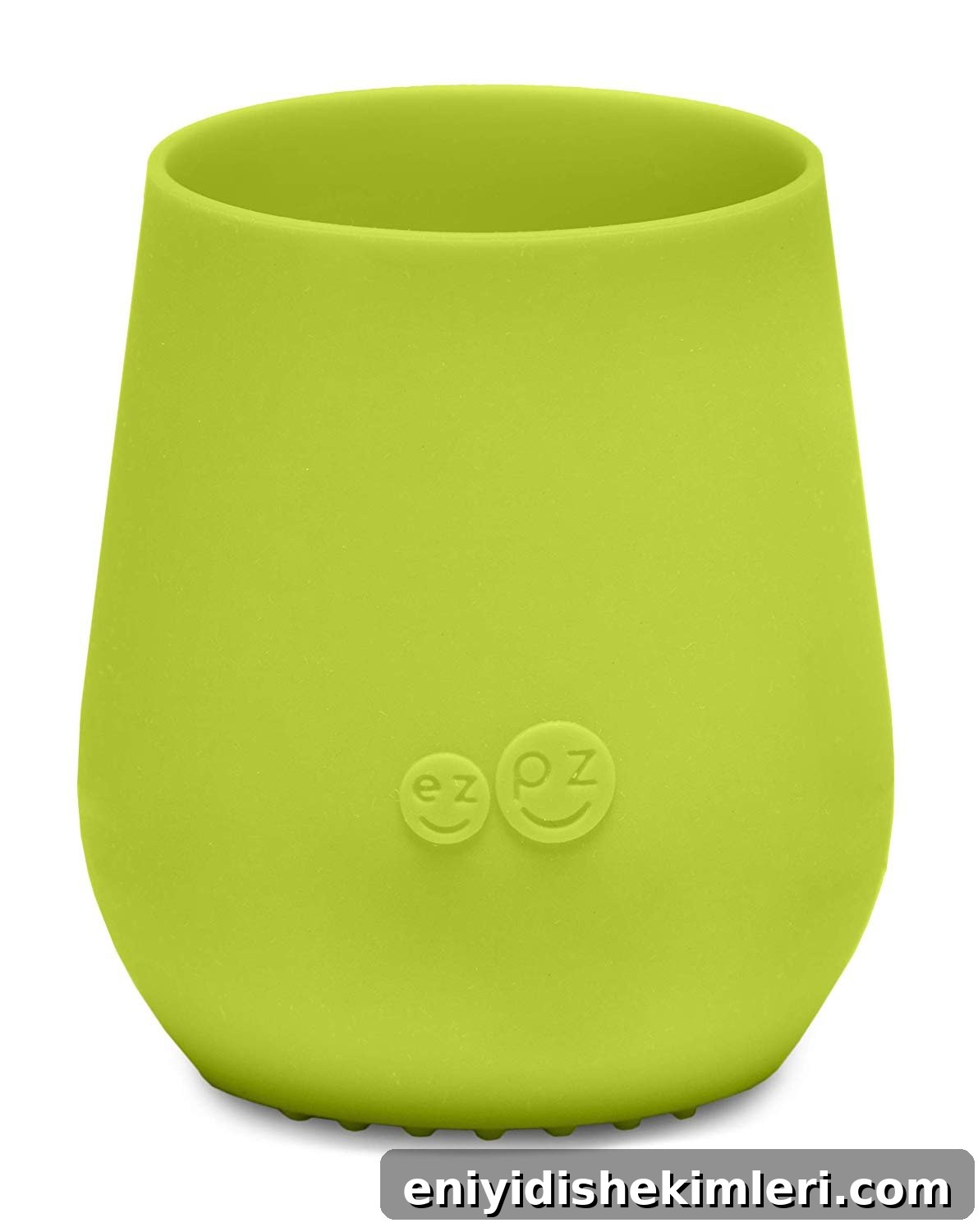
ezpz Tiny Cup
Buy Now
Straws are generally less problematic than sippy cups, but it’s best to alternate between straw use and open-mouth drinking when possible. For situations where spills are a concern, like dining out, a straw can be a practical option.
Make water the default beverage. Fruit juices are concentrated in sugar and limited in nutritional value. Encourage eating whole fruits instead of drinking juice and help children learn to enjoy plain water.
Allow some reasonable mess while learning. Temporarily roll up rugs or protect surfaces and let your child practice drinking from a BPA-free hard-resin cup. Spills are part of the learning process, and many children adapt quickly — often within days.
Remove the cup after drinking. Meals should stay focused on eating. Avoid using drinks to soothe a distressed child or as a substitute for a meal. Constant availability of sugary drinks and snacks promotes unhealthy snacking patterns and emotional reliance on food and beverages for comfort.
Encourage two-handed drinking. Transitioning to slightly larger cups that require two hands helps children build the motor skills needed to handle adult-sized cups later on.
Limit sugary beverages to mealtimes. If your child has milk or juice, offer these during meals when saliva flow is higher and helps neutralize acids. Diluting juice with water can further reduce sugar exposure.
The impact of feeding habits on oral development is clear from clinical experience. I once examined a 4- or 5-year-old boy from Eritrea who had recently arrived in the United States. He had never seen a pacifier or sippy cup. His oral exam revealed wide dental arches, a vaulted palate, well-aligned teeth, an open airway, normal swallow reflex, and no cavities. His oral development was exceptional — a striking contrast to what I often observe in Western children raised with prolonged bottle or sippy cup use.
When he finished the exam, he simply ran to his mother’s lap and breastfed, an act she treated as ordinary. That normal early feeding pattern had contributed to a well-developed oral cavity and a strong foundation for long-term oral health.
Dr. Mark Burhenne DDS
Learn More:Mouth Breathing: What Every Parent Needs to Know