
Every night, after my wife and I say goodnight, I reach into the bedside drawer for a roll of mouth tape. With relaxed lips I keep them closed and place a strip over them before I turn off the lights.
Sound strange?
At first I thought so too, but the health benefits of nose breathing are clear.
Using mouth tape encourages nasal breathing instead of mouth breathing. It’s a simple, low-risk way to improve sleep quality and support oral and dental health.
One day during an appointment I noticed a patient, Eliza, breathing through her mouth. I suggested she try mouth tape. When she tried it that night, she immediately discovered she couldn’t comfortably keep the tape on—an indication she’d grown accustomed to mouth breathing. Over time she trained herself to breathe through her nose.
Years later, Eliza reports major improvements: better focus, clearer memory, reduced anxiety, and—remarkably—no cavities since making the change.
If you breathe through your mouth while sleeping, this is important. Mouth breathing reduces sleep quality, disturbs the oral microbiome, and increases the risk of tooth decay.
I consider mouth breathing a major contributor to cavities—arguably ahead of poor diet or inadequate dental hygiene.
Mouth tape is a practical tool everyone should consider keeping on a nightstand or in a medicine cabinet. Below I’ll explain what mouth tape is, how it works to improve health, and how to begin using it safely.
What is Mouth Tape?
Before describing mouth tape, it’s important to clarify what it isn’t.
Mouth tape is not duct tape or heavy-duty adhesive you slap on your lips.
Proper mouth taping is minimally invasive, painless, and safe. Specialized products—made specifically for mouth taping—are hypoallergenic and designed to be removed easily by opening the mouth. They adhere gently to the lips and are shaped to sit comfortably.
Some brands produce soft, gel-like strips with a small vent so you can still breathe if your nose becomes congested during the night. Others use gentle surgical tape, which can work just as well when applied carefully. The goal is the same: keep the mouth closed during sleep so nasal breathing is maintained.
If you are a habitual mouth breather, the first night of mouth taping may feel uncomfortable or may not remain in place. The most effective approach is persistence: practice nasal breathing during the day and try brief periods of taping until nasal breathing becomes natural.
Becoming a nasal breather takes time, but even repeated short practice sessions can train your body to breathe through the nose regularly.
Taping my mouth sounds scary—what can I do first?
If you’re not ready to tape while sleeping, start during the day. After brushing your teeth in the morning, try wearing mouth tape while getting ready or driving to work. Short daytime practice sessions help you learn how it feels to breathe through your nose and can reduce anxiety about nighttime taping.
If it’s very difficult or impossible for you to breathe through your nose, consider a sleep evaluation. A full sleep study or a home sleep test can reveal snoring, sleep apnea, or other breathing disorders. A sleep specialist can help determine the underlying cause and recommend appropriate treatment.
If taping stops you from breathing altogether, that’s a sign something is wrong and requires medical attention.
Except during illness or when there is nasal obstruction, you should be able to breathe primarily through your nose. If a structural issue is blocking airflow, medical intervention may be needed.
What’s So Bad About Mouth Breathing?
The body is designed with specific roles: the mouth is meant for eating and speaking; the nose for breathing and smelling. When we consistently use the mouth to breathe, the system operates outside its intended function and problems can develop.
Mouth breathing forces larger volumes of air through the airway than nasal breathing. This can contribute to airway collapse and disordered breathing patterns.
In children, chronic mouth breathing can affect facial growth, dental alignment, and sleep, which in turn impairs daytime functioning and learning. Adults who mouth breathe are more prone to snoring, sleep disruption, dry mouth, and may be at higher risk of sleep apnea.
Mouth breathing can also affect blood pressure and heart rate, worsen asthma, and reduce optimal oxygen delivery to the heart, brain, and other organs.
Benefits of Mouth Tape
Training the body to breathe through the nose brings a range of benefits. Here are several key advantages people commonly experience when using mouth tape and adopting nasal breathing:
1. Increased nitric oxide production
The sinuses produce nitric oxide, a gas that plays an important role in vascular health, immune response, sleep quality, and more. Nasal breathing contributes significantly to the body’s nitric oxide levels; mouth breathing reduces this natural source.
Higher nitric oxide supports memory and learning, helps regulate blood pressure and inflammation, improves sleep, can increase endurance, supports immune and gut function, and may reduce anxiety and depression symptoms.
2. Reduced risk of teeth grinding
People with disordered breathing during sleep—often associated with mouth breathing—can develop bruxism (teeth grinding). Grinding stresses and damages teeth, accelerates wear, and can lead to sensitivity and gum recession. Addressing breathing patterns can reduce grinding and its dental consequences.
3. Lower risk of dry mouth
Dry mouth often goes unnoticed until you wake with a dry, sticky feeling or notice thick saliva during the day. Saliva plays a vital role in maintaining a healthy oral microbiome, buffering acids, and supporting tooth remineralization. Chronic mouth breathing dries the mouth, lowers oral pH, and creates an environment where cavity-causing bacteria thrive.
4. Helpful diagnostic information
Mouth tape is not only therapeutic but also diagnostic. If you can’t keep the tape on at night, this may reveal nasal obstruction or another breathing issue that requires evaluation by an ENT, allergist, or sleep medicine specialist. Treating the underlying cause often restores effortless nasal breathing.
For some people, difficulty maintaining mouth tape may indicate sleep-disordered breathing such as obstructive sleep apnea or upper airway resistance syndrome—conditions that are important to diagnose and treat.
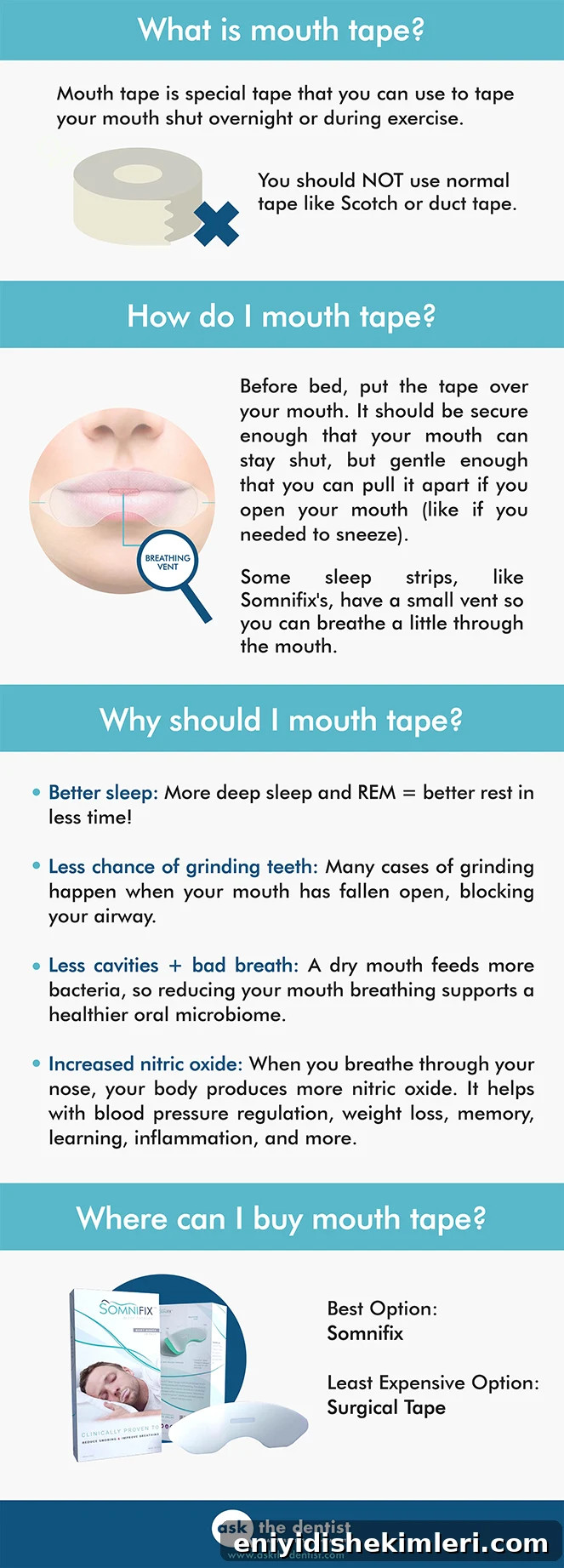
How to Mouth Tape for Better Sleep
Mouth taping is straightforward: apply a gentle strip to close the lips before bed. The tape encourages nasal breathing even during deep sleep. If the strip comes off while you sleep, it can indicate an underlying breathing problem that deserves attention.
Another practical benefit: improved breathing during sleep can reduce nighttime bathroom trips, since uninterrupted breathing supports normal hormonal regulation that suppresses the urge to urinate overnight.
Mouth taping can also reduce mouth snoring, though it won’t fix snoring that originates from nasal passages. To test whether you snore through the mouth, place a hand over your mouth—if the snoring stops, it was likely oral in origin.
Practical tips:
- Use strips designed for the lips, which accommodate facial hair and remove cleanly.
- Pucker slightly, then apply the strip so the lips sit comfortably and naturally.
- After applying, try opening your mouth gently. If opening requires excessive force, adjust the placement for a better fit.
- If you remove the tape during the night, use that information to consult a provider about possible causes—common issues include nasal congestion, allergies, or a deviated septum.
Getting comfortable with mouth taping typically takes a few weeks. There are no general contraindications for gentle mouth tape, and many adults, pregnant people, and older children can use it safely—though I don’t recommend it for very young children or infants.
Where to Buy Mouth Tape?
Mouth taping products are increasingly available online. Options range from purpose-designed strips to budget-friendly surgical tape. Specialized strips are shaped for lip placement and remove without leaving residue, while medical micropore tape is a simpler and often less expensive alternative available at pharmacies.
My Pick

Sleep Strips by SomniFix
These strips are made with a specially engineered adhesive that allows easy application and removal without residue.
My Favorite: Budget Pick
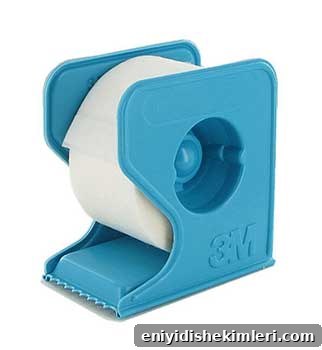
3M Micropore Tape
I’ve used both specialized strips and surgical tape; neither irritated my skin when applied correctly. Surgical tape is convenient and widely available if you prefer not to order online.
How Long Should You Mouth Tape?
Even as someone who normally breathes through the nose, I still use mouth tape every night. Some people use it only until they consistently wake with a closed mouth, but there’s no harm in continuing—and there may be ongoing benefits.
If you use a CPAP or other oral appliance, mouth taping can help prevent dry mouth and improve treatment comfort, so many users keep taping long-term.
What if Mouth Tape Doesn’t Work for Me?
If your tape is separated when you wake, it means you slept with your mouth open. Occasional failures are common, but persistent separation over weeks suggests you cannot breathe adequately through your nose. In that case, consult an ENT, myofunctional therapist, or dentist to identify and address the cause.
There’s usually no reason proper mouth taping wouldn’t work unless topical creams interfere with adhesion or there is a real nasal obstruction preventing nasal breathing.
Final Thoughts
I believe mouth breathing contributes significantly to dental decay and gum disease. For many people, mouth taping at night is a safe, effective habit that supports nasal breathing, increases nitric oxide production, and improves sleep quality and oral health.
Choose a gentle tape that keeps your mouth closed comfortably. If you still wake with your mouth open after several weeks, review your nighttime routine and consider medical evaluation. Complementing mouth taping with careful oral hygiene—such as tongue scraping before bed and using remineralizing toothpaste—can further support a healthy oral microbiome.
I hope this encourages you to try nasal breathing practices that can benefit you and your family for years to come. Tape up!
Want to learn more? Check out my #1 Amazon bestselling book, The 8-Hour Sleep Paradox.
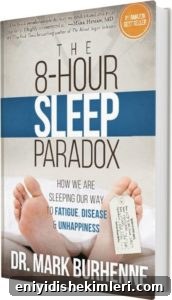 This book explains how to improve sleep quality and regain energy, focus, and overall wellbeing.
The program outlines steps to help you:
- Regulate appetite and support healthy weight
- Slow aspects of the aging process
- Wake up refreshed
- Improve energy, concentration, and mental clarity
- Eliminate daytime sleepiness and brain fog
For Further Reading:
- Close Your Mouth: Buteyko Clinic Handbook for Perfect Health
- Attention All Mouth Breathers – 5 Important Reasons Why You Must Breathe Through Your Nose
References
- Basheer, B., Hegde, K. S., Bhat, S. S., Umar, D., & Baroudi, K. (2014). Influence of mouth breathing on the dentofacial growth of children: a cephalometric study. Journal of International Oral Health, 6(6), 50.
- Benninger, M., & Walner, D. (2007). Obstructive sleep-disordered breathing in children. Clinical Cornerstone, 9, S6-12.
- O’Brien, L. M., et al. (2004). Neurobehavioral correlates of sleep-disordered breathing in children. Journal of Sleep Research, 13(2), 165-172.
- Huang, Y. S., et al. (2004). Sleep disorders in Taiwanese children with ADHD. Journal of Sleep Research, 13(3), 269-277.
- Jefferson, Y. (2010). Mouth breathing: adverse effects on facial growth, health, academics, and behavior. Gen Dent, 58(1), 18-25.
- Guilleminault, C., et al. (2004). Abnormal blood pressure in prepubertal children with sleep-disordered breathing. Pediatric Research, 55(1), 76.
- Bresolin, D., et al. (1984). Facial characteristics of children who breathe through the mouth. Pediatrics, 73(5), 622-625.
- Chaves, T. C., et al. (2010). Craniocervical posture and hyoid bone position in children with asthma and mouth breathing. Int J Pediatr Otorhinolaryngol, 74(9), 1021-1027.
- Settergren, G., et al. (1998). Decreased pulmonary vascular resistance during nasal breathing: modulation by nitric oxide. Acta Physiol Scand, 163(3), 235-239.
- Weitzdoerfer, R., et al. (2004). Neuronal nitric oxide synthase knock-out mice show impaired cognitive performance. Nitric Oxide, 10(3), 130-140.
- Rees, D. D., Palmer, R. M., & Moncada, S. (1989). Role of endothelium-derived nitric oxide in the regulation of blood pressure. PNAS, 86(9), 3375-3378.
- Nussler, A. K., & Billiar, T. R. (1993). Inflammation, immunoregulation, and inducible nitric oxide synthase. Journal of Leukocyte Biology, 54(2), 171-178.
- Noda, A., et al. (2007). CPAP improves daytime baroreflex sensitivity and nitric oxide production in OSA patients. Hypertension Research, 30(8), 669.
- Saunders, C. J., et al. (2006). Genes and endurance performance. Human Molecular Genetics, 15(6), 979-987.
- Morley, J. E., & Flood, J. F. (1992). Nitric oxide synthase antagonism and weight loss in mice. Life Sciences, 51(16), 1285-1289.
- Konturek, S. K., & Konturek, P. C. (1995). Role of nitric oxide in the digestive system. Digestion, 56(1), 1-13.
- Meller, S. T., et al. (1992). Nitric oxide mediates thermal hyperalgesia in a neuropathic pain model. Neuroscience, 50(1), 7-10.
- Kuhlencordt, P. J., et al. (2001). Accelerated atherosclerosis in nitric oxide synthase knockout mice. Circulation, 104(4), 448-454.
- Spiacci Jr, A., et al. (2008). Nitric oxide-mediated anxiolytic and antidepressant-like effects in animal models. Pharmacology Biochemistry and Behavior, 88(3), 247-255.