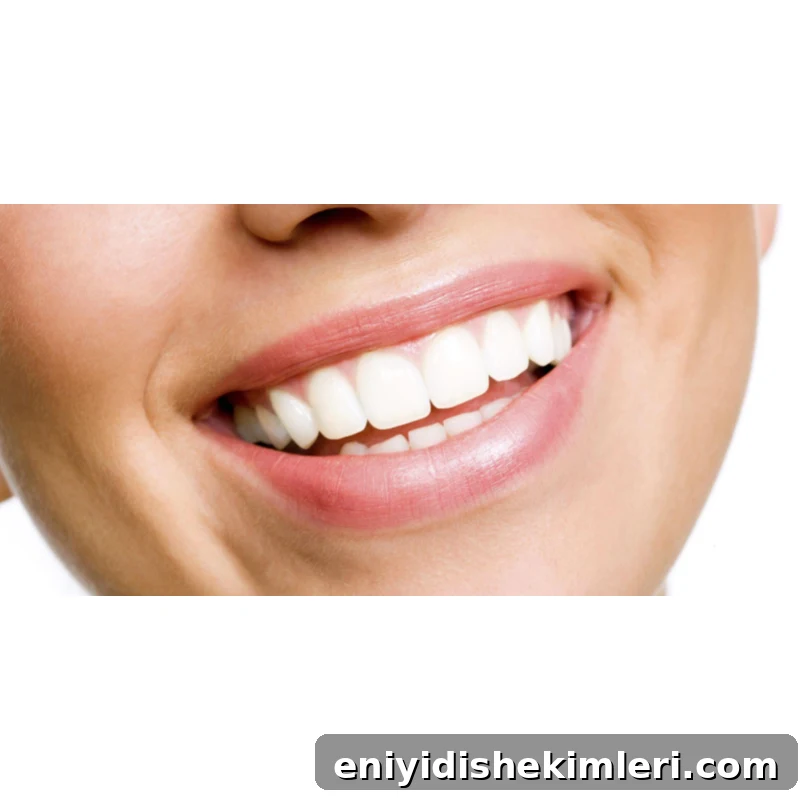
There is no completely risk-free way to whiten teeth, but many people choose to do it to improve their smile. Teeth whitening is a personal decision and something you should raise with your dentist if you want it. Like any cosmetic procedure, it carries benefits and risks, so informed choices matter.
Over time, teeth tend to darken or stain from habits such as drinking coffee or tea, smoking, and certain foods. You don’t have to accept a dull smile though—whitening is a popular cosmetic dentistry option that can brighten your teeth. To get a safe outcome, it’s important to understand the available methods and choose one that fits your needs while minimizing harm.
Can teeth whitening damage your teeth?
Yes—whitening can cause problems if not done carefully. The main concerns are:
1) Excessively strong gels: Most whitening products use an oxidizer, commonly hydrogen peroxide or carbamide peroxide. When concentrations are too high, they increase the risk of irritation, sensitivity, and damage. Stick to well-formulated products and professional guidance.
2) Poor regulation in some markets: Regulations vary by region. For example, the European Union restricts over-the-counter peroxide concentrations to 6% and sets age limits, while other markets allow higher concentrations with fewer controls. That variance means products available online or over the counter may not meet safer standards.
3) Potential enamel changes and demineralization: Studies show whitening agents can alter enamel surface and increase sensitivity when used improperly. Overuse or overly strong applications can also affect the tooth pulp and, in rare severe cases, lead to the need for root canal treatment.
4) Age considerations: Teeth whitening on adolescents carries more risk because the pulp chambers are larger in younger patients. Waiting until at least 18 reduces the likelihood of whitening-related pulp damage because the internal tooth structures are more mature.
Requirements for safer teeth whitening
Below are practical recommendations combining regulatory guidance and clinical experience to reduce risk and improve outcomes:
- Use a gel with neutral pH: Aim for a product with pH around 7–8 to avoid acidic formulations that can erode enamel. Buy from reputable manufacturers rather than unverified sellers.
- Prefer higher water content in gels: Products that dry out the teeth can promote demineralization. A hydrating formula is gentler on enamel.
- Choose peroxide strength close to EU limits: If possible, select gels at or near 6% peroxide. Where unavailable, consider lower-concentration alternatives; around 10% is a more conservative choice than the very high concentrations sometimes sold.
- Wait until age 18: This reduces risk to the pulp and long-term sensitivity. For teenagers who want temporary whitening for a special event, non-peroxide stain removers can help remove surface discoloration without bleaching.
- Value safe additives over marketing claims: Fluoride in topical whitening gels can help stabilize and remineralize enamel after treatment. A well-formulated, neutral-pH gel with fluoride is often preferable to an unregulated, fluoride-free product of unknown quality.
- Use custom trays rather than strips: Custom trays minimize contact between gel and gum tissue. Gum irritation is common when peroxide contacts soft tissues, so precise application is safer than over-the-counter strips that can allow gel to spread onto gums.
Avoid DIY solutions
Home remedies such as baking soda, strawberries, or lemon juice are popular online but can damage enamel and increase sensitivity. They lack consistent safety and effectiveness compared with professionally developed products. Stick to tested, purpose-made whitening options for best results with minimal harm.
Is professional whitening safe?
In-office whitening often uses higher concentrations, for example 35% carbamide peroxide, and delivers faster results. This approach can be appropriate for urgent needs but should be reserved for adults and performed under professional supervision to monitor and protect gums and tooth vitality.
Are at-home blue-light whitening kits safe?
Evidence suggests that the additional benefit from blue light is minimal; some studies found no statistically significant improvement from the light itself. These kits are generally safe in terms of not damaging teeth, but they can be ineffective and may be a poor value. Follow product instructions and temper expectations about their impact.
In summary: read labels carefully, use custom trays when applying peroxide gels, and follow recommended regimens. Slow, controlled whitening—no more than about an hour per day or every other day over a 6–8 week period—reduces the risk of sensitivity and damage while giving you reliable results.
Take a cautious approach, prioritize product quality and neutral pH, and consult your dental professional before starting any whitening program. Good luck!
REFERENCES
The effect of light-activation sources on tooth bleaching – https://www.ncbi.nlm.nih.gov/pmc/articles/PMC4178330/