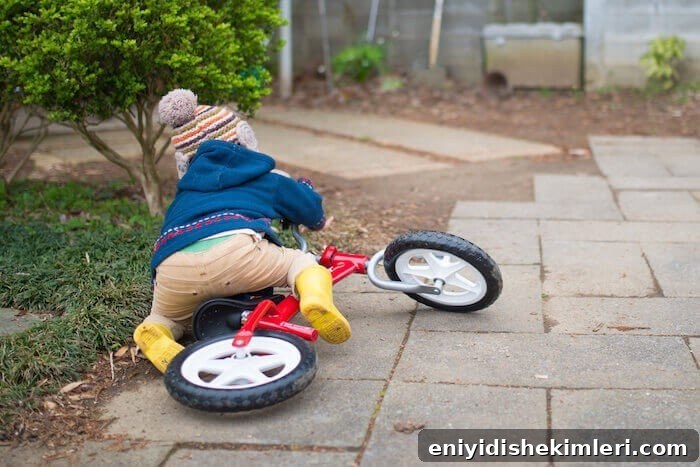
It’s one of the most frightening moments for a parent: your child arrives crying and bleeding after falling off a bike or colliding with another child. Knowing how to respond calmly and correctly can make a difference in whether a knocked-out tooth can be saved.
Many parents remember dramatic childhood stories: my wife’s tale of losing four front teeth on a tricycle still draws nervous laughter at family gatherings. The scene was reportedly so shocking that she ended up consoling her mother. Traumatic for everyone involved, yes—but there are clear steps you can take immediately to improve outcomes.
Common Myths About Knocked-Out Teeth
“Put the tooth in a cup of milk!” Milk is sometimes recommended, but your child’s saliva is actually the best short-term storage medium for a knocked-out tooth. If possible, have your child spit into a clean cup or into your hands and place the tooth in that saliva. A little blood on the saliva is okay. If your child cannot provide saliva and you’re comfortable doing so, your own saliva is an acceptable alternative. Milk ranks second-best if saliva is not available.
Reinserting baby teeth. If the lost tooth is a baby (primary) tooth, do not attempt to reinsert it. Reimplanting a primary tooth can damage the developing permanent tooth beneath it.
Cleaning the tooth. A knocked-out tooth may be dirty, but avoid aggressive cleaning. Do not scrub, and do not use alcohol or peroxide, which can damage cells needed to reattach the tooth. If rinsing is necessary, use saliva or milk and handle the tooth gently by the crown, avoiding the root.
Prevention: Protecting Your Child’s Teeth
Preventing dental trauma is the best strategy. While energetic children will inevitably tumble and collide, these practical precautions can reduce risk:
Be cautious with bouncy houses. Bouncy houses and inflatable play structures are a frequent source of dental injuries in children, often because of head-to-head collisions. You don’t need to ban them, but supervise play, encourage gentle behavior, and consider a mouthguard for children who are particularly active.
Use a mouthguard for sports. A properly fitted mouthguard is one of the most effective protections for your child’s permanent teeth during sports and rough play. Providing one is like applying sunscreen regularly: an investment that helps protect their long-term health.
Teach appropriate uses for teeth. Remind children that teeth are for eating, not for opening packages, bottles, or other objects. Modeling safe habits reduces the chance of chips, fractures, and knocked-out teeth.
First Aid: How to Save a Knocked-Out Tooth
Follow these steps immediately after a tooth is knocked out:
1. Handle the tooth by the crown, not the root. The crown is the chewing surface; the root is the tapered portion that anchors the tooth. Avoid touching the root to protect the delicate cells that help reattachment.
2. For permanent (adult) teeth, try to reinsert the tooth into the socket. If you feel confident doing so, gently place the tooth back in its socket without touching the root. Have your child gently bite down on a clean piece of gauze or a soft cloth to hold it in place. Only attempt reinsertion if you are reasonably certain of the tooth’s orientation.
3. Keep the tooth moist if you cannot reinsert it. Store the tooth in saliva, milk, or a tooth preservation solution if available. Avoid dry storage.
4. Contact your dentist immediately. Call your dentist or the on-call dental professional to let them know you are coming. Timely professional care greatly increases the chance of saving the tooth. If dental care is not promptly available, proceed to the nearest emergency room.
Quick, calm action can make a big difference after a dental injury. Knowing what to do ahead of time helps reduce panic and increases the likelihood of a successful outcome.
Mark Burhenne DDS
Learn More:What to Do in a Dental Emergency