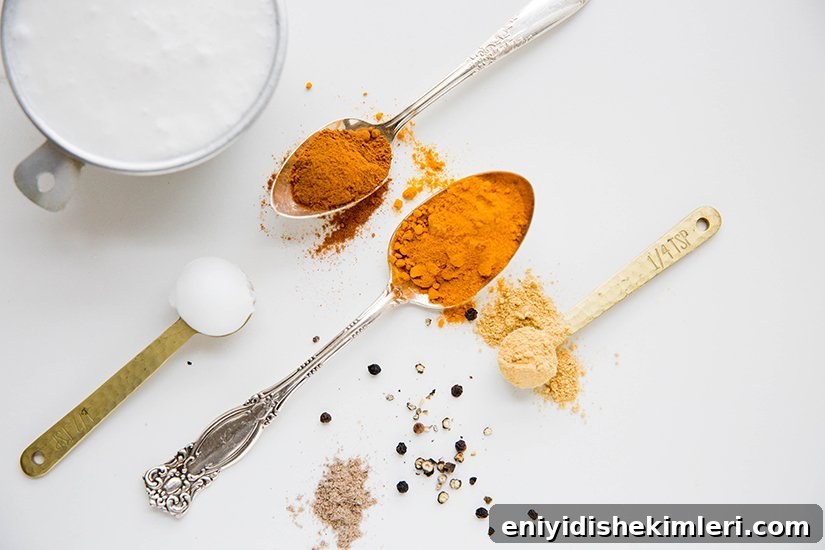
Gum disease is one of the most common conditions worldwide — around 60% of people are affected.
When did we start accepting this as normal?
This level of illness shouldn’t be considered ordinary. If heart disease or diabetes affected this many people, we would demand change. Yet gum disease remains widespread.
Many treat gum disease — including gingivitis and periodontitis — as only a dental issue. I view gum disease differently: it’s often the first sign of a broader systemic inflammation.
Instead of focusing solely on antibiotic rinses or invasive procedures, I prefer to highlight how everyday foods and spices can reduce inflammation. Food is medicine, and what you eat directly affects inflammation. If your goal is to feel better, reducing inflammation should be a top priority.
If you have mouth pain, bleeding or swollen gums, or suspect inflammation elsewhere in your body, consider the healing potential of your next meal.
Food is Medicine
A real, whole-foods diet has a measurable anti-inflammatory effect. Your food choices are among the most powerful factors that determine whether inflammation subsides or persists. Because inflammation underlies many major diseases, including gingivitis and periodontitis, how you eat matters.
Compounds in common kitchen spices can help reduce pain and swelling and may prevent the imbalances that lead to disease. The vivid colors, aromas, and flavors of spices are more than pleasing — they often carry beneficial bioactive compounds.
Below I share my favorite spice and a simple way to start using it today, so you can support healing one bite at a time.
My #1 Spice for Gum Disease: Turmeric
Turmeric, a staple in many Asian cuisines, has a bright golden-yellow color. The compound curcumin is largely responsible for the color and many of turmeric’s healing properties. While turmeric often appears in food and cosmetic uses, it also belongs in your health toolkit — your kitchen medicine cabinet.
Turmeric has demonstrated effectiveness for inflammatory conditions and is generally safe for children, adults, pregnant and breastfeeding women. People use turmeric to address inflammation related to conditions such as high cholesterol, diabetes, osteoarthritis, depression, IBS, and gingivitis.
Studies indicate turmeric-containing mouthwashes may help reduce gingivitis and oral discomfort. Active compounds in turmeric can suppress key inflammatory pathways, helping to turn off the biochemical signals that drive inflammation.
Beyond curcumin, turmeric’s whole root contains minerals like iron and potassium and fatty acids such as linoleic and linolenic acids. These components work together to support turmeric’s anti-inflammatory effects. Using the whole spice in foods provides a broader set of benefits than isolated curcumin alone.
Rather than relying only on supplements, try adding a pinch of turmeric to stews, soups, smoothies, and beverages to gain its benefits through regular dietary use.
Other Anti-Inflammatory Spices
Cinnamon and ginger also have anti-inflammatory properties. Cinnamon contains antibacterial compounds that can help reduce risk of gum infection, while ginger provides powerful anti-inflammatory constituents that may ease gum pain and discomfort.
Try this soothing beverage when you notice oral aches or general inflammation. It’s comforting, flavorful, and packed with anti-inflammatory nutrients. It’s also satisfying and can curb sweet cravings, which is helpful because reducing sugar is important for oral health.
One note about acidic drinks: even mildly acidic beverages can affect tooth enamel. Rinse with water first and wait about 45 minutes before brushing to reduce potential abrasion after an acidic exposure.
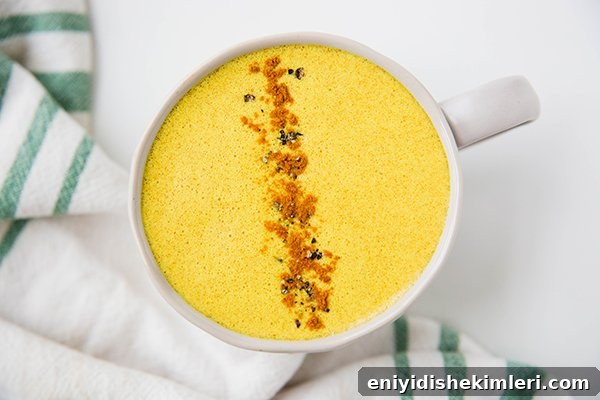
Dr. Burhenne’s Golden Milk

This warm, comforting drink works well as an evening nightcap or a gentle morning beverage. It’s not acidic and doesn’t stain like coffee; turmeric may even help reduce extrinsic dental stains.
- Author: Dr. Burhenne
- Prep Time: 5 minutes
- Cook Time: 5 minutes
- Total Time: 10 minutes
- Yield: 2-4 servings
Ingredients
- 1 cup full-fat, unsweetened coconut milk
- 1 teaspoon coconut oil or ghee
- 1 teaspoon freshly grated ginger
- dash of black pepper
- 1 tablespoon turmeric paste (recipe below)
- 1/2 teaspoon ground cinnamon
- 1/4 teaspoon cardamom
- couple drops of stevia
Turmeric Paste
- 1/3 cup water
- 2 tablespoons turmeric powder
Instructions
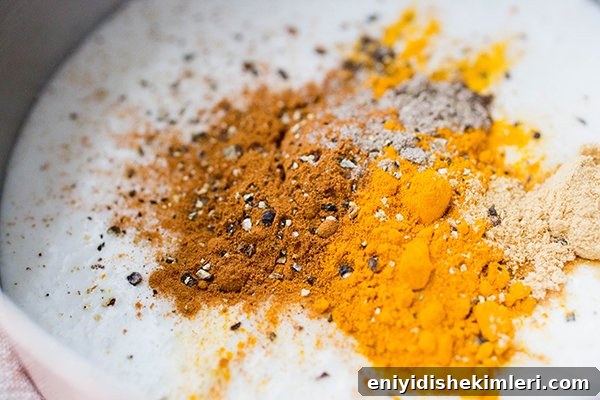
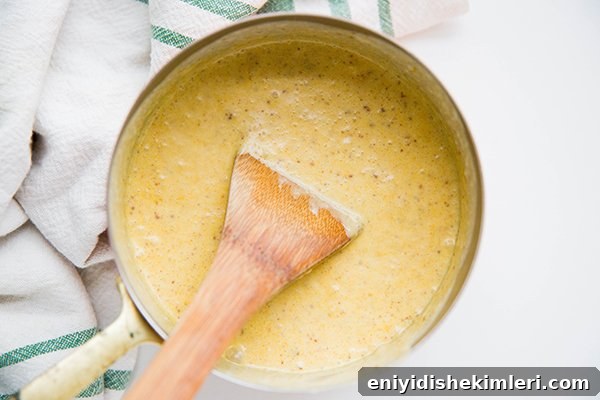
- Heat coconut milk in a saucepan over medium heat and bring to a gentle simmer. Stir in oil, ginger, turmeric paste, black pepper, cinnamon, cardamom, and stevia.

- Reduce heat and simmer about 5 minutes until flavors are combined.
- Serve immediately. Store leftovers in a glass container in the refrigerator for up to 5 days.
Turmeric Paste
- Bring water to a simmer and stir in turmeric. Simmer for a couple of minutes, stirring constantly to dissolve lumps.
- Turn off heat. A thin paste should form; add a little water if too thick.
Turmeric Paste
1/3 cup water
2 tablespoons turmeric powder
Instructions:
- Bring water to a simmer and stir in turmeric. Simmer for a couple of minutes, stirring constantly to dissolve any lumps.
- Turn off heat. A thin paste should form; add more water if needed.
Store in a glass container in the refrigerator for up to 2 weeks.
Why Prevent or Reverse Inflammation?
A quick reminder of why gum care matters can help motivate change. Your gums reflect your overall health. Inflamed gums may signal other internal issues. Gingivitis can progress to periodontal disease if ignored.
Factors that increase risk for gum disease include:
- Poor diet
- Diabetes
- Autoimmune conditions
- Certain medications
- Smoking
- High stress
- Improper aging
- Weakened immunity
- Pregnancy
- Hormonal changes
- Genetics
All of these relate to choices and circumstances in your life. You can influence your oral and systemic health through lifestyle: manage stress, choose nutrient-dense foods, limit processed sugars, sleep well, and stay active to support immunity and vitality.
Paying attention to changes in your mouth gives you an early warning about your overall health. If you haven’t considered how oral signs connect to cardiovascular, digestive, or hormonal health, now is a good time to start.
Please share this article and the recipe with friends and family to help others take steps toward better health.
In health,
Dr. Burhenne
Share your turmeric recipes and stories by leaving a comment below!
Learn More:Love Your Gums Neem Toothpaste