For about six years I used continuous glucose monitoring (CGM) to guide periodontal care in private practice. I delayed aggressive treatments—such as surgery or deep scaling—until a patient’s diabetes and glucose control were improved. This approach wasn’t merely a personal preference; it was the responsible clinical choice.
Dentists should avoid treating periodontal disease aggressively in patients with unmanaged diabetes. Proceeding without addressing metabolic control can waste time and resources and overlook the underlying driver of poor oral health. When diabetes is stabilized and insulin sensitivity improves, periodontal treatments are more effective and deliver clearer, longer-lasting benefits for patients.
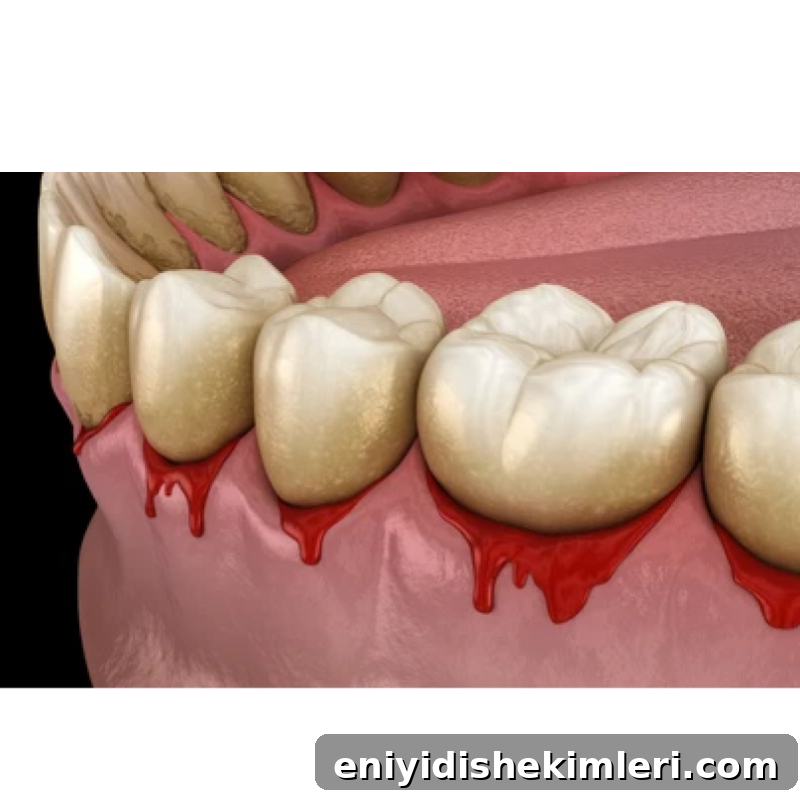
Insulin sensitivity plays a central role in gum disease. Too many clinicians still follow an incomplete model that concentrates solely on local factors—plaque, tartar, brushing, and flossing—while underestimating how metabolic health affects periodontal inflammation and immune response. This blind spot has real consequences: patients with poor metabolic health often respond poorly to standard periodontal therapy, resulting in repeated procedures and suboptimal outcomes.
Research shows that people with diabetes or insulin resistance face higher risk for periodontal disease because poor glucose control fosters inflammation and impairs immune defenses. Insulin resistance, which commonly precedes type 2 diabetes, can worsen periodontal inflammation even in patients who are not yet diabetic. Studies have found elevated inflammatory markers in people with insulin resistance that are associated with worse periodontal status. These findings reinforce that improving insulin sensitivity is a key component of effective periodontal care.
Clinging to outdated guidelines can unintentionally harm patients. Treating periodontal disease without considering metabolic status may perpetuate a cycle of ineffective care. This raises ethical questions about the standard of treatment our patients receive. The broader medical community sometimes resists new perspectives, favoring consensus over emerging evidence. Dentistry must avoid that trap and be willing to integrate new, evidence-based insights about the systemic drivers of oral disease.
As dental professionals we must challenge the status quo and prioritize patient well-being. Recognizing the link between insulin sensitivity and periodontal disease is not just theoretical—it should shape clinical decision-making. Considering a patient’s metabolic health alongside oral findings allows for more targeted, effective treatment plans and better long-term outcomes.
CGM technology offers practical value for dentistry. Real-time glucose tracking provides insights into a patient’s metabolic state and how fluctuations correlate with periodontal inflammation and healing. Imagine tailoring treatment plans based on both glucose trends and clinical periodontal measures—this integrated view could improve timing for interventions and patient education, and enhance treatment success.
I encourage clinicians to consider integrating metabolic assessment tools, including CGM when appropriate, into periodontal care workflows. This technology can support better-informed clinical decisions and empower patients to engage actively in managing both systemic and oral health. Patients should feel empowered to discuss CGM with their dental team and share relevant metabolic data that could influence treatment planning.
It’s time for dentistry to evolve beyond narrow, traditionally siloed approaches. Questioning established norms, embracing new evidence, and incorporating systemic health into oral care will improve outcomes. While direct research linking CGM use to specific dental outcomes is still developing, the potential for CGM to provide actionable metabolic insights makes it a promising tool in comprehensive periodontal management.
If you are a dental professional interested in implementing metabolic-informed periodontal care, begin by discussing patient selection, clinical protocols, and collaboration with medical colleagues. For patients, bring your metabolic data to dental visits and ask how it might inform your periodontal treatment plan.
Warmly,
Dr. Mark Burhenne

P.S. When I wear a CGM, I find certain snacks don’t spike my glucose. For example, dark chocolate hazelnut butter keto cups with MCT oil tend not to raise my readings and are a regular pantry item in our practice.
References and related studies:
- Epidemiological data linking diabetes and periodontitis highlight the impact of hyperglycemia on oral health.
- Comprehensive reviews detail the bidirectional relationship between diabetes and periodontal disease and discuss clinical management implications.
- Research has examined how periodontal treatment can influence glycemic control in patients with diabetes.
- Recent articles explore the broader interplay between metabolic health and oral disease, emphasizing the need for integrated care approaches.