
Today I’m pleased to share guidance from Amie Valpone on an often-overlooked health issue: candida in the mouth (oral thrush).
Amie’s piece highlights practical, evidence-informed approaches — including oil pulling — that can help support oral microbial balance. Oil pulling is not a cure-all, but when used appropriately it can aid the mouth’s microbiome and complement other antifungal measures.
Many conventional mouthwashes and toothpastes can be harsh on oral bacteria and may disrupt the mouth’s delicate balance, which can allow candida to overgrow. Amie’s recommendations focus on addressing root causes and restoring balance rather than merely masking symptoms.
If you have questions about the information below, leave a comment for Amie. She has helped many people improve their health through clean eating and an anti-inflammatory approach.
— Dr. B
For years I struggled with chronic illness instead of enjoying the energy I expected in my twenties. I experienced severe leg swelling, daily pain, persistent digestive problems, and constant fatigue. These challenges prompted a detox and lifestyle change that ultimately left me feeling younger and more energetic than I had in over a decade.
Candida overgrowth has become more common due to factors such as frequent antibiotic use, nutrient-poor diets, chronic stress, and consumption of yeast-containing foods.
Candida can produce dozens of toxic byproducts that may affect multiple systems in the body, contributing to brain fog, muscle and joint pain, weight changes, and other symptoms.
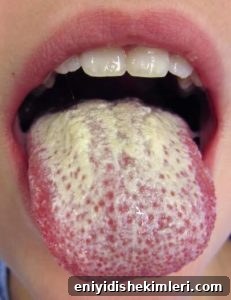
Oral thrush typically appears as a white or creamy coating on the tongue and other mouth surfaces. You might notice white, slightly raised patches on the tongue, palate, inner cheeks, gums, tonsils, or the back of the throat. The coating sometimes resembles cottage cheese.
Because invasive candidiasis (candida in the blood) is the severe form clinicians watch for, mild-to-moderate oral or systemic candida is often under-recognized in conventional care. I learned to navigate this largely on my own and have since worked to eliminate candida that contributed to digestive issues, elevated liver enzymes, muscle pain, and brain fog.
I recently dealt with oral thrush and want to share several steps that helped me reduce candida and support long-term balance. Addressing the underlying causes is essential; simply treating symptoms allows candida to persist or recur. When pursuing treatment, include the mouth as a potential reservoir for yeast so that the infection doesn’t become systemic.
Below are practical measures that can support oral and overall candida management.
1. Use antifungal strategies for the mouth under medical guidance
Work closely with your healthcare provider when using antifungals. One supportive practice is oil pulling with antifungal oils to reduce yeast in the mouth.
Try oil pulling with extra-virgin coconut oil mixed with a few drops of oil of oregano or a food-grade peppermint/spearmint essential oil. Swish the mixture in your mouth for several minutes, then spit it into the trash (avoid swallowing or spitting into sinks). Do this once or twice daily, ideally morning and evening. Coconut oil contains caprylic acid, which has antifungal properties; combining it with another antifungal can increase its effectiveness. Discuss duration and safety with your clinician before beginning.
2. Support gut and oral microbiomes with quality probiotics
High-quality probiotics can help restore beneficial bacteria that compete with candida. Some people find benefits from probiotic doses ranging from tens to hundreds of billions of CFUs, but doses and strains should be individualized.
Taking probiotics with food and scheduling antifungals at different times can prevent interactions. Always consult your healthcare provider for personalized recommendations and to choose appropriate probiotic strains.
3. Follow an anti-candida dietary approach
An anti-candida diet focuses on nutrient-dense, anti-inflammatory foods that do not feed yeast. Prioritize organic non-starchy vegetables, coconut oil, raw nuts and seeds, and lean proteins such as organic poultry and eggs. These foods help limit the carbohydrates yeast thrive on while supplying nutrients for recovery.
Avoid or limit sugar, refined carbohydrates, alcohol, coffee, vinegars, and foods containing yeast. Also consider removing potential gut irritants like gluten, dairy, soy, fried foods, and processed items to support gut healing. You can reintroduce foods gradually to identify triggers and working with a clinician or nutritionist can help tailor the plan to your needs.
4. Review medications with your doctor
Antibiotics, oral contraceptives, and steroids can alter the balance of beneficial microbes and contribute to yeast overgrowth. Discuss alternatives or strategies to protect your microbiome when these drugs are necessary.
Addressing candida effectively means combining targeted oral care, gut-focused treatments, dietary changes, and close collaboration with a healthcare provider. These steps can reduce oral thrush and help prevent candida from becoming a recurring or systemic problem.
Learn More:3 Things to Do to Prevent Candida in the Mouth