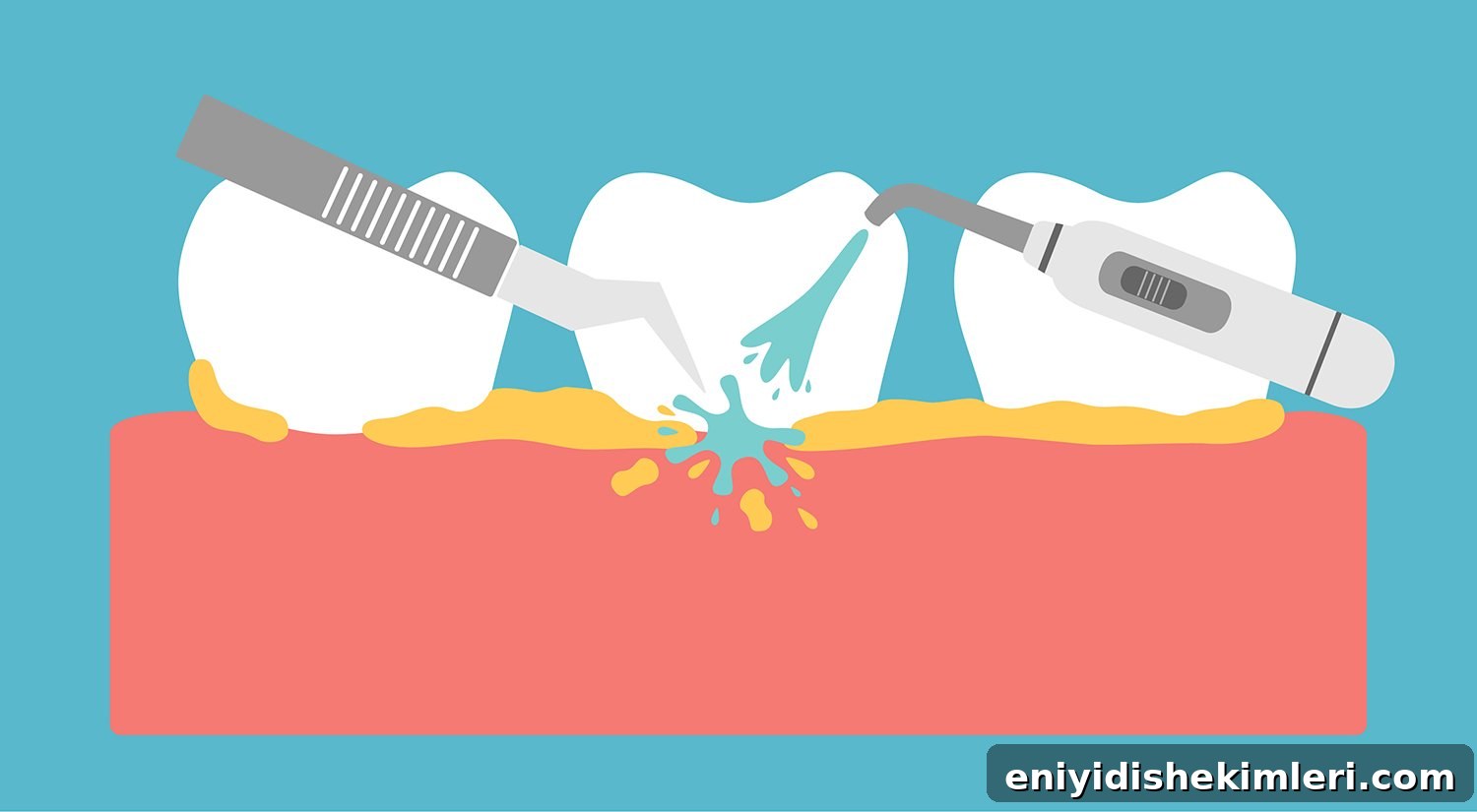
If you dread dental cleanings, you are far from alone. I used to avoid them as a child because they were painful. Now, as a dentist, I understand that the best way to reduce pain is actually to have cleanings more often, not less.
The more frequently you visit, the less buildup there is, and the less invasive the cleaning becomes.
When you wait too long between visits, plaque and tartar accumulate above and below the gum line. Your immune system reacts to that buildup, making gum tissue more sensitive. It’s similar to pulling a bandage off skin that’s been covered for a long time—the underlying tissue is more tender.
Postponing cleanings allows debris to harden and migrate below the gum line, which increases the amount of work needed and often makes the procedure more uncomfortable. If it’s been a while since your last cleaning, the tips below can help minimize pain at your next appointment.
8 Tips to Make Your Next Teeth Cleaning Hurt Less
1. Take an anti-inflammatory before and after. Over-the-counter anti-inflammatories can reduce discomfort during and after the cleaning. Taking a recommended dose about an hour before the appointment and again several hours afterward can blunt the inflammatory response. Check with your healthcare provider if you have health conditions or take other medications.
2. Ask for anesthesia. Don’t hesitate to request local anesthesia for a cleaning if you anticipate sensitivity. Many offices use topical anesthetic applied with a cotton swab to numb sensitive areas before deeper cleaning, which helps a lot for many patients.
3. Use a desensitizing toothpaste regularly. Switching to a desensitizing toothpaste such as those formulated for sensitivity can lower your baseline sensitivity over time. Make it your daily toothpaste to get the most benefit.
For Sensitive Teeth
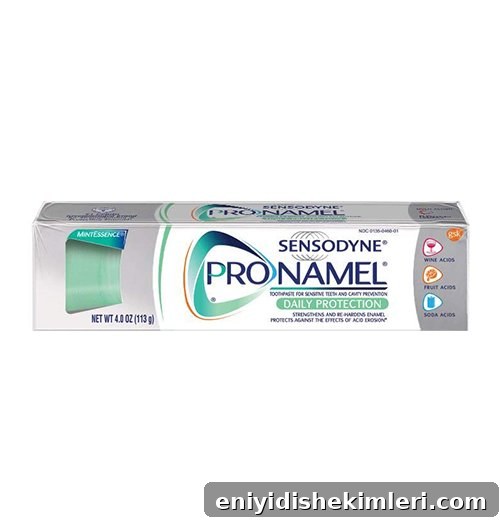
Sensodyne Pro Enamel
4. Protect against gum recession. Gum recession exposes the more sensitive root surface of the tooth. Repeated cycles of gum inflammation and healing can make recession worse. Managing underlying inflammation through improved hygiene and timely dental care helps limit recession and the sensitivity that follows.
5. Improve your daily oral hygiene. Brush and floss consistently—ideally after meals—and clean your tongue. Flossing removes a large portion of interdental plaque; skipping it leaves more buildup for the hygienist to remove, which can make cleanings more uncomfortable. If you dislike traditional floss, try floss picks or water flossers to maintain consistency.
6. Avoid over-brushing. Brushing too hard or with an incorrect technique can wear enamel and dentin, increasing sensitivity. Use gentle strokes and the proper technique to protect gum tissue and tooth surfaces. If you’re unsure about your brushing method, ask your dental team for a demonstration.
7. Consider an electric toothbrush. Electric toothbrushes can reduce the tendency to scrub aggressively because the brush does most of the work. Many electric brushes also clean more effectively along and just below the gum line, reducing the amount of debris that accumulates between visits.
8. Find the right hygienist. A skilled hygienist balances thoroughness with gentleness. You want someone who will remove buildup effectively without being unnecessarily rough. Communicate your sensitivity and preferences so the hygienist can adjust technique and comfort measures accordingly.
I hope these practical tips help make your next dental cleaning more comfortable.
Mark Burhenne DDS
Have more questions about dental cleanings? Ask your dental professional for personalized advice or submit your question to your dental care provider.
Learn More:How Often Should I Go to the Dentist for a Teeth Cleaning?