From tooth polishes and whitening toothpastes to charcoal pastes, whitening strips, and professional in-office treatments, there are many ways people try to brighten their smiles. But do these methods work? Are they safe? And what is the best whitening toothpaste?
No whitening method is a magic cure-all. In many cases, yellowed teeth signal more than a cosmetic issue.
Even well-cared-for teeth may never reach the ultra-white shades seen in celebrity photos. It helps to understand what whitening can and cannot do, and the difference between two main types of discoloration: intrinsic and extrinsic.
Below I outline what each type means and review common whitening approaches. First — which whitening toothpastes stand out right now?
The Best Whitening Toothpastes on the Market
Here are two solid, lower-risk options for gentle extrinsic stain removal:
Best for Gentle Whitening
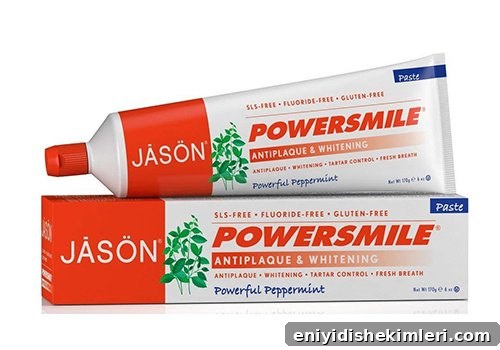
Jason Natural Powersmile Whitening Toothpaste
This baking soda–based paste is non-toxic and gentle, even for sensitive teeth. It avoids SLS so it doesn’t foam excessively and has a pleasant flavor. Use caution: it can be more abrasive than typical toothpastes, so it’s best used in short bursts (2–3 weeks) rather than continuously.
Best for Stain Removal + Microbiome Support
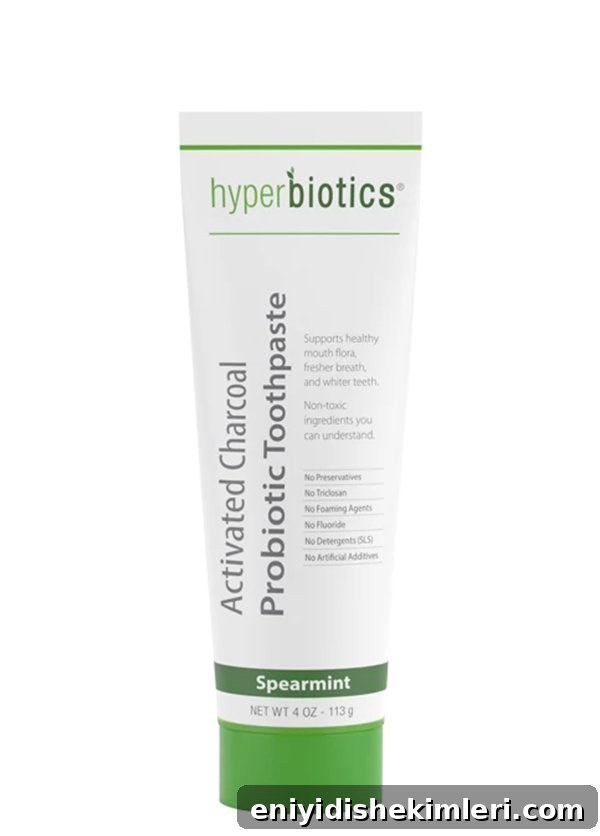
Hyperbiotics Probiotic Charcoal Toothpaste
Activated charcoal binds surface-staining compounds and can lift discoloration. This formula also includes oral probiotics to support a healthier mouth microbiome, which helps with breath and cavity prevention.
You may notice I don’t often recommend traditional fluoride whitening pastes here. An alternative, nano-hydroxyapatite toothpaste, can be equally effective for enamel support; my preferred brand uses that ingredient but doesn’t contain whitening agents.
Intrinsic vs. Extrinsic Whitening
People who want their teeth “whiter” are usually seeking extrinsic whitening: removal of surface stains to restore the tooth’s original shade. Intrinsic whitening, by contrast, changes the tooth’s internal color by bleaching dentin beneath the enamel.
Intrinsic whitening is required to physically change tooth color beyond its original shade; extrinsic whitening removes surface stains that make teeth look yellow but does not alter dentin color.
Think of extrinsic whitening like polishing a car: you remove grime so it sparkles, but the underlying color is unchanged. Intrinsic whitening is like repainting—the color itself changes.
To reach the dramatic, uniformly white shades often seen on celebrities you need intrinsic whitening—this cannot be achieved with toothpaste alone. Effective intrinsic methods include over-the-counter whitening strips with peroxide or, preferably, dentist-prescribed tray systems that apply peroxide gel consistently and safely.
If you need a fast, temporary change, whitening strips can work quickly, but they are not my top recommendation because of potential side effects and limited longevity.
How to Pick a Whitening Toothpaste
Most affordable whitening approaches only address extrinsic staining. Charcoal toothpastes and baking soda formulations can remove surface stains without excessive abrasion when used appropriately.
Many commercial whitening toothpastes rely on abrasive particles to remove stains. While they may show short-term improvement, excessive abrasion can create micro-scratches that harbor bacteria and increase future staining and decay risk.
In my experience, gentler formulas that omit harsh detergents and unnecessary chemicals are preferable. Charcoal works by adsorption—binding staining particles—while baking soda gently lifts stains. Use any abrasive product sparingly and alternate with milder toothpaste.
For intrinsic whitening, professional treatment is more costly up front but more effective and safer than many DIY methods.
If you’re unsure whether your discoloration is extrinsic or intrinsic, start conservatively: try proper brushing technique with an electric toothbrush and a mild whitening toothpaste to see if extrinsic stains improve. If not, consult a dentist for intrinsic options.
Why Whitening Toothpaste Doesn’t Change Tooth Color
To alter the internal color of teeth, a peroxide-based gel must remain in contact with the tooth surface for an extended period—typically an hour or two each day for multiple weeks. That kind of exposure is achieved with whitening strips or custom trays loaded with carbamide or hydrogen peroxide; toothpaste cannot provide that sustained chemical action.
One major contributor to both extrinsic and intrinsic discoloration is mouth breathing and dry mouth. Saliva acts as a natural cleanser; when the mouth is dry, staining agents linger longer and the oral microbiome is disrupted, which can accelerate internal yellowing over time.
Proper flossing and effective brushing are crucial—your toothbrush and technique remove stains more reliably than toothpaste alone.
The Problems with Whitening Toothpastes
High abrasivity is a common downside of whitening toothpastes. Enamel can be scratched by abrasive particles, creating microcrevices that invite staining and bacterial buildup. In the long run, constant use of highly abrasive whitening pastes can be counterproductive.
Additionally, some whitening formulations contain chemicals that disturb the oral microbiome, potentially harming beneficial bacteria and increasing cavity risk or causing gum irritation. Natural stain removers—activated charcoal, turmeric, or oil pulling—can help with extrinsic stains but won’t change internal tooth color.
Why a Good Toothbrush Beats Whitening Toothpaste
An oscillating electric toothbrush often removes stains more effectively than abrasive toothpaste. Proper brushing technique—gentle pressure, circular strokes, and at least two minutes per session—matters more than the whitening particles in toothpaste.
The best at-home whitening starts with an effective toothbrush, not a whitening paste. Oscillating brushes can polish away biofilm and stains while avoiding the microabrasions that abrasive pastes produce. Replace brush heads regularly to maintain performance.
Key brushing tips:
- Brush at least two minutes. Aim for morning and night and after meals that promote staining.
- Don’t brush too hard. Gentle pressure prevents grooves and crevices where bacteria can accumulate.
- Avoid sawing motions. Use gentle circular motions rather than forceful back-and-forth strokes.
How to Prevent Stains and Keep Teeth Whiter
Mouth tape
Mouth breathing at night dries the mouth and accelerates biofilm buildup. If you find stains despite avoiding staining foods, consider addressing mouth breathing to preserve saliva’s protective effects.
More frequent professional cleanings
Dental hygienists use polishing pastes stronger than what you have at home. If stains return quickly, increasing cleaning frequency from every six months to every four months can help remove extrinsic buildup before it becomes stubborn.
Brush after staining foods and drinks
Wait about 30 minutes after consuming acidic or staining items before brushing; rinsing with water immediately after a meal helps remove staining agents. Coffee, red wine, tea, dark berries, and some fermented drinks are common culprits.
Keep a travel toothbrush and sanitizer for on-the-go quick cleans to prevent biofilm from hardening between meals.
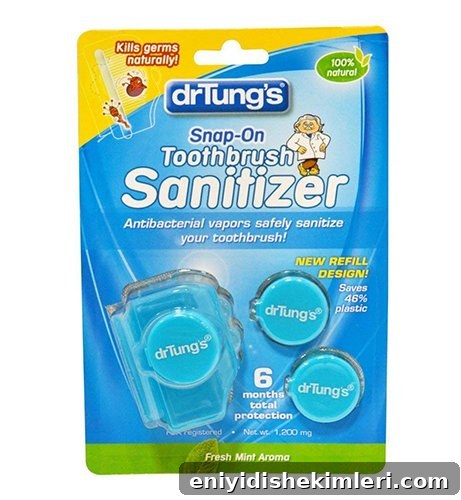
Dr. Tung’s Snap-on Toothbrush Sanitizer
Hydration and diet
Staying well hydrated and maintaining a nutrient-rich diet helps preserve tooth structure and slows internal discoloration. Chronic dehydration and poor nutrition can accelerate intrinsic yellowing.
Final Thoughts on Whitening Toothpaste
The most effective and safest path to a true color change is professional whitening under a dentist’s supervision using custom trays and peroxide gel. While whitening strips offer a quicker, lower-cost alternative, their repeated use can add up financially and may expose the mouth to unnecessary adhesives and chemicals.
Natural options like charcoal toothpaste, turmeric, and oil pulling can remove surface stains and are gentler alternatives to harsh chemical pastes, but they only address extrinsic discoloration.
For safer extrinsic stain removal, consider milder baking soda or charcoal-based pastes used intermittently, combined with an effective toothbrush and proper brushing technique. If extrinsic methods don’t achieve the results you want, consult your dentist about intrinsic whitening options.
Remember: extremely bright, unnatural-looking teeth aren’t necessarily healthier teeth. If you want a noticeably whiter smile beyond what surface cleaning can provide, seek professional advice.
Have you tried a whitening toothpaste that worked well for you? I’d be interested to hear about your experience.
Learn More:”The”]