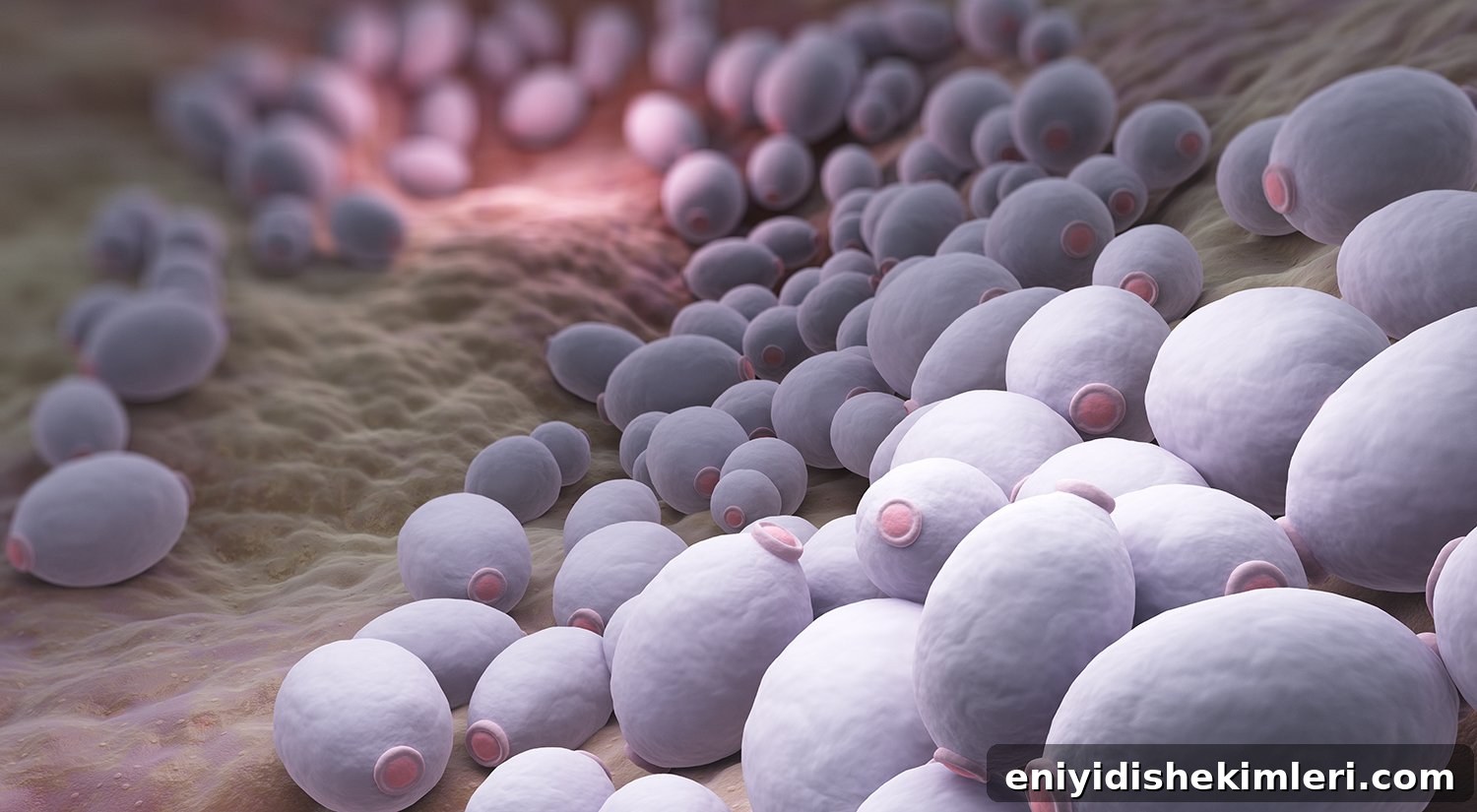
Is your mouth feeling off lately? Strange tastes, white patches, or cracked lips could point to oral thrush.
Don’t worry — with proper care and the right treatments, oral thrush is usually straightforward to manage.
This article explains how to recognize oral thrush, the factors that increase your risk, and practical ways to relieve symptoms and prevent recurrence. It covers medical treatments and safe natural options that can help restore comfort and oral balance.
What is oral thrush?
Oral thrush is an infection caused by an overgrowth of Candida yeast, most commonly Candida albicans. When Candida grows unchecked it causes oral candidiasis, also called oropharyngeal candidiasis or simply thrush. Candida can also cause yeast infections in other areas of the body, including the genital region, and lives naturally in the mouth, digestive tract, and vagina.
Small amounts of Candida are normally present in the mouth. Thrush develops when that yeast multiplies excessively.
Overgrowth can be triggered by changes to the mouth’s chemical environment, often as a side effect of medications (including antibiotics), medical conditions such as diabetes, or other factors that disrupt the normal balance of microbes.
14 Risk Factors & Causes of Oral Thrush
- Poor oral hygiene: Irregular brushing, flossing, and tongue cleaning can allow fungal overgrowth.
- Being a baby: Infants are more vulnerable, especially if pacifiers and feeding items aren’t cleaned properly.
- Wearing dentures: Ill-fitting or unclean dentures, or leaving them in overnight, raise the risk of Candida growth.
- Excessive antibiotic use: Antibiotics can reduce friendly bacteria that normally restrain Candida, allowing yeast to multiply. Overuse of antibacterial mouthwash has a similar effect.
- Poor nutrition and a high-sugar diet: Diets rich in simple carbohydrates and sugar provide fuel for Candida.
- Deficiencies in vitamin B12, vitamin C, folate, or iron: Low levels of these nutrients are linked with higher rates of infection, especially in older adults.
- Steroid inhalers or systemic steroids: Inhaled and oral steroids can promote Candida growth in the mouth.
- Dry mouth: Reduced saliva from medications, mouth breathing, or conditions like Sjögren’s syndrome makes the mouth more susceptible to overgrowth.
- Diabetes: Poorly controlled diabetes significantly increases the risk of oral candidiasis.
- Cushing’s syndrome: The hormonal changes of this condition can contribute to susceptibility.
- Cancer and cancer treatments: Radiation and chemotherapy weaken defenses and increase risk.
- Immune system disorders: Conditions such as HIV/AIDS or leukemia raise the likelihood of thrush.
- Poor overall health or a weakened immune system: Chronic illness or immune suppression makes Candida infections more likely.
- Smoking: Tobacco disrupts the oral microbiome and can promote fungal overgrowth.
Symptoms of Oral Thrush
Candida albicans is an opportunistic yeast that can present in several ways depending on the pattern of infection. Clinically, thrush is often classified into three types:
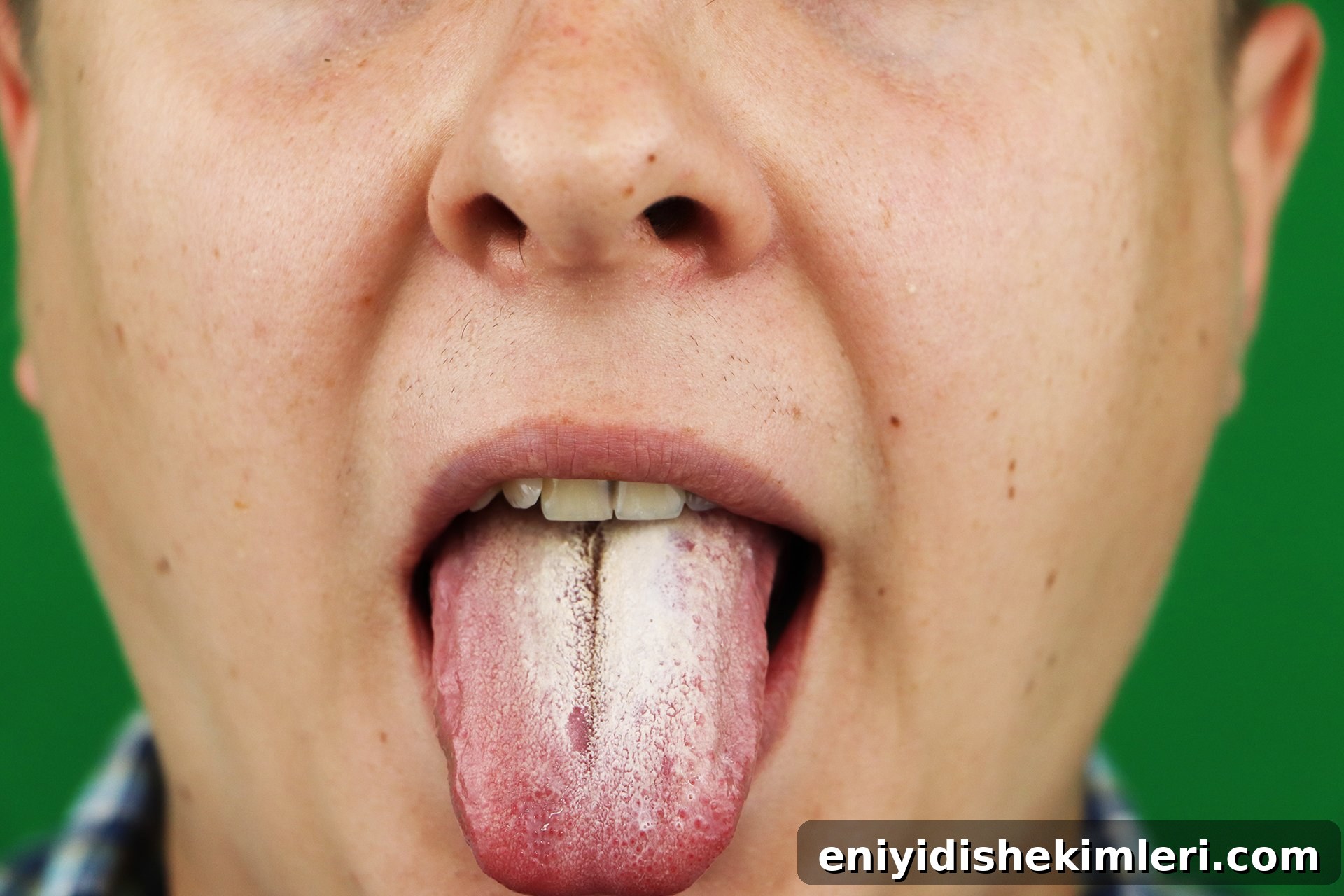
- Pseudomembranous: Classic “cottage cheese” white patches on the tongue, inner cheeks, or other mouth surfaces.
- Erythematous (atrophic): Red, raw-looking patches rather than white plaques.
- Hyperplastic: Thickened, plaque-like lesions that are harder to remove; this form is less common and often seen in people with HIV.
Typical symptoms include:
- Raised white or red lesions on the mucous membranes that may join into larger patches. Wiping away a patch can reveal red, sometimes bleeding tissue beneath. Lesions often appear on the tongue and inner cheeks and can spread to the roof of the mouth, gums, tonsils, or throat.
- Discomfort, soreness, or a burning sensation in the mouth even before visible spots develop.
- Cracked, sore skin at the corners of the mouth (angular cheilitis).
- Redness or soreness under dentures.
- Pain or sensitivity that makes eating and drinking uncomfortable. Infants may drool and have difficulty feeding.
- Altered taste or loss of taste.
- A dry, cotton-like feeling in the mouth.
In severe cases, thrush can spread into the esophagus (esophageal candidiasis), producing symptoms such as pain or difficulty when swallowing, a sensation of food stuck in the throat, and fever. Nursing mothers can acquire and pass Candida during breastfeeding, causing nipple pain, flaking skin, or deep piercing breast pain.
Antifungal creams and appropriate medical treatment usually clear nipple and breast infections; common topical antifungals include clotrimazole and terbinafine.
Because thrush can sometimes mimic other conditions and, when untreated in people with weakened immunity, may contribute to broader health issues, it’s important to seek evaluation and treatment when symptoms persist.
What does oral thrush look like?
Examples of oral thrush vary from white cottage-cheese lesions to red raw patches and thicker plaques. Below are images illustrating common presentations.
References

References
How Your Doctor or Dentist Diagnoses Candida
Although visible white patches can make diagnosis straightforward, thrush sometimes resembles other oral conditions, so clinicians often perform tests to confirm the cause. In infants, a gentle scrape of the tongue can detect Candida. In adults, doctors may take a swab for culture, and in complicated cases they might request blood tests or a biopsy.
Conditions that can resemble or be associated with thrush and may need to be ruled out include angular cheilitis, median rhomboid glossitis, and linear gingival erythema. When clinicians suspect esophageal involvement, they may order an endoscopy or throat swab culture.
Blood tests may assess nutrient deficiencies (folate, vitamin B12, vitamin C, iron) or evaluate underlying conditions such as diabetes or immune disorders that raise susceptibility.
Treatments for Oral Thrush
Treatment depends on severity and underlying causes. In infants, mild cases often resolve on their own; sterilizing pacifiers and feeding equipment helps prevent reinfection. For adults, addressing predisposing factors — such as improving denture fit, optimizing diabetes control, or adjusting medications — is a key part of treatment.
Common antifungal treatments include topical nystatin suspension or miconazole gel/lozenges. Oral antifungal tablets such as fluconazole or itraconazole are used for more severe or persistent infections. In complex or systemic cases, stronger systemic antifungals or specialist care may be necessary.
Preventing recurrence means addressing the factors that allowed Candida to overgrow in the first place.
Ways to Prevent Oral Thrush
Good oral hygiene and healthy habits reduce the risk of thrush. Recommendations include:
- Brush twice daily, floss once daily, and clean your tongue.
- Have regular dental checkups, especially if you wear dentures or have diabetes.
- Manage chronic health issues and take medications as prescribed.
- Avoid unnecessary or prolonged antibiotic use.
- Limit use of strong antiseptic mouthwashes that disrupt the oral microbiome and dry the mouth.
- Clean inhalers and spacer devices after use.
- Cut back on foods high in sugar and yeast.
- Seek support to quit smoking if you smoke.
4 Home Remedies for Oral Thrush
Some natural remedies can help relieve symptoms and support recovery alongside medical treatment. These should be used with care and discussed with your healthcare provider if you have significant illness or are immunocompromised.
1. Essential oils
Certain essential oils have antifungal activity and can be diluted in water for short-term mouth rinses. Clove oil, oregano oil (diluted heavily), and myrrh have shown antifungal properties in studies. Use essential oils sparingly and avoid prolonged use that could disrupt beneficial oral bacteria or irritate tissues.
2. Apple cider vinegar oral rinses
Diluted apple cider vinegar may help rebalance oral pH and inhibit Candida. Rinse diluted solutions or soak removable dentures overnight to reduce Candida buildup. Because of its acidity and strong flavor, dilute ACV and avoid prolonged direct contact with tooth enamel.
3. Probiotics
Probiotic foods and oral probiotics can help restore beneficial bacteria and limit Candida overgrowth. Incorporating cultured foods like yogurt or taking a targeted probiotic supplement can support microbial balance in the mouth and gut.
4. Coconut oil
Coconut oil contains lauric and caprylic acids with antimicrobial effects. Oil pulling or topical use of coconut oil may provide symptomatic relief and help reduce Candida levels. Some studies indicate potential benefit, but coconut oil should complement, not replace, medical antifungal therapy when needed.
Is thrush contagious?
Oral thrush can be transmitted through intimate contact such as kissing or oral sex, and genital yeast infections can be passed to a partner or to infants during delivery or breastfeeding. While transmission is possible, a positive culture does not necessarily mean an infection was acquired from another person — host factors and local conditions play a large role.
Key Takeaways: Oral Thrush
Candida overgrowth in the mouth is common but treatable. Recognizing symptoms early, addressing underlying causes, maintaining good oral hygiene, and using appropriate antifungal treatments or supportive home remedies will help you recover and reduce the chance of recurrence.
References
- Patil, S., Rao, R. S., Majumdar, B., & Anil, S. (2015). Clinical appearance of oral Candida infection and therapeutic strategies. Frontiers in Microbiology, 6, 1391.
- Akpan, A., & Morgan, R. (2002). Oral candidiasis. Postgraduate Medical Journal, 78(922), 455-459.
- Paillaud, E., et al. (2004). Oral candidiasis and nutritional deficiencies in elderly hospitalised patients. British Journal of Nutrition, 92(5), 861-867.
- Challacombe, S. J. (1986). Haematological abnormalities in oral lichen planus, candidiasis, leukoplakia and nonspecific stomatitis. International Journal of Oral and Maxillofacial Surgery, 15(1), 72-80.
- Lamster, I. B., Lalla, E., Borgnakke, W. S., & Taylor, G. W. (2008). The relationship between oral health and diabetes mellitus. The Journal of the American Dental Association, 139, 19S-24S.
- Peterson, D. E. (1992). Oral candidiasis. Clinics in Geriatric Medicine, 8(3), 513-528.
- Goregen, M., et al. (2011). Median rhomboid glossitis: a clinical and microbiological study. European Journal of Dentistry, 5(4), 367.
- Seneviratne, C. J., & Jayasinghe, R. D. (2015). Association of Candida with Linear Gingival Erythema in HIV-Infected Subjects. In Oral Candidosis (pp. 83-94). Springer.
- Chee, H. Y., & Lee, M. H. (2007). Antifungal activity of clove essential oil and its volatile vapour. Mycobiology, 35(4), 241-243.
- Cleff, M. B., et al. (2010). In vitro activity of Origanum vulgare essential oil against Candida species. Brazilian Journal of Microbiology, 41(1), 116-123.
- Adwan, G., et al. (2012). Assessment of antifungal activity of herbal and conventional toothpastes against Candida albicans. Asian Pacific Journal of Tropical Biomedicine, 2(5), 375-379.
- Pinto, T. M. S., et al. (2008). Vinegar as an antimicrobial agent for control of Candida spp. in denture wearers. Journal of Applied Oral Science, 16(6), 385-390.
- Hasslöf, P., et al. (2010). Growth inhibition of oral mutans streptococci and Candida by probiotic lactobacilli. BMC Oral Health, 10(1), 18.
- Ogbolu, D. O., et al. (2007). In vitro antimicrobial properties of coconut oil on Candida species. Journal of Medicinal Food, 10(2), 384-387.