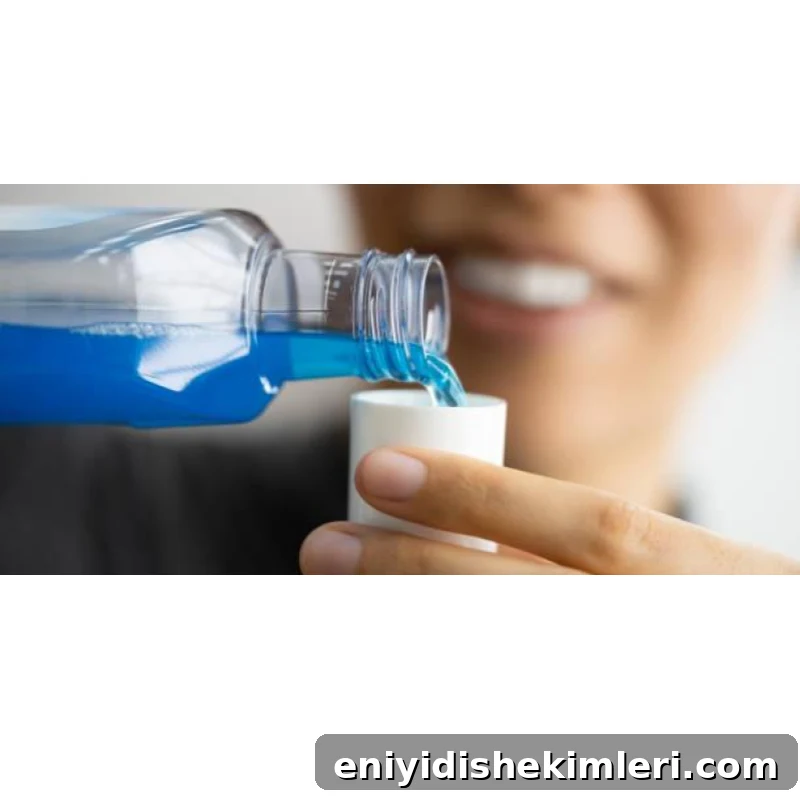
We’ve all seen the commercials: thirty seconds of swishing mouthwash and your teeth will be whiter, your gums healthier, and bad breath gone. The reality is more complex.
In fact, mouthwash is one of the common dental mistakes made by both practitioners and patients.
Beyond marketing, it’s important to know that many mainstream mouthwashes do not deliver on their claims. Worse, conventional mouthwashes can sometimes worsen oral health by disrupting the mouth’s natural defenses: the oral microbiome.
A 2019 study notes how our growing understanding of the human microbiome highlights the problems of broad‑spectrum antibacterial treatments. It explains that remodeling the dental plaque community may be preferable to using broad‑spectrum mouthwashes, because preserving an intact microbial community helps prevent reinfection by pathogens.
Put simply: treatments that indiscriminately kill oral bacteria can undermine the mouth’s most important immunity tool. Below we review common problems with popular mouthwashes, what ingredients to avoid, and safer alternatives.
The Problems with Conventional Mouthwash
Here are the major concerns with many over‑the‑counter mouth rinses:
Mouthwash damages the oral microbiome
Think of many mouthwashes like unnecessary antibiotics for the mouth. Broad‑spectrum antimicrobial agents wipe out both harmful and beneficial bacteria. Beneficial oral bacteria are part of the mouth’s natural defense system and play roles in preventing cavities, gingivitis, and bad breath.
Mouthwash dries out your mouth
Saliva is vital for remineralization and for maintaining oral health. Alcohol and certain antiseptic agents in mouthwashes can reduce saliva production and leave the mouth feeling dry. Additionally, interactions between anionic compounds in toothpaste and cationic compounds in some mouthwashes can produce a drying effect in the cheeks and oral tissues.
Some people report painful reactions from this interaction, including sloughing of the inner cheek lining.
Mouthwash may increase cavity risk
Killing a high percentage of oral bacteria does not automatically prevent cavities. Beneficial bacteria support remineralization processes and help maintain a balanced oral environment. Reducing saliva and eliminating helpful microbes both interfere with the mouth’s ability to repair early tooth decay. Saliva also delivers minerals like phosphorus and magnesium that support enamel health.
Mouthwash often fails to resolve bad breath
Minty flavors can mask odor temporarily, but alcohol and other drying ingredients can deprive the mouth of saliva and beneficial bacteria needed to control halitosis long term.
Mouthwash can contribute to mouth ulcers
Neutralization reactions between certain toothpaste and mouthwash ingredients, together with drying of oral tissues, can damage the protective lining of cheeks and gums, sometimes leading to ulceration.
Possible link to oral cancer risk
Research is not definitive, but some studies raise concerns about a potential association between alcohol‑containing mouthwashes and oral cancer risk. Behavioral factors such as tobacco use—often correlated with heavier mouthwash use—may confound that relationship.
Mouthwashes can also sting or burn. That sensation comes from mildly irritating ingredients like eucalyptol, menthol, thymol and methyl salicylate, and from those compounds interacting with oral tissues.
Mouthwash Ingredients to Avoid
Many adverse effects stem from specific ingredients. Watch for these offenders:
1. Alcohol
Many conventional mouthwashes contain ethanol at concentrations higher than those found in beer. Alcohol dries the mouth, which can worsen breath, irritate the oral lining, and create an acidic oral pH that interferes with remineralization.
2. Chlorine dioxide
Used as a bleaching and antibacterial agent, chlorine dioxide is classified as a hazardous gas in concentrated form. It’s employed in small amounts for whitening and antimicrobial action but carries potential risks.
3. Chlorhexidine
Chlorhexidine is a powerful antiseptic that effectively kills bacteria, but it is also a common allergen. Contact dermatitis is a typical reaction and, in rare cases, severe allergic responses can occur.
4. Cocamidopropyl betaine
This surfactant creates foam but can cause contact dermatitis in sensitive people. It’s been identified as a moderate hazard in some product safety assessments.
5. Parabens
Parabens are preservatives that may disrupt endocrine function for some individuals and can trigger allergic reactions.
6. Poloxamer 407
A detergent used to solubilize ingredients, poloxamer 407 has been associated with adverse effects in animal studies; human implications are not fully determined.
7. Formaldehyde
Formaldehyde—used in other industries as a preservative or sterilant—can appear in some products as a contaminant or derivative and is linked to irritation and potential long‑term risks at higher exposures.
8. Saccharin
Artificial sweeteners like saccharin are sometimes used in mouthwashes. Its safety has been debated; alternatives such as stevia offer non‑caloric sweetness without the same controversies.
Are All‑Natural Mouthwashes Okay?
Natural options are generally safer than conventional antiseptic mouthwashes, but they also have limits: no mouthwash truly whitens teeth or permanently eliminates bad breath on its own. If you choose to use a mouthwash, consider alcohol‑free, gentle formulations and avoid frequent use of strong antibacterial essential oils that could still upset the oral microbiome.
1. Aesop Mouthwash
An alcohol‑free option with clove bud, aniseed, and spearmint essential oils. Some essential oils are antibacterial, so avoid overuse to protect microbial balance.
2. Oral Essentials / Lumineux
Formulated with Dead Sea salt for mineral support and aloe vera for soothing, this type of rinse may aid remineralization and oral comfort.
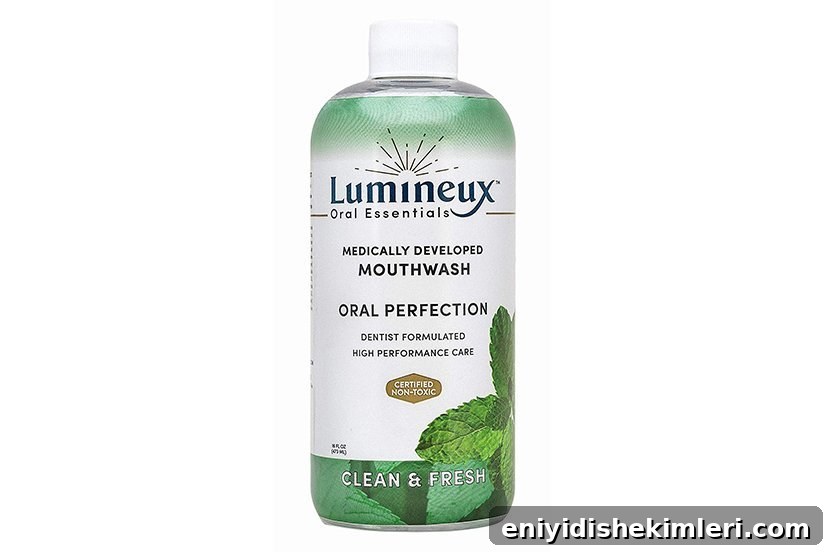
Oral Essentials
Buy Now!
3. Georganics Coconut Pulling Mouthwash
Based on oil pulling traditions, coconut oil blends have antiviral, antifungal, and antibacterial properties that may reduce harmful bacteria while preserving beneficial species, potentially improving breath over time.
My Pick
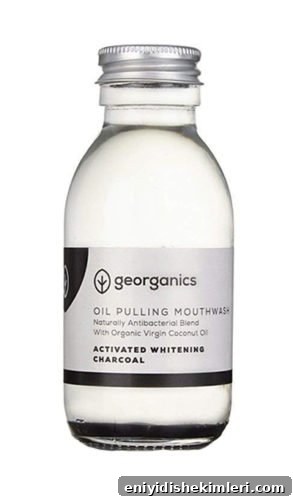
Georganics Coconut Oil Pulling Mouthwash
Buy Now!
4. DIY Mouth Rinses
Homemade rinses let you control ingredients. Remineralizing or pH‑balancing recipes can support enamel repair and help manage bacterial overgrowth without harsh antiseptics.
5. Oragin Oil Pulling Blend and Oral Probiotics
Modern oil‑pulling blends combine MCT coconut oil with supportive ingredients aimed at gum health and microbiome balance. Oral probiotics are another strategy: instead of killing bacteria, they repopulate the mouth with beneficial strains shown to support healthy breath and microbial balance.
How to Really Eliminate Bad Breath, Stains, and Other Issues
Addressing diet and nutrition is essential. Diets high in refined carbohydrates, sugars, and acidic processed foods promote overgrowth of harmful bacteria and contribute to cavities, stains, pH imbalance, and bad breath. Improving intake of calcium, vitamin D, magnesium and phosphorus, and correcting nutritional gaps with sensible supplementation supports oral health.
Avoid excessive phytic acid from certain grains and legumes, simple starches (white bread, pasta, white rice), sugary foods and drinks, dried fruit, and highly acidic items when possible.
Tongue scraping is an effective, low‑tech step that removes buildup on the tongue more reliably than mouthwash and can improve taste, digestion, and breath. Combined with consistent brushing and flossing, a balanced oral microbiome helps maintain healthy pH, reduce plaque, and support fresher breath.
Key Takeaways: Mouthwash
Conventional mouthwash can be less helpful than advertised. It may disrupt the oral microbiome, dry oral tissues, disturb pH balance, worsen breath, contribute to ulcers, and carry potential long‑term risks. Focus on the root causes of dental problems—diet, nutrients, and daily hygiene—rather than relying on antiseptic rinses. If a mouthwash is desired, choose alcohol‑free, gentle, or natural options, or use thoughtfully prepared DIY rinses and microbiome‑supporting products.
References
- Baker, J. L., He, X., & Shi, W. (2019). Precision reengineering of the oral microbiome for caries management. Advances in Dental Research, 30(2), 34–39.
- Warnakulasuriya, S. (2009). Causes of oral cancer–an appraisal of controversies. British Dental Journal, 207(10), 471.
- Warren, A., et al. (2011). The impact of poloxamer 407 on the ultrastructure of the liver and evidence for clearance by extensive endothelial and Kupffer cell endocytosis. Toxicologic Pathology, 39(2), 390–397.
- Montanaro, A. (1996). Formaldehyde in the workplace and in the home: exploring its clinical toxicology. Laboratory Medicine, 27(11), 752–758.