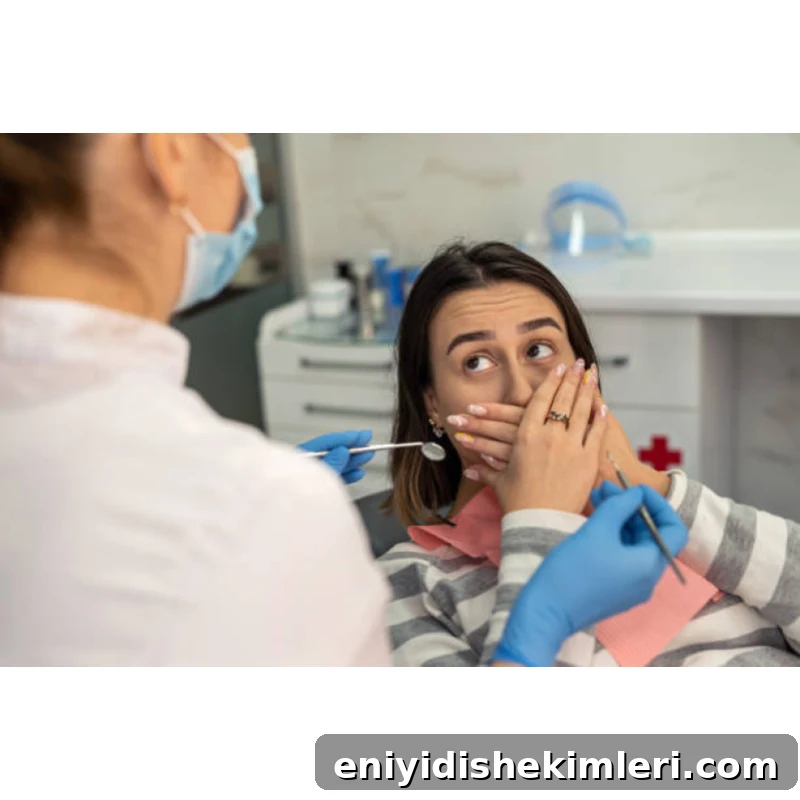
A friend of mine, a healthcare practitioner, called me in tears a few years ago.
She hadn’t seen a dentist in more than four years. When she finally made an appointment, the dentist presented an $8,000 treatment plan on the first visit. Everything was framed as urgent, with little explanation of how her condition had progressed or what she might do differently going forward.
“Am I really that bad?” she asked. “Have I ruined my teeth?” There was also shame: “I should know better.”
I told her this: after a long gap in care, the dentist you choose matters more than ever.
If you’re going to invest time and money after years away, you want more than someone who simply fixes problems. You want a clinician who helps you understand how things developed so you don’t return to the same place years from now.
Often what happens is predictable: you avoid the dentist for years because life gets overwhelming, and when you finally go back you’re faced with a raft of procedures labeled “urgent.”
That’s drill-fill-bill dentistry, and it’s common.
After four or five years away, tartar, calculus, and some decay are to be expected.
A thoughtful dentist asks a different question: How long did it take to get this bad?
Without understanding the timeline and progression, how can a clinician separate what truly needs immediate care from what has been stable for years?
A functional dentist slows down and asks: How did we get here? What changed in your diet, stress, sleep, or medications? Are you mouth breathing? What’s happening systemically?
Equally important: what kept you away, and how can we prevent that from happening again?
They teach—because the root of the word “doctor” is teacher.
They don’t just repair problems; they explain what created them and how to prevent recurrence. That’s the difference between a quick fix and a genuine partnership.
Green flags (look for these):
- Asks about your diet and lifestyle before recommending treatment
- Explains x-rays in detail and shows you exactly what they see
- Discusses least invasive options first (can this lesion be remineralized?)
- Asks about your timeline: “When was your last cleaning? When did symptoms start?”
- Says: “Let’s start with one thing and see how you do”
- Addresses your oral microbiome, mouth breathing, or systemic health connections
- Discusses filling materials and provides options
Red flags (avoid these):
- Immediately presents an expensive treatment plan without discussion
- Reluctant to explain findings or gives only a cursory x-ray overview
- Recommends multiple fillings in the same quadrant, all labeled “urgent”
- Blames you for poor brushing or flossing without asking about diet or life changes
- Pushes for immediate, extensive treatment as soon as you learn about issues
- Uses only amalgam (mercury) fillings and offers no alternatives
- Never mentions nutrition, mouth breathing, or asks why cavities formed
Before agreeing to treatment, ask these questions:
“How long did it take to get this bad?”
This reveals whether the dentist is considering disease progression or merely reacting to a snapshot. If they can’t answer, they’re not considering your full history.
“Do you incorporate nutritional counseling into your treatment plans?”
You can’t out-brush or out-floss a poor diet. If nutrition isn’t part of the conversation, you may return with the same problems.
“What’s the least invasive way to treat this?”
Early cavities, especially those that haven’t breached dentin, can often be remineralized with targeted toothpaste, diet changes, and addressing mouth breathing.
“Can you describe what you’re seeing so I can understand it?”
Ask the dentist to walk you through the x-rays. A good clinician welcomes this. Reluctance or a quick, dismissive overview is a red flag.
“What are the risks and benefits of this procedure?”
Every procedure carries risks. You deserve a clear explanation of potential downsides and expected benefits before deciding.
“Can we start with one thing first?”
It’s reasonable to say: “I want to begin with one filling and see how it goes before committing to everything.” A good dentist will agree.
My friend sought a second opinion from a functional dentist.
She actually needed one filling and a deep cleaning—not four fillings and a crown.
More importantly, the second dentist explained what led to the tartar buildup beneath her gum line. He reviewed the x-rays, showed where pockets had formed, and explained why scaling and root planing were necessary after years away.
Then he asked: what changed four years ago? Why did you stop coming?
Her answer was honest: her father’s death, months of caregiver stress, living on coffee and granola bars, barely sleeping, and worsening mouth breathing.
They developed a plan together that addressed the current problems and aimed to prevent recurrence: improved nutrition, addressing mouth breathing, and supporting her oral microbiome.
That’s the difference.
If You’re Running on Empty
If you’ve been avoiding the dentist because you’re exhausted or overwhelmed, you’re not alone. It’s often not that you don’t care or “should know better,” it’s that you don’t have the bandwidth.
In my experience, oral health frequently reflects life circumstances.
When life is stable—steady work, manageable stress, good mental health—people tend to floss regularly, keep cleanings, and look after themselves.
When life unravels—loss, divorce, job changes, depression, caregiving—dental care is often one of the first things to slide.
Not because people don’t care, but because basic self-care requires bandwidth you may not have in survival mode.
Simple, practical steps that have helped others in difficult seasons:
When you’re sleep-deprived and foggy, some people find that certain supplements can help short-term cognitive function. If stress is reducing saliva production, supporting factors that improve saliva can help, because saliva is a primary defense against cavities.
If you’re dealing with gum bleeding or inflammation, evidence supports nutrients like CoQ10 and vitamin D/K2 for supporting gum and enamel health.
None of this replaces seeing a dentist, but small steps can help you feel less depleted while you decide your next move.
Whether you’ve skipped the dentist for two years or ten, the provider you choose will shape whether you get a quick fix or a real solution. Find someone who thinks functionally, not just procedurally. If you’re not ready for that step, consider working with a myofunctional therapist.
Meanwhile: floss one tooth tonight if that’s all you can manage. Chew xylitol gum after meals. Keep a toothbrush by your bed for a quick dry brush before sleep. Small habits and supportive supplements that bolster saliva can help protect your teeth.
Something is always better than nothing.
If your dentist makes you feel ashamed, you’re in the wrong place. A good dentist says, “You’re here now. That’s what matters.”
– Mark

Further reading on my website:
7 Questions to Ask Before Agreeing to Any Dental Procedure
10 Ways to Manage Dental Anxiety