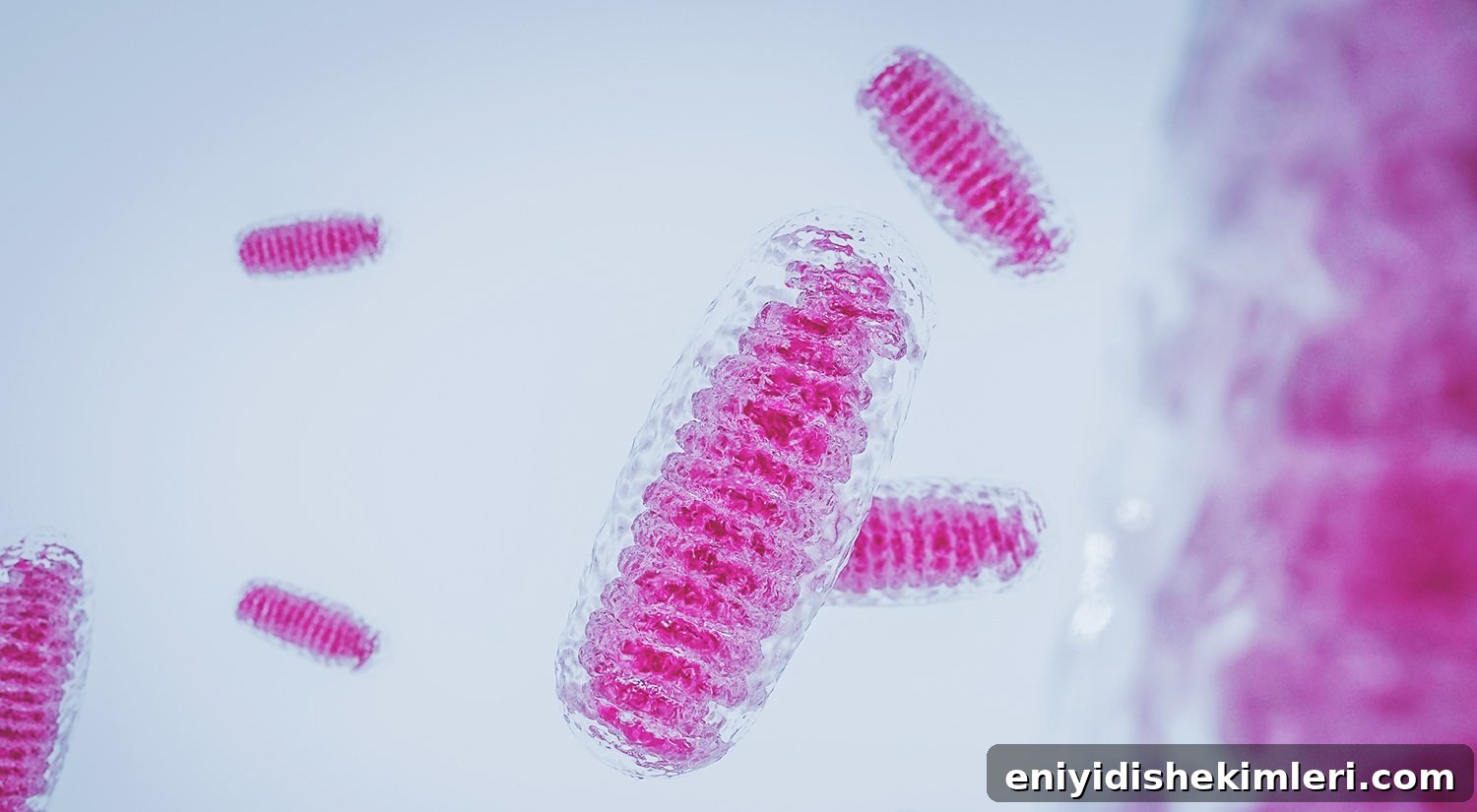
As a periodontist who enjoys telling a story, I want to explain how mitochondria influence periodontal disease.
Imagine a science-fiction scenario: bacteria invade a host and eventually become part of a complex, functioning organism — us. That is not fiction. It describes how mitochondria came to live inside our cells and why they matter for health and disease.
Originally, bacteria entered primitive single-celled organisms and established a symbiotic relationship. Over millions of years this union allowed cells to develop dedicated energy-producing organelles. Those once-independent bacteria evolved into mitochondria, the tiny powerhouses inside nearly every human cell.
The First Living Organisms
Life on Earth began billions of years ago as simple, single-celled organisms. Some early bacteria generated energy by metabolizing organic compounds and produced waste gases such as carbon dioxide and hydrogen. Other cells relied on those gases for nourishment.
At a pivotal point, some energy-producing bacteria entered host cells that could not make their own energy efficiently. Rather than being destroyed, these bacteria settled inside and provided energy for the host. That partnership enabled host cells to grow more complex and eventually form multicellular life.
Through gradual evolution, those internalized bacteria became mitochondria. Today, nearly every human cell (except mature red blood cells) contains mitochondria embedded in the cytoplasm. Some cells, like heart muscle cells, contain thousands of mitochondria to meet high energy demands. If mitochondria fail, cells and organs malfunction, causing illness and, ultimately, death.
Functions of Mitochondria
Mitochondria are best known as the cell’s batteries: they produce ATP, the energy currency that keeps cells functioning. But their role goes beyond energy production. Mitochondria generate heat when needed, participate in calcium signaling, and initiate programmed cell death (apoptosis) when a cell is irreparably damaged.
They also contribute to metabolic functions such as insulin regulation, cholesterol and steroid synthesis, and other specialized tasks in different tissues. Mitochondria closely interact with other organelles, like peroxisomes, to maintain cellular balance.
Energy production carries a cost: mitochondria produce reactive byproducts often called free radicals. These free radicals must be neutralized by antioxidant systems. If free radicals overwhelm defenses, mitochondria suffer damage, impairing the host cell’s function. Damaged mitochondria can compromise liver cells, brain cells, gum tissue cells, and more. In severe cases, dysfunctional cellular control may contribute to uncontrolled cell growth.
Periodontal Disease & Mitochondria
When mitochondria function properly, cells remain healthy. Problems arise when mitochondria become compromised and dysfunctional. Increasing research links mitochondrial dysfunction to many chronic conditions, including periodontal disease.
Maintaining mitochondrial health is therefore essential for oral health. Nutrient-rich diets, appropriate exercise, restorative sleep, and stress reduction all support mitochondrial function. The gut microbiome also plays a key role: beneficial gut bacteria produce metabolites, including short-chain fatty acids, that nourish mitochondria and the cells lining the colon, while promoting microbial diversity.
Because mitochondria evolved from bacteria, there is meaningful cross-communication between our gut microbiome and the mitochondria within our cells. One important nutrient produced by healthy gut bacteria is vitamin K2. Found also in fermented foods, organ meats, egg yolks, and grass-fed dairy, vitamin K2 supports mitochondrial energy production.
Mitochondria can malfunction when necessary nutrients are lacking, when the balance of energy production and free radical generation favors oxidative damage, or when mitochondria cannot repair themselves or replicate sufficiently within a cell. Environmental toxins and certain medications can also damage mitochondria. Examples include endocrine disruptors (xenoestrogens), acetaminophen, statin medications, glyphosate, heavy metals such as lead, mercury, and aluminum, and other factors that irritate the gut.
Protocol to Support Mitochondria & Gum Health
Translating this science into clinical care, supporting mitochondrial health should be part of periodontal therapy. Treating active periodontal infection and inflammation may require medications and local therapies to control acute disease. Teaching patients effective oral hygiene tailored to their mouths is essential.
When periodontal disease has damaged jawbone around teeth, regenerative approaches such as the LANAP (Laser-Assisted New Attachment Procedure) protocol can help stimulate bone regeneration and support long-term oral function.
Beyond local treatment, systemic support matters. I advise patients to eat nutrient-dense foods and avoid diets that damage the gut. To enhance mitochondrial and gut health, three targeted supplements can be helpful: a spore-based probiotic to support a resilient microbiome, a vitamin K2 supplement to boost mitochondrial energy capacity, and a blend of prebiotic fibers to feed beneficial gut bacteria.
Combining active periodontal therapy with strategies that protect and nourish mitochondria and the gut microbiome offers a comprehensive approach to treating periodontal disease and supporting overall health.
The Bottom Line
Healthy mitochondria are fundamental to healthy gums and to overall wellbeing. When mitochondria are supported through diet, lifestyle, gut health, and appropriate clinical care, the connections between oral and systemic health can be repaired and strengthened.
If desired, professional consultation can provide individualized guidance on nutrition and targeted supplements to support mitochondrial and periodontal health.
References
- Kramer, P., & Bressan, P. (2018). Our (mother’s) mitochondria and our mind. Perspectives on Psychological Science, 13(1), 88-100.
- Friedman, J. R., & Nunnari, J. (2014). Mitochondrial form and function. Nature, 505(7483), 335-343.
- Liu, Y., Long, J., & Liu, J. (2014). Mitochondrial free radical theory of aging: Who moved my premise?. Geriatrics & gerontology international, 14(4), 740-749.
- Li, X., Wang, X., Zheng, M., & Luan, Q. X. (2016). Mitochondrial reactive oxygen species mediate the lipopolysaccharide-induced pro-inflammatory response in human gingival fibroblasts. Experimental Cell Research, 347(1), 212-221.
- Georgieva, E., Ivanova, D., Zhelev, Z., Bakalova, R., Gulubova, M., & Aoki, I. (2017). Mitochondrial dysfunction and redox imbalance as a diagnostic marker of “free radical diseases”. Anticancer Research, 37(10), 5373-5381.