
According to the National Sleep Foundation, about 90 million Americans snore. While it may seem like a minor annoyance, snoring can indicate more serious health issues.
Numerous studies show that poor sleep quality negatively affects many aspects of health, from weight gain to impaired cognitive function. Snoring is often the most obvious sign that your sleep is disrupted.
I use the term “sleep ability” to describe a person’s capacity to breathe uninterrupted during sleep. Improving sleep ability—and reducing or eliminating snoring—is one of the most effective ways to enhance overall wellness, including oral and dental health.
Why Is Snoring Harmful?
Beyond disturbing a bed partner, snoring can be a symptom of sleep apnea, a condition that reduces airflow during sleep. Sleep-disordered breathing is becoming more common; some research suggests a high prevalence among women.
There are two main types of sleep apnea. Obstructive sleep apnea (OSA) occurs when the upper airway becomes blocked, significantly reducing or stopping airflow. Central sleep apnea involves a failure of the brain to signal the body to breathe.
From a health perspective, sleep apnea raises the risk of daytime sleepiness, trouble concentrating, high blood pressure, heart attack, and stroke.
Recent research also reveals a direct link between sleep quality and oral health.
A 2017 survey of dental students found that poorer oral health was associated with more sleep disturbances and fatigue. The study also noted that consistent flossing correlated with better-rested participants.
How Poor Sleep Affects Oral and Dental Health
If you have obstructive sleep apnea, you may be grinding your teeth. A 2015 study linked episodes of bruxism (teeth grinding) with occurrences of obstructive sleep apnea, suggesting apnea can trigger or worsen grinding.
Teeth grinding is a way the body sometimes forces itself to breathe again. Although it may restore airflow, grinding damages teeth and jaw structures, contributes to gum recession, raises the risk of cavities and tooth sensitivity, and can cause chronic jaw pain.
Snoring often coincides with mouth breathing, which brings additional oral health problems.
Mouth breathing dries the mouth, reducing saliva flow. Saliva plays a vital role in remineralizing teeth and helping to repair early decay. A consistently dry mouth increases the risk of cavities and enamel erosion.
Mouth breathing also lowers oral pH, making the mouth more acidic. This acidic environment promotes enamel wear similar to frequent consumption of acidic beverages, accelerating tooth damage.
Dry mouth can also lead to bad breath because harmful bacteria grow more readily without adequate saliva.
Large-scale research involving nearly 30,000 patients—more than 11,000 of whom had sleep disorders—found that sleep-disordered patients had higher rates of gingivitis. Gum disease may also increase cardiovascular risk.
In short, mouth breathing and poor sleep associated with snoring negatively affect the oral microbiome and overall oral health.
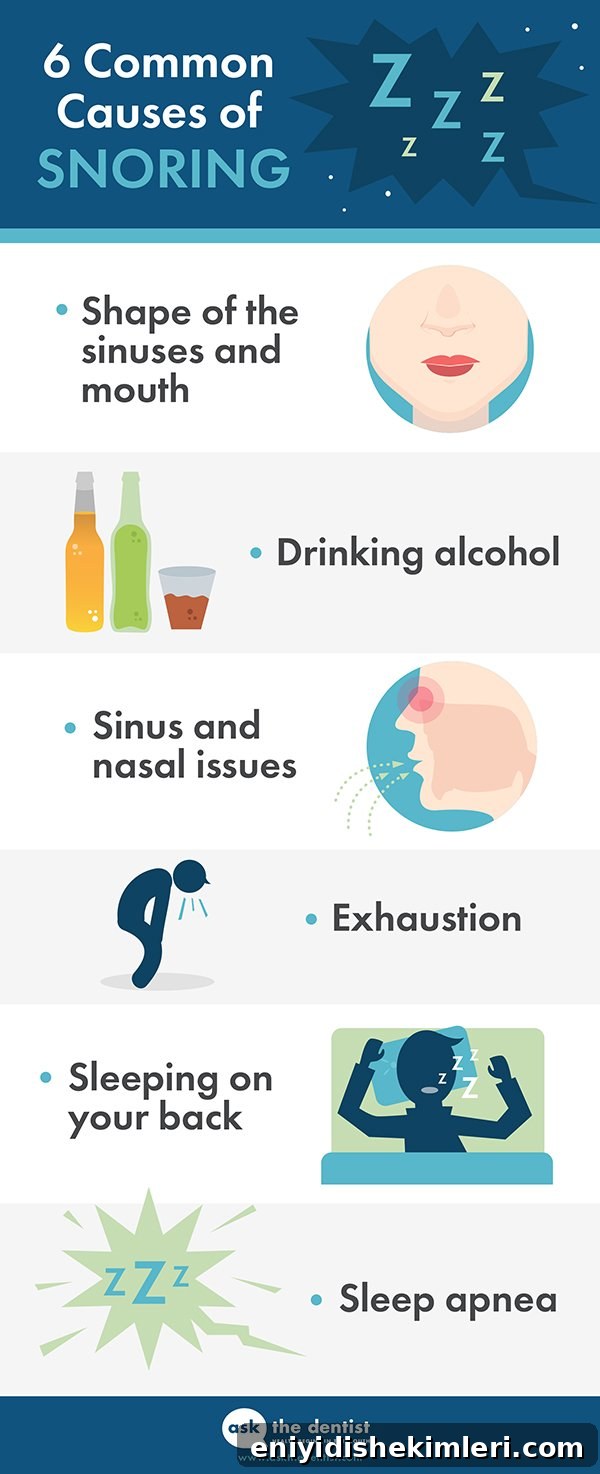
Six Common Causes of Snoring
Snoring usually begins when you drift from light into deeper sleep and muscles in the soft palate, tongue, and throat relax. This relaxation narrows the airway and creates the vibrating sound of snoring. The more blocked the airway, the louder the snore.
Not everyone snores, so specific factors increase the likelihood of airway collapse during sleep. Common causes include:
1. Anatomical Structure
The airway is narrow and bends from the mouth to the throat. When the surrounding muscles relax during sleep, this bend can cause partial obstruction. Enlarged tonsils, large sinuses, or other anatomical variations can worsen the problem.
2. Alcohol
Alcohol relaxes throat and mouth muscles, increasing the chance of snoring.
3. Nasal and Sinus Problems
Congestion or a deviated septum can impede airflow through the nose and contribute to snoring.
4. Exhaustion
Extreme tiredness causes deeper muscle relaxation during sleep, which can increase snoring.
5. Sleep Position
Lying flat on your back allows gravity to narrow the throat, making snoring more likely.
6. Sleep Apnea
Sleep apnea either blocks the airway or disrupts the brain’s breathing signals, and snoring often accompanies the body’s struggle to breathe.
How Can You Tell If You Snore?
The simplest way to find out is to ask a partner, roommate, or someone who sleeps nearby. Many people only learn they snore when someone else hears them.
If you want a more formal assessment, your doctor or dentist may recommend a sleep study. A sleep study can identify whether sleep apnea or other disorders are causing your snoring. Home sleep studies are often an option and can be more convenient and less costly than in-lab studies.
There are also several apps and consumer devices that track sleep and record snoring. These tools can give you an idea of how much you snore and whether professional evaluation is warranted.
One commonly used app is SnoreLab, available for Apple and Android. It records snoring and provides data that can help determine whether further evaluation is needed.
Download SnoreLab (iPhone)
Download SnoreLab (Android)
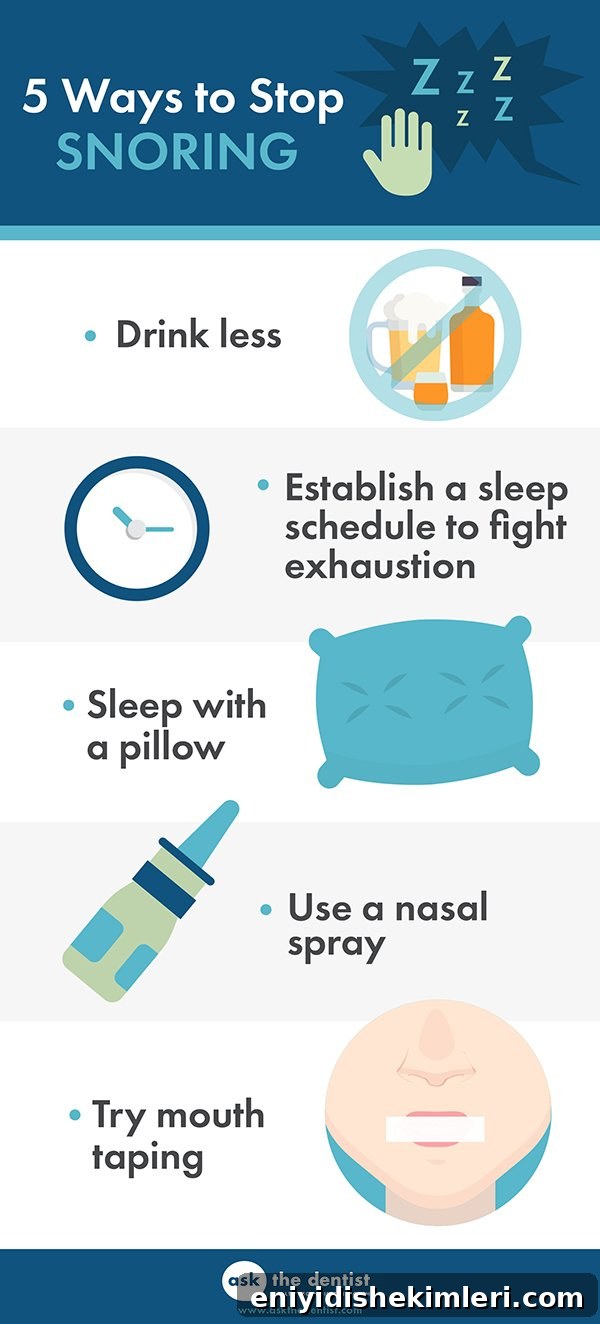
Effective Ways to Reduce or Stop Snoring
It may take trial and error, but the following strategies can significantly reduce snoring and improve sleep quality.
1. Drink Less Alcohol
Avoid alcohol, especially in the hours before bedtime.
2. Keep a Consistent Sleep Schedule
Maintain regular sleep times to avoid extreme exhaustion that can worsen snoring.
3. Elevate Your Head
Using an extra pillow or elevating the head of the bed can reduce airway collapse, particularly if you sleep on your back.
4. Use a Nasal Spray When Needed
If congestion contributes to your snoring, a nasal spray can help open nasal passages and improve breathing.
My Pick
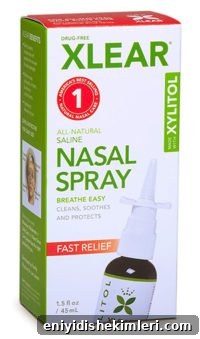
Xlear Nasal Spray
5. Consider Mouth Taping
Mouth taping encourages nasal breathing during sleep, which can reduce snoring and support better overall health. If mouth taping feels uncomfortable or you instinctively remove the tape, consult an ear, nose, and throat specialist to evaluate nasal airflow and rule out underlying issues.
Use products designed for mouth taping rather than improvised adhesives to avoid skin irritation.
My Pick

Somnifix Sleep Strips
Final Thoughts
Dentists and sleep specialists are increasingly aware of how poor sleep and snoring affect oral health. If snoring is a concern, talk with your dentist or doctor to identify the root cause and address it appropriately. Improving sleep quality benefits oral health and overall wellbeing.
Want to learn more? Check out my #1 Amazon bestselling book, The 8-Hour Sleep Paradox.
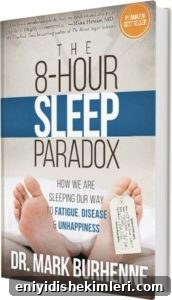 This book explains how to improve sleep quality. A simple program can help you:
- Support a healthy weight by reducing appetite
- Slow aspects of the aging process
- Wake up refreshed and energized
- Improve concentration and mental focus
- Eliminate daytime sleepiness and brain fog
Get your copy now!