An “anti-nutrient” found in seeds, roots, and bran can have a meaningful effect on your dental health. Phytic acid, a compound present in many grains and plant foods, can significantly reduce your body’s ability to absorb minerals that are essential for strong teeth.
Phytic acid occurs only in plant-based foods, so you may be consuming more than you realize. It has antioxidant properties, but when it binds with minerals it forms complexes that the body cannot absorb.
These mineral–phytic acid complexes are called phytates.
If you’re wondering whether phytic acid is good or bad for your teeth, here are two points to keep in mind:
- Phytic acid can be harmful to dental health because it impairs absorption of calcium, magnesium, and phosphorus—minerals critical for teeth and bone.
- There are effective ways to reduce phytic acid in foods so it doesn’t interfere with mineral absorption and tooth remineralization.
What is Phytic Acid?
Phytate (the salt form of phytic acid) naturally occurs in plants—especially in cereal grains—and is capable of forming insoluble complexes with minerals such as calcium, zinc, and iron, reducing their absorption by the body. Also called inositol hexaphosphate (IP6), phytic acid is how seeds and grains store phosphorus for growth.
In practical terms: phytate lowers your body’s ability to absorb certain minerals while you are eating foods that contain it. That means if you eat a nutrient-rich meal that’s free of phytic acid, you can still absorb those nutrients even if you consumed phytic acid foods earlier in the day. Conversely, many phytic-acid-containing foods also provide valuable nutrients that you might miss out on unless you reduce their phytic acid content.
Besides its anti-nutrient effects, phytic acid has biological benefits. Research suggests it has antioxidant activity and may play roles in reducing cancer cell growth, improving some metabolic markers, lowering the risk of kidney stones, and binding heavy metals. Despite those benefits, its mineral-binding activity is the main concern for dental health.
Which nutrients does phytic acid block?
Phytic acid most commonly binds to and reduces absorption of:
- Calcium
- Zinc
- Iron
- Copper
- Phosphorus
- Magnesium
- Niacin (vitamin B3)
Phytic acid can also inhibit digestive enzymes—such as pepsin, amylases, and trypsin—affecting the digestion of proteins, starches, and some fats. Other plant-derived anti-nutrients include lectins, saponins, tannins, protease inhibitors, and oxalates, which likewise can influence nutrient availability.
Is phytic acid good or bad?
There’s no simple answer: phytic acid has both beneficial and harmful properties. Small amounts are fine and can even be protective, but high intake—especially when combined with low dietary mineral intake—can contribute to deficiencies and dental problems like cavities.
How Phytic Acid Can Lead to Cavities
Your teeth rely on calcium, phosphorus, copper, and vitamin D to build and repair enamel and the supporting alveolar bone. When these minerals are deficient, teeth cannot remineralize effectively. Remineralization is the process by which teeth regain minerals lost during normal acid attacks from food, bacteria, and acids.
If your diet or digestive environment prevents adequate mineral absorption—because phytic acid is binding those minerals—your teeth may demineralize faster than they can recover. Over time, that imbalance increases the risk of cavities. This is especially concerning if vitamin D is also low, since vitamin D helps the body absorb calcium.
Older adults and some other groups may be more susceptible to mineral deficiencies and may not always correct them easily with supplements alone.
Common Phytic Acid Foods
Phytic acid is abundant in many nutritious plant foods. Major sources include:
Whole grains
- Maize (corn, especially germ)
- Wheat (bran and germ)
- Rice (bran)
- Barley
- Sorghum
- Oats
- Rye
- Millet
- Wild rice
Legumes
- Kidney beans
- Pinto beans
- Navy beans
- Broad beans
- Peas
- Cow peas
- Black-eyed peas
- Chickpeas
- Lentils
Nuts
- Peanuts
- Walnuts
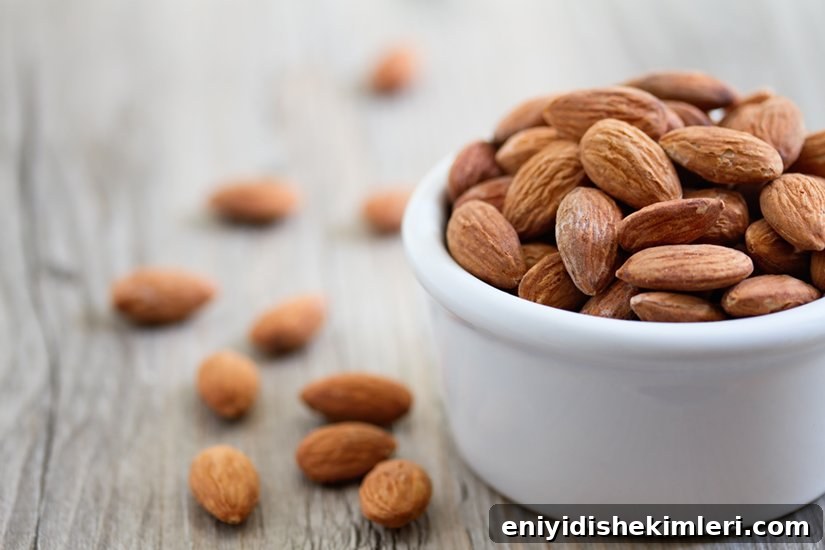
- Almonds
- Cashews
- Brazil nuts
- Pistachios
- Hazelnuts
- Macadamias
- Pecans
- Pine nuts
Plant-based oils and meals
- Soybean
- Linseed
- Sesame seed
- Rapeseed
- Sunflower meal
How to Reduce Phytic Acid in Foods
Phytic acid isn’t something you need to eliminate entirely—many phytic-acid foods are nutrient-dense. Instead, use food preparation methods that reduce phytate while preserving the benefits of these foods. Effective techniques also lower other anti-nutrients.
1. Soak your grains and legumes
Soaking activates the grain or seed’s natural phytase enzyme, which helps break down phytic acid and frees bound minerals. Rinse thoroughly before soaking, especially for commercially processed grains.
2. Sprout grains and seeds
Allowing soaked grains to sprout further reduces phytate content. Sprouted products are also available commercially and can be a convenient choice.
3. Ferment
Fermenting flours, breads (sourdough), and other grain-based products can reduce phytic acid and improve mineral availability.
4. Consider phytase supplements
When deficiency risk is high, phytase supplements can help break down phytic acid and improve mineral absorption.
5. Time your intake
Phytate doesn’t remain in the body long. Eating nuts, seeds, or grains as snacks between meals rather than with every meal reduces their interference with mineral absorption from other foods.
Who’s Most at Risk?
Most people consuming a varied diet are unlikely to develop mineral deficiencies from phytic acid alone. Nevertheless, certain groups should be more cautious:
- Children under six years old
- Pregnant women
- People with diagnosed iron deficiency
- Strict vegetarians and vegans
Plant-based diets often include phytic-acid foods at nearly every meal, and the iron present in plants is less bioavailable than iron from animal sources. Those already low in iron or other minerals should use preparation methods and dietary strategies to improve mineral absorption.
Other Ways to Support Dental Health and Remineralization
Reducing anti-nutrients is only one part of protecting teeth. Good dental hygiene and dietary habits matter too. Helpful practices include:
- Correct nasal breathing during sleep—avoiding mouth breathing helps maintain saliva and a healthier oral environment.
- Following a nutrient-dense diet—many people find lower-sugar, whole-food approaches such as paleo-style or low-carb diets helpful for oral health.
- Using remineralizing toothpaste or products designed to support enamel repair.
- Practicing oil pulling or other oral microbiome–supporting routines to reduce harmful bacteria.
- Regularly scraping or cleaning the tongue to reduce bacterial load.
Conclusion
Phytic acid is a complex compound: it acts as an antioxidant and has potential health benefits, but it also binds key minerals—calcium, magnesium, phosphorus, zinc, and iron—reducing their absorption. Excessive phytate, especially in the context of low dietary mineral intake, can hinder tooth remineralization and increase cavity risk.
Use simple food preparation techniques—soaking, sprouting, fermenting, timing phytic-acid foods between meals, or using phytase—to reduce phytate’s impact while still enjoying the nutritional benefits of grains, legumes, nuts, and seeds. Those most sensitive to phytic acid include young children, pregnant women, people with iron deficiency, and strict vegetarians or vegans.
What other questions do you have about phytic acid and dental health?