
E-Cigarettes Question: I was never really a smoker, but I’ve used an e-cigarette for about two years and these days I put very little nicotine in it (I dropped from 18 mg to roughly 4–6 mg over the past year). I’ve always had healthy teeth, but recently I noticed my gums are receding—especially on the side I usually “vape” from. My teeth seem unaffected, but could vaping be harming my gums? What should I be doing beyond flossing and gentle brushing to keep my gums healthy or stop the recession?
Answer: E-cigarettes can feel like a safer alternative to traditional cigarettes: they don’t burn tobacco, they produce an aerosol rather than smoke, and they let you inhale nicotine without the smoke and tar of combustible cigarettes. However, e-cigarettes are not benign, and research on their long-term effects is still incomplete.
In 2014 the U.S. Food and Drug Administration noted that e-cigarettes had not been fully studied, so consumers cannot be certain about the risks, the amount of nicotine or other chemicals being inhaled, or any long-term benefits or harms associated with these products. Ongoing clinical studies are working to clarify these issues, but at present there is no definitive consensus.
Even at lower nicotine levels, vaping can negatively affect gum health because nicotine itself has harmful effects on oral tissues.
What Are the Effects of Nicotine on Gum Health?
Research has shown that nicotine—regardless of whether it comes from cigarettes, vaping, or other nicotine products—can damage the mouth, gums, and tongue. Reports in dental and periodontal literature indicate nicotine can contribute to gingivitis and periodontitis, conditions that lead to inflammation, bad breath, and systemic health consequences when left untreated.
Here are the main ways nicotine can affect your oral health:
Nicotine Causes Gum Recession
Nicotine is a vasoconstrictor, meaning it reduces blood flow. When blood flow to the gums is restricted, the tissues receive less oxygen and fewer nutrients. Over time this deprivation can weaken gum tissue and contribute to gum recession and tissue breakdown.
Nicotine Masks Symptoms of Gum Disease
Online you may find personal accounts claiming improvements in gum health after switching to e-cigarettes. One reason for such reports is that nicotine reduces blood flow and can suppress common signs of gum disease—particularly bleeding and swelling—making the condition less obvious to both patients and clinicians.
Bleeding and swelling are important diagnostic clues for gum disease because inflamed gums are richly supplied with blood. When nicotine constricts those blood vessels, the gums may appear healthier than they really are. This masking effect can delay diagnosis and treatment, allowing disease to progress unnoticed.
Even long-term use of nicotine gum or other noncombustible nicotine sources can produce similar effects.
Nicotine Promotes Dry Mouth and Bad Breath
By constricting blood vessels and reducing salivary flow, nicotine contributes to dry mouth. Reduced saliva increases the risk of bacterial overgrowth, bad breath, and tooth decay, since saliva helps neutralize acids and clear food debris.
Nicotine Increases Teeth Grinding
Nicotine is a stimulant and can increase muscle activity. If you grind your teeth, nicotine may worsen the grinding or lead to new grinding habits, which in turn can accelerate tooth wear and worsen gum problems.
My Recommendation
If you vape or use nicotine in any form, be proactive about gum health. Because nicotine can hide the usual warning signs of periodontal disease, you need a more careful monitoring routine than someone who does not use nicotine.
Dentists measure gum disease progression with pocket readings. “Pockets” are the spaces between the gum line you see and the point where the gum and tooth attach deeper down; deeper pockets indicate loss of attachment and greater disease severity.
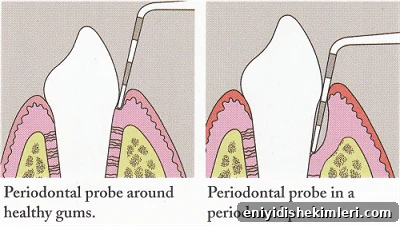
Because nicotine can mask bleeding and other signs, I recommend visiting your dentist every three months for periodontal evaluation and pocket measurements while you continue using nicotine. More frequent monitoring helps detect problems earlier and reduces the chance of tooth loss, bone loss, and progressive gum recession.
The most effective way to protect your gums is to eliminate nicotine entirely. I know that’s difficult for many people, but stopping nicotine removes the main cause of these vasoconstrictive and tissue-damaging effects and gives your gums the best chance to heal and remain healthy.
Mark Burhenne DDS
References
- Javed, F., Kellesarian, S. V., Sundar, I. K., Romanos, G. E., & Rahman, I. (2017). Recent updates on electronic cigarette aerosol and inhaled nicotine effects on periodontal and pulmonary tissues. Oral Diseases, 23(8), 1052–1057.
- Malhotra, R., Kapoor, A., Grover, V., & Kaushal, S. (2010). Nicotine and periodontal tissues. Journal of Indian Society of Periodontology, 14(1), 72.