Toothache pain ranges from a mild nuisance to a severe disruption of daily life. While only a dentist can diagnose and treat serious dental problems, there are safe home remedies you can try for temporary relief until you can get professional care.
The most effective remedy depends on the cause. For example, exposed nerve pain often responds to a topical anesthetic or clove oil, while pain from an infected tooth or abscess may need an anti-inflammatory or analgesic such as ibuprofen.
Common home remedies that can provide relief include:
- Salt water rinse
- Painkillers (OTC)
- Benzocaine topical gel
- Clove oil
- Elevation while resting
- Cold compress
- Acupressure or acupuncture
- Peppermint tea
- Knotted floss for stuck food
- Guava leaves
- Wheatgrass juice rinse
If your pain is severe, lasts more than 48 hours, or is accompanied by swelling, fever, difficulty breathing/swallowing, or facial distortion, contact your dentist or seek emergency care immediately.
1. Salt Water Rinse
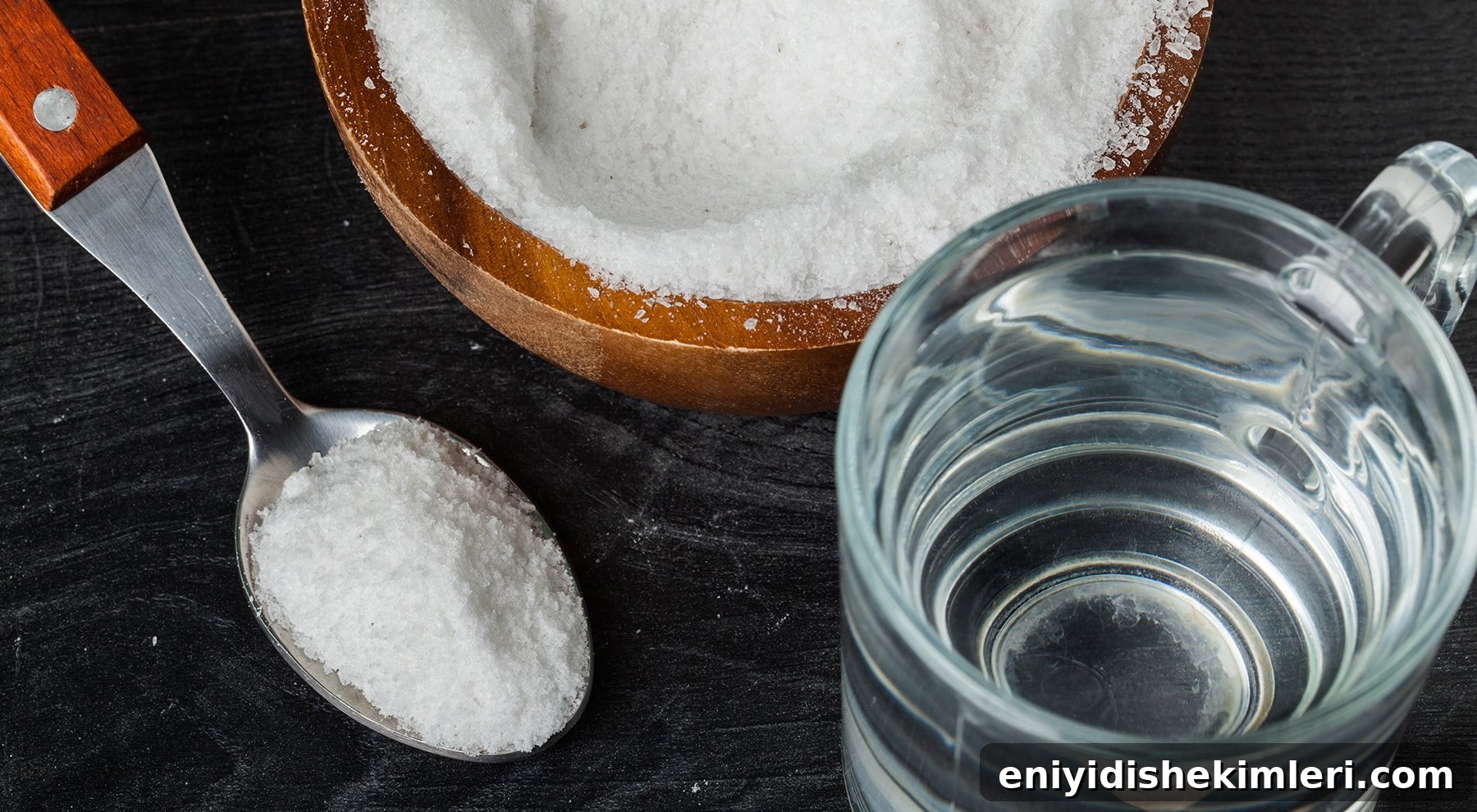
A warm salt water rinse is one of the simplest and most effective ways to ease many types of tooth and gum pain.
To make a supersaturated salt rinse:
- Use a glass of warm (not boiling) water.
- Add a tablespoon of sea salt or Himalayan salt at a time.
- Keep adding salt until it stops dissolving.
- Swish gently for 30–60 seconds.
- Repeat 4–5 times a day as needed.
This rinse helps reduce gum inflammation and can remove small irritants lodged between teeth and gums.
2. Painkillers
Over-the-counter pain relievers commonly used for dental pain include:
- Ibuprofen (Advil)
- Aspirin
- Acetaminophen (Tylenol)
NSAIDs like ibuprofen are generally more effective for dental pain because they reduce inflammation as well as pain. Combining acetaminophen and ibuprofen can be helpful in some cases but should be done cautiously and preferably under professional advice. Use painkillers only as a temporary measure until you can see a dentist.
3. Benzocaine
Benzocaine is a topical anesthetic that can provide quick, short-term relief when applied to the painful area. Higher-concentration gels (for example, 20%) are more effective than lower concentrations, but effects typically last only about two hours and may require reapplication.
Do not use benzocaine products for more than a day or two without consulting a dentist. They are not recommended for children under two years old due to rare but serious risks.
4. Clove Oil
Clove oil contains eugenol, a natural compound with anesthetic and antibacterial properties. Applied sparingly on a cotton swab to the affected area, it can soothe nerve pain, especially when the nerve inside a tooth is exposed.
Use clove oil for only a short period—no more than a couple of days—because it can disrupt the oral microbiome and, in some formulations, contain synthetic additives. Apply carefully so the oil contacts the irritated tissue.
5. Elevation
Keeping your head elevated above your heart reduces blood flow to an inflamed area and can decrease throbbing pain at night. Sleeping with a wedge pillow or stacked pillows often improves comfort for those suffering a toothache or dental abscess.
6. Cold Compress
A cold compress applied to the cheek near the painful tooth constricts blood vessels and reduces swelling and pain. Use a bag of frozen peas or ice wrapped in a thin cloth and apply for 15–20 minutes at a time. Some people prefer a gel pack that stays flexible and can be left in place without holding it.
7. Acupressure/Acupuncture
Acupressure and acupuncture have evidence supporting their ability to reduce dental pain, assist as local anesthetics during procedures, and relieve related issues such as TMJ pain and postoperative discomfort. Seek treatment from a qualified practitioner for best results.
8. Peppermint Tea
Peppermint has mild antibacterial and numbing properties. Brew a cup, let it cool, then swish it around your mouth or apply the cooled tea bag to the painful spot for temporary relief.
9. Knotted Floss
If a piece of food is trapped between teeth, a piece of knotted floss can help dislodge it and provide quick relief. If your pain is localized between two teeth and the gums are tender there, try this before turning to medicines.
10. Guava Leaves
Traditional and laboratory studies suggest guava leaves have antibacterial and anti-inflammatory effects. Chewing fresh leaves or boiling them to make a rinse can soothe sore gums and may help reduce bacteria that contribute to pain.
11. Wheatgrass Juice
Swishing wheatgrass juice as a mouthwash is a traditional remedy thought to reduce inflammation. It has limited clinical testing, so consider it as a gentle adjunct rather than a primary treatment.
How to Sleep with a Toothache
Nighttime tooth pain often worsens because lying flat increases blood flow to the head. To minimize discomfort before sleep:
- Rinse with salt water after brushing
- Take an appropriate pain reliever 30–45 minutes before bed
- Keep your head elevated with pillows or a wedge
- Apply a cold compress before lying down
- Reduce mouth breathing, which can dry the mouth and worsen pain
- For significant pain, use a topical anesthetic shortly before sleep, following product instructions
Home Remedies to Avoid
Some commonly suggested remedies are harmful or unsupported by evidence. Avoid:
- Hydrogen peroxide rinses — they can disrupt oral tissues and the microbiome and offer no reliable pain relief.
- Vanilla extract — high in alcohol but not a proven, safe treatment.
- Garlic applied directly — lacks reliable evidence for toothache relief.
- Alcoholic beverages or rubbing alcohol — not effective and potentially harmful.
- Bleach — highly corrosive and dangerous to oral tissues.
- Crushing and applying aspirin to the gums or tooth — can cause chemical burns and tissue damage.
Causes of Toothache
Common causes of tooth pain include:
- Cavities (tooth decay)
- Tooth abscess or infection
- Fractured or cracked tooth
- Root sensitivity or exposed dentin
- Teeth grinding (bruxism)
- Broken or lost filling
- Wisdom tooth eruption
- Gum disease or gingivitis
- Sinus infection causing referred pain
- TMJ disorders
- Failed dental work
- Food trapped between teeth
Any pain that follows recent dental work should be discussed with your dentist promptly.
Toothache Prevention
To reduce the risk of painful dental problems:
- Maintain good oral hygiene: brush, floss, and clean your tongue regularly.
- Use a toothpaste that supports enamel repair and reduces sensitivity.
- Consider an electric toothbrush for more effective cleaning if you are prone to cavities or gum disease.
- Eat a nutrient-dense, low-sugar diet to limit plaque and decay.
- Address dry mouth, which increases cavity risk, by staying hydrated and reducing mouth breathing.
- Avoid excessive acidic foods and drinks.
- Keep regular dental checkups so small issues are fixed before they become painful.
- Wear a mouthguard for sports or if you grind your teeth.
- Use teeth only for chewing—don’t use them to open packages or bite non-food items.
When to See Your Dentist
Contact your dentist if:
- Pain prevents normal activities like eating or sleeping
- Pain lasts two or more days
- You have fever, ear pain, or difficulty opening your mouth
- Your face looks swollen or distorted
- You have trouble breathing or swallowing
- You suffered trauma to the teeth, jaw, or face
- Your gums bleed daily or you notice new oral symptoms after dental work
Localized pain in a single tooth usually signals an underlying dental issue that requires professional evaluation. The sooner a dentist assesses the problem, the more likely treatment will be simple and less invasive.
“In regards to a toothache, I would rather my patients err on the side of caution and call as soon as possible. Usually, by the time a tooth aches, some type of disease process has been in the works for quite a while. The sooner we can address these issues, the less invasive and less costly the treatment will be.”
References
- Selected clinical and review studies on analgesics, benzocaine, clove oil, acupuncture, peppermint, guava leaves, and traditional remedies have informed these recommendations.