This newsletter is brought to you by our sponsor, BIOptimizers (makers of my all-time favorite magnesium supplement)

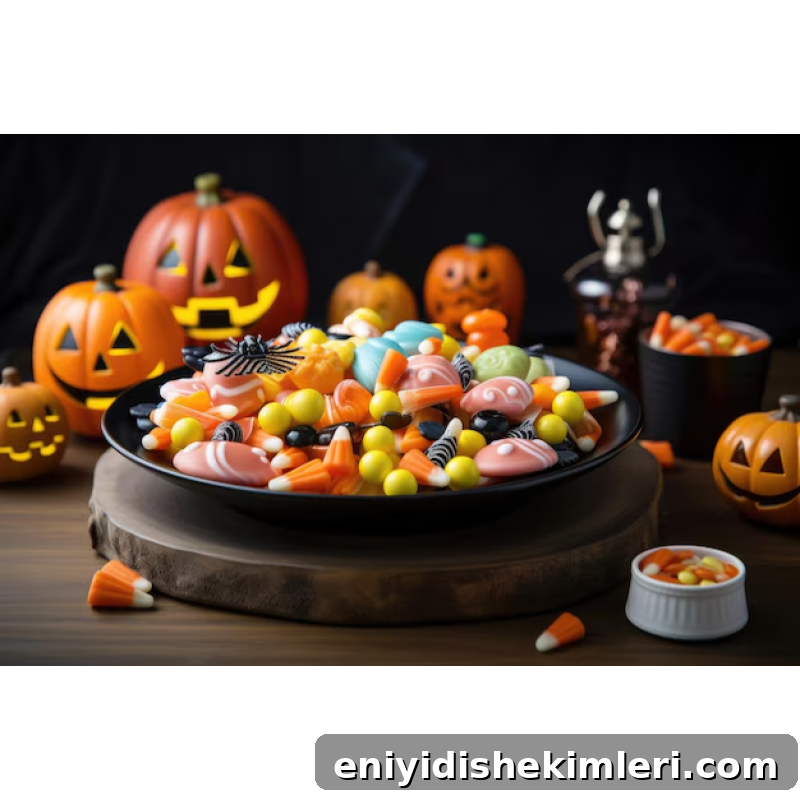
As a dentist, you might expect me to worry mostly about cavities on Halloween. In reality, my bigger concern is how celebrating with an emphasis on candy can teach children an unhealthy relationship with food and contribute to broader problems like excess sugar consumption and exposure to artificial colors.
Think back to your own childhood — the excitement of dressing up and collecting candy from the neighborhood. We happily gathered handfuls of sweets, even though we were reminded the rest of the year not to accept treats from strangers. That contradiction sends confusing messages to kids.
In the U.S., consumers spend an estimated $2 to $4 billion annually on Halloween candy. That’s a huge number when you consider the impact on dental health and childhood obesity. Halloween is one of the country’s biggest commercial holidays, bringing in about $6.9 billion each year — larger than holidays like Valentine’s Day.
Some approaches meant to reduce harm make things worse. When dentists buy back candy, for example, it can unintentionally reinforce candy’s value in a child’s mind. If a dentist pays for a haul of candy, kids may assume it must be special or valuable.
Early in my career I handed out apples and toothbrushes. It felt right, but it didn’t resonate with kids for long. I quickly learned that trying to fight candy head-on is usually a losing battle for parents.
A better strategy is to emphasize the non-food parts of the holiday: the thrill of dressing up, carving pumpkins, reading spooky stories, watching age-appropriate Halloween films, or simply enjoying time with friends and family. These activities create memorable traditions that don’t center on sugar.
Focus on the experience rather than the candy. The more you build Halloween traditions around connection and fun, the less power candy has over your child.
Here are a few practical tips: serve a satisfying meal before trick-or-treating that includes healthy fats and protein to help curb hunger; keep water on hand to rinse away sugar between treats; and make sure kids brush and floss thoroughly before bed.
Moderation and planning go a long way. Halloween can remain a joyful tradition without fostering unhealthy habits. Consider swapping some candy for meaningful alternatives from the “Great Pumpkin” — books, an outing, a new toy, or an experience together. Teach children to appreciate real treats that support their well-being.
I’d love to hear what works for your family — reply to this email and share your strategies.
If you know another parent who might benefit from these ideas, please forward this letter to them.
Wishing you a safe and enjoyable Halloween!
Warmly,
Dr. Mark Burhenne

P.S. A sincere thank you to our sponsor, BiOptimizers Magnesium Breakthrough. This is my top supplement pick — something my wife and I both rely on. Magnesium plays a role in hundreds of bodily processes and many people are deficient. If you deal with insomnia, fatigue, headaches, or similar issues, magnesium could help.
BiOptimizers Magnesium Breakthrough includes seven forms of magnesium in one formula, along with co-factors designed to improve absorption so the nutrient reaches your cells effectively.
Right now there’s a 10% discount available, and the product is backed by a 365-day money-back guarantee so you can try it risk-free. With a large customer base and high satisfaction ratings, it’s an option worth considering. Use the code askthedentist for 10% off at checkout.