A parent wrote to me last week:
“We brush. We floss. We’ve switched toothpaste. But my kid still keeps getting cavities. What are we missing?”
I’ve heard that question hundreds of times, always spoken with the same blend of concern and guilt.
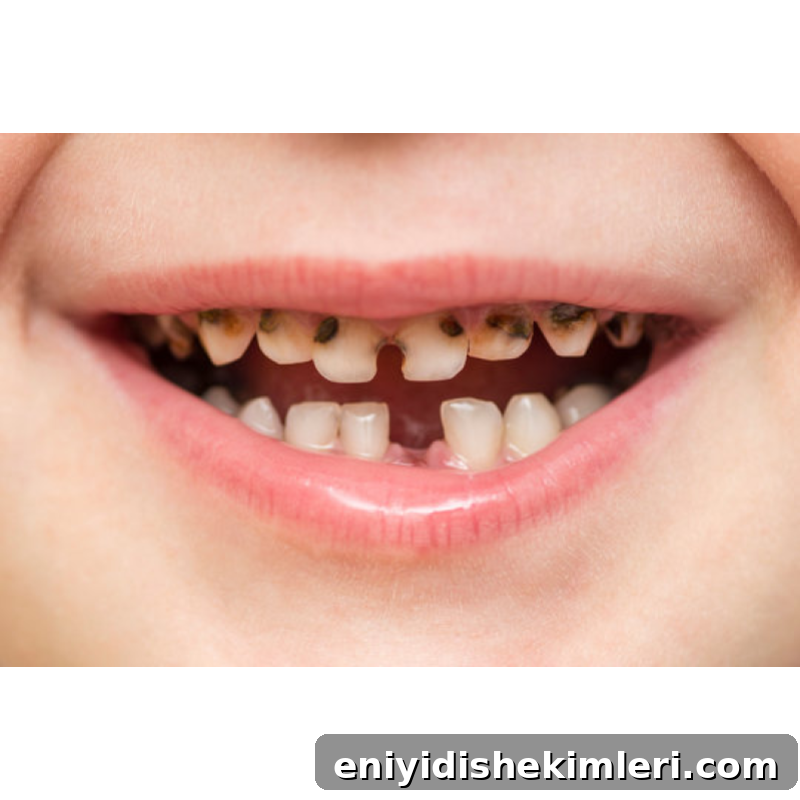
Here’s the truth: cavities aren’t just the result of poor brushing. They often come from everyday habits that seem harmless.
Goldfish crackers. Gummy vitamins. Mouths that stay open at night.
If you’ve done everything “right” and cavities keep appearing, this article is for you. Let’s review the things that actually change outcomes.
Start with the daily multivitamin.
Years ago, Flintstones gummies were common—my kids had them, and I brushed their teeth each night. Even with thorough care, I saw sticky film cling to their molars. Most families don’t have a dentist brushing their child’s teeth each night, so the risk is bigger now that gummies are everywhere: multivitamins, probiotics, melatonin, magnesium. They look healthy, but they weren’t designed with oral health in mind.
A tooth doesn’t care whether a chewable treat is labeled a vitamin or a candy; it reacts the same way.
If your child takes a gummy, consider switching to a dental-friendly option that avoids sugar and acidity. Sweeteners like monk fruit or other non-fermentable sweeteners won’t feed the bacteria that cause cavities or disrupt the oral microbiome. For families who’ve switched, this small change can make a noticeable difference.
Remember this: a daily gummy vitamin can cause more harm over time than an occasional sweet snack.
Now let’s talk about snacks.
Most parents know juice and soda are problematic. They’re often surprised when I mention crackers and similar starchy snacks.
Starchy foods like crackers and pretzels break down into sugar and can cling to the grooves of baby molars for hours. Those trapped particles are a common starting point for cavities.
You don’t need to ban snacks, but consider texture: will it stick to teeth? A quick personal test is to try the snack yourself—does it cling to your teeth?
Better choices are snacks that don’t adhere to teeth and have minimal added sugars or starches. Cheese is an excellent option: it doesn’t stick, supplies minerals, and helps stabilize oral pH. High-protein, low-carbohydrate snacks like plain meat sticks are also tooth-friendly.
Another useful tool is xylitol gum chewed between meals. Xylitol does more than reduce risk; it actively protects teeth by inhibiting cavity-causing bacteria and supporting a healthier oral environment. Some long-term studies show that regular xylitol use can lower cavity rates years later, and earlier, consistent use seems to strengthen that protective effect. Timing and consistency matter: chewing xylitol gum after meals or snacks can help the mouth recover and maintain balance.
Next: breathing.
If a child sleeps with their mouth open, brushing and flossing alone may not be enough. Mouth breathing dries oral tissues, lowers pH, and creates conditions that favor cavities.
You can retrain breathing habits gradually. One practical approach is using a gentle, kid-safe lip tape for short, supervised periods while the child is calm and focused, such as during quiet screen time. Start with 10–15 minutes and increase slowly. Screen time works well because the child is still and you can coach them without a struggle.
If a child cannot comfortably keep their mouth closed, consult a functional dentist or an airway-focused ENT. Underlying issues like tongue-tie, enlarged adenoids, or a narrow palate can make nasal breathing difficult and may require professional assessment and treatment.
And finally: water.
If a child isn’t drinking enough water, saliva production can fall, reducing the mouth’s natural defenses.
Saliva contains minerals that help rebuild enamel, buffers acids, and supports healing. After eating—especially carbohydrates—acid levels rise and pull minerals from enamel. Saliva delivers calcium and phosphate to remineralize teeth and can halt decay if it’s present in sufficient amounts.
When children are dehydrated, saliva slows, pH drops, and acid persists, giving bacteria a chance to thrive. This is often worse at night and for mouth breathers, who wake with dry mouths and less protection.
The solution is simple: encourage regular water intake, especially after meals and snacks. Make water appealing—a fun straw, a special bottle, or mild, non-acidic flavored electrolyte solutions with a near-neutral pH can help if plain water is resisted. Hydration supports saliva and helps the mouth naturally defend against cavities.
Brushing and flossing are important, but they’re only part of the equation.
If your child keeps getting cavities, don’t blame yourself. Look at daily habits: what they chew, snack textures, breathing patterns, and hydration. Small, targeted changes—one decision, one habit at a time—can shift the trajectory and prevent new decay.
If you know a parent struggling with recurrent cavities in their child, share this information. Seeing the link between everyday habits and tooth decay—and practical ways to fix them—can make a real difference.
Talk soon,
Mark (Dr. B)
Know someone who would appreciate this information?
Forward it to them and tell them to sign up for future emails.

P.S. Shown above: real-world testing by my grandkid panel. They adjusted to dental-friendly vitamins without complaint. One perk of being a dentist and a grandparent is recruiting honest testers. Finding a vitamin formulated without sugar or acidic ingredients can support the protective work you’re doing for your child’s mouth.