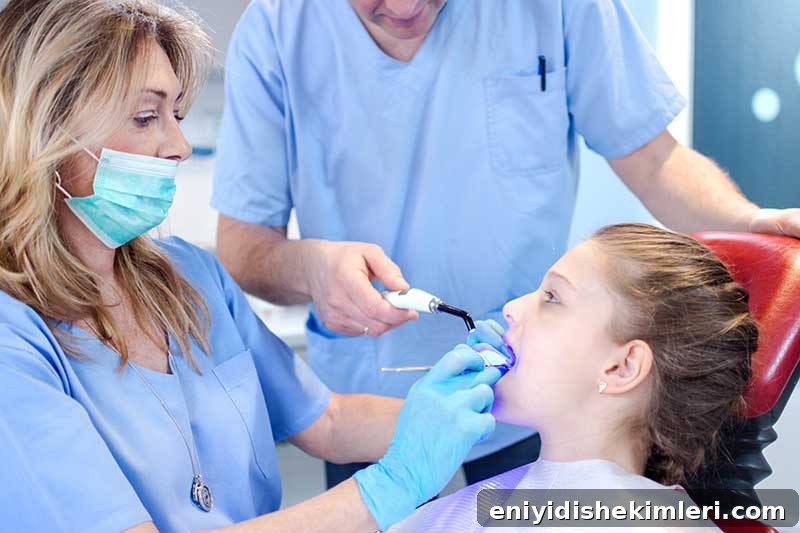
October is National Dental Hygiene Month, a time to raise awareness about proper oral care, including brushing and flossing techniques. It’s also an opportunity to recognize the vital work dental hygienists do: screening for disease, teaching prevention strategies, and performing professional cleanings that are essential to preventing oral and systemic disease.
To honor dental hygiene and the important role hygienists play in overall health, here are five essential habits for maintaining clean, healthy teeth.
Why Teeth Cleanings and Dental Hygiene Matter
Dental hygienists are among the most important—and often underappreciated—healthcare professionals. Their role goes far beyond cleaning teeth. Hygienists are on the front lines of oral healthcare, screening for conditions such as oral cancer and periodontal disease, and providing the preventive education patients need to maintain lifelong oral health.
Professional cleanings help reduce inflammation and infection that can affect not only the mouth but the rest of the body. Hygienists teach effective brushing and flossing techniques that prevent disease and contribute to a pain-free, healthy life. Because patients typically see hygienists more often than any other dental professional—often every six months—hygienists have a unique opportunity to educate and motivate patients toward better habits.
The physical work of a hygienist is demanding: they often maintain a single position while carefully removing plaque and calculus around teeth and gums. Hygiene is not permanent—just as bathing is not—so regular cleanings every six months are important to control bacterial buildup and maintain oral health.
In my practice, hygienists are essential collaborators. Their work ensures that dental treatment is complete and effective; without their expertise, patient care would be incomplete.
5 Essential Habits for Keeping Your Teeth Clean and Healthy
1. Straighten Your Teeth
Properly aligned teeth are easier to clean and tend to accumulate less plaque than crooked or crowded teeth. Straight teeth are simpler to floss and allow hygienists to clean more effectively. When teeth are crowded or twisted, cleaning instruments may not reach all surfaces, leaving bacteria behind. Orthodontic solutions—such as clear aligners—can improve alignment, hygiene, and long-term oral health.
2. Brush With the Right Technique
Hold your toothbrush like a pencil and use small, circular motions. Avoid excessive pressure—brushing too hard can wear away enamel and damage gums. If you use an electric toothbrush, follow the manufacturer’s instructions and use gentle guidance rather than scrubbing.
3. Floss At Least Once Daily
Brushing cleans the outer and inner surfaces of teeth, but flossing removes plaque and debris between teeth where a brush can’t reach. Think of it like painting a fence: you wouldn’t leave the sides unpainted. Flossing completes the job and helps prevent cavities and gum disease in the contact areas between teeth.
4. Get a Regular Teeth Cleaning and Check-up
Regular professional cleanings and dental check-ups are critical to oral health. Plaque and bacteria begin to accumulate again soon after a cleaning, so routine visits—typically every six months—help control buildup, detect cavities early, and screen for disease. Professional hygiene care also reduces inflammation that can affect overall health.
5. Choose Your Dentist Wisely
Selecting the right dentist is an important decision. A skilled dentist can have a profound impact on the health of your mouth and body. Look for a practice that values preventive care and employs experienced hygienists who can provide thorough cleanings and patient education. A dentist who prioritizes hygiene and prevention will help you maintain a healthy, comfortable smile for life.
Mark Burhenne DDS
Learn More:What to Eat—And What to Avoid—to Heal Cavities Naturally