There’s a lot of misinformation about teeth whitening. Some popular tips are ineffective, others are unsafe, and a few can cause lasting damage. Below are nine common myths I see often, with clear, science-based explanations to help you make safer choices for your smile.
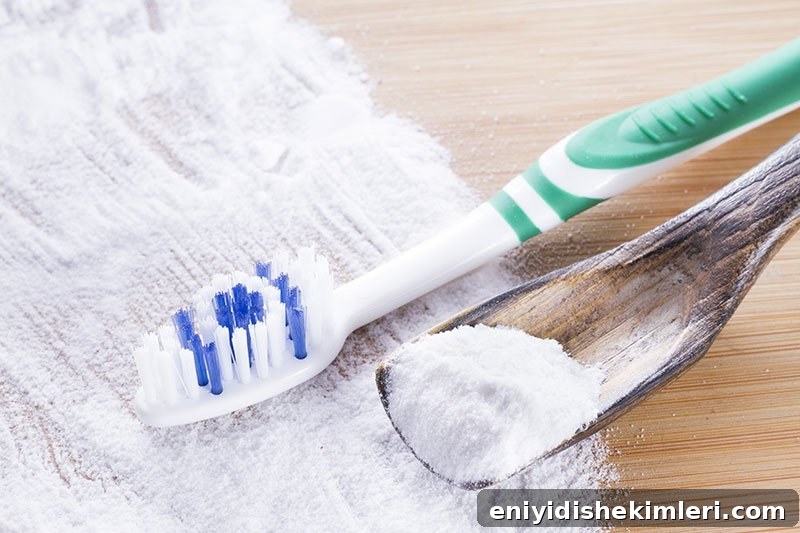
You Can Whiten Your Teeth With Baking Soda
Using baking soda as a whitening method is ineffective and can upset the natural balance of bacteria in your mouth. While it may remove surface stains through abrasion, it won’t produce a true color change and repeated abrasive action can wear enamel over time.
You Can Whiten Your Teeth by Rinsing With Hydrogen Peroxide
Rinsing with hydrogen peroxide can cause free radical reactions when it contacts soft tissues. Those reactions can damage living tissue and are not a safe or effective way to whiten teeth. Controlled, professionally formulated whitening products use correct concentrations and application methods to minimize harm.
You Can Use Whitening Toothpaste and Whitening Gum
Whitening toothpastes and gums typically contain only mild abrasives or low concentrations of bleaching agents. For a real color change, whitening agents need sustained contact with the tooth surface—usually around 20 minutes or longer. These products may help remove surface stains but are unlikely to produce dramatic whitening results.
Professional Whitening Gel and At-Home Whitening Gel Are the Same
Not all whitening gels are created equal. They vary in concentrations of carbamide peroxide or hydrogen peroxide, the active bleaching agents. Professional systems generally use higher concentrations under controlled conditions, while at-home products use lower concentrations for safety and convenience.
The Strongest Whitening Gel Is the Best
Stronger gels can speed up visible results, but they aren’t always better. Higher concentrations are more likely to cause pain and tooth sensitivity, and in some cases the results may not last as long as with gentler regimens. Lower concentrations applied correctly often give safer, longer-lasting outcomes.
Once Whitened, Teeth Will Stay White Forever
The chemical color change achieved by whitening is permanent, but natural aging and staining continue over time. Teeth can yellow again, so periodic touch-ups are usually necessary to maintain brightness. Custom whitening trays or periodic professional maintenance can help preserve results.
Strawberries and Lemons Can Be Used to Whiten Teeth
Acidic home remedies such as strawberries and lemons may temporarily lighten surface stains, but they do so by eroding enamel. That enamel loss is irreversible and increases sensitivity and the risk of decay. This approach can cause permanent harm and is not recommended.
UV Light Can Speed Up the Whitening Process
There is no reliable evidence that UV light significantly speeds whitening or improves outcomes. In-office lamps may heat the gel, but they can also pose risks to eyes, lips, and gums if not used carefully. Many professionals achieve excellent results without additional light activation.
Crowns and Veneers Can Be Whitened
Bleaching agents work only on natural tooth structure. Porcelain crowns and veneers don’t respond to whitening gel, so if restorations don’t match a newly whitened smile, they must be replaced to match the natural teeth.
Whitening Can Be Done At All Ages
Whitening is not always appropriate for children. Their teeth and dental pulp are still developing, and bleaching can adversely affect live tissue inside the tooth. In select cases and under professional supervision whitening may be considered, but it’s not universally safe for young patients.
Don’t fall for common misconceptions about teeth whitening. Your smile makes a strong first impression, so research your options and consult a dental professional before starting any whitening treatment.
Mark Burhenne DDS
Learn More:The Only All-Natural Teeth Whitening Methods I Recommend