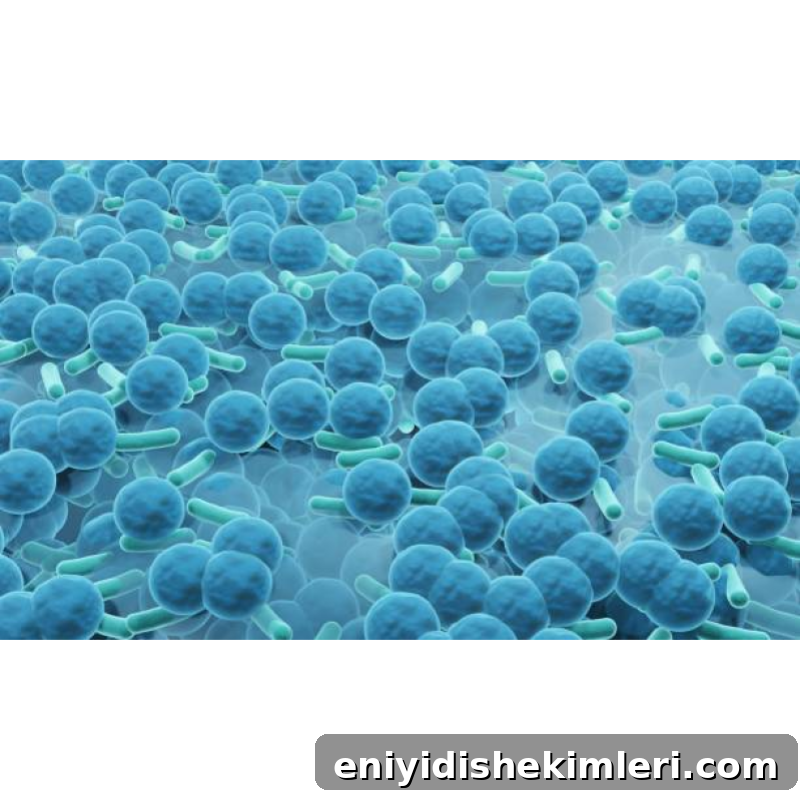
3.5 billion years of evolution gave you a built-in shield against cavities and gum disease.
Here’s why it no longer works.
Biofilms are often called the “skin” of the tooth, but that label understates their complexity. Rather than a simple coating, biofilms are ancient, organized biological systems that adhere to hard surfaces and support microbial life.
Biofilms predate humans by billions of years. They arose in Earth’s earliest ecosystems and served as one of the first forms of cooperative life. Over immense spans of time, biofilms evolved to protect microorganisms, optimize nutrient sharing, and enable early genetic exchange—functions that were essential for survival in harsh primordial environments.
Today, however, the oral biofilm faces a mismatch with modern lifestyles and diets. Viewing biofilms as primordial organ systems—shaped by conditions very different from those we live in now—helps explain why contemporary habits can undermine their protective roles.
The Ancient Origins of Biofilms
- Biofilms are among Earth’s earliest life forms, with fossil microbial mats preserved in stromatolites dating back some 3.5 billion years.
- Early biofilms were formed by prokaryotes such as cyanobacteria that thrived in low-oxygen, extreme conditions.
- These structures shielded microorganisms from ultraviolet radiation, prevented desiccation, and promoted efficient nutrient exchange.
- Biofilms also enabled genetic exchange, boosting adaptability and laying groundwork for greater biological complexity.
Minerals like magnesium played a crucial role in these systems. Magnesium activates enzymes, participates in energy transfer via ATP, and helps stabilize DNA and RNA—elements that, along with iron and phosphorus, supported life’s early biochemical processes.
Far from being mere shields, biofilms were stepping stones to multicellular life: their architecture fostered cooperation, communication, and the emergence of complexity.
Biofilms and the Oral Microbiome
In the human mouth, the oral biofilm is an integral part of the microbiome. It creates a protective barrier on tooth surfaces and contributes actively to oral health. The biofilm contains antimicrobial compounds, supports immune defenses including antibodies, and helps regulate local conditions to deter harmful microbes.
This living layer helps balance pH and assists in tooth remineralization by facilitating the movement of calcium and other minerals from saliva to weakened enamel. Within the biofilm, bacteria communicate via quorum sensing, coordinating responses to changing conditions and maintaining ecological balance so beneficial species can thrive while potential pathogens are restrained.
The Mismatch with Modern Life
Despite their resilience, biofilms are now challenged by factors they did not evolve to withstand:
- Dietary shifts: Modern diets high in sugars and fermentable carbohydrates feed acid-producing bacteria that erode enamel.
- Processed foods: Refined sugars and additives promote overgrowth of harmful microbes.
- Dry mouth: Dehydration, certain medications, and mouth breathing reduce saliva, lower pH, and favor pathogenic strains.
- Frequent snacking: Constant exposure to food prevents the biofilm from reestablishing a healthy balance between meals.
- Aggressive oral care products: Many traditional approaches aim to sterilize the mouth. Alcohol, triclosan, harsh detergents, emulsifiers, and some essential oils can disrupt the ecosystem rather than support it, killing beneficial microbes and creating imbalance.
This mismatch between a biofilm shaped by ancient conditions and the realities of contemporary life contributes to cavities, gum disease, and broader systemic consequences.
Mismatch Diseases: What Happens When the Biofilm Can’t Adapt
- Cavities (dental caries): Sugars feed acid-producing bacteria that demineralize enamel.
- Gum disease (gingivitis and periodontitis): Microbial imbalance and inflammation lead to tissue damage and infection.
- Rebound from harsh products: Overuse of antibacterial mouthwashes or abrasive agents can eliminate beneficial species and create dysbiosis.
- Dry mouth and pH imbalance: Reduced saliva and acidic conditions favor pathogenic organisms.
- Systemic effects: Oral pathogens can contribute to inflammation and may reach the bloodstream, with associations suggested between oral disease and conditions like cardiovascular disease and neuroinflammation.
Supporting the Biofilm: The Path Forward
Rather than trying to annihilate the biofilm, the goal should be to nourish and support it. Biofilms are living systems that, when given appropriate conditions, protect teeth and preserve oral health. Practical strategies include:
- Gentle brushing: Use a soft-bristled brush and non-abrasive toothpaste. Brushing should gently disorganize the biofilm to reset balance without stripping it away entirely.
- Proper hydration: Adequate saliva production is essential. Drink water regularly and address causes of dry mouth to keep the biofilm hydrated and functional.
- Healthy diet: Reduce processed sugars and prioritize nutrient-rich foods and minerals like magnesium and electrolytes to support beneficial oral microbes.
- Oil pulling: Swishing a plant oil such as coconut or sesame can gently thin the biofilm and help maintain balance without aggressive abrasion, supporting beneficial bacterial communities.
- Use nourishing oral care products: Choose toothpaste and oral products formulated to maintain microbiome balance rather than destroy it. Products free of harsh antibacterials and detergents help the biofilm sustain its protective role.
Biofilms are much more than a simple film on teeth; they are ancient biological systems that have helped life endure for billions of years. The oral biofilm functions as a living organ system, evolved to defend against pathogens and support oral health. Modern lifestyles have introduced stresses that can overwhelm this system, but by treating the biofilm with respect and supporting its natural balance, it can continue to protect your mouth.
The biofilm exists for a reason: to protect and balance your oral environment. Nurture it, and it will continue to do its job.
-Dr. B

P.S. I recorded a new podcast interview last week—give it a listen and tell me what you think!