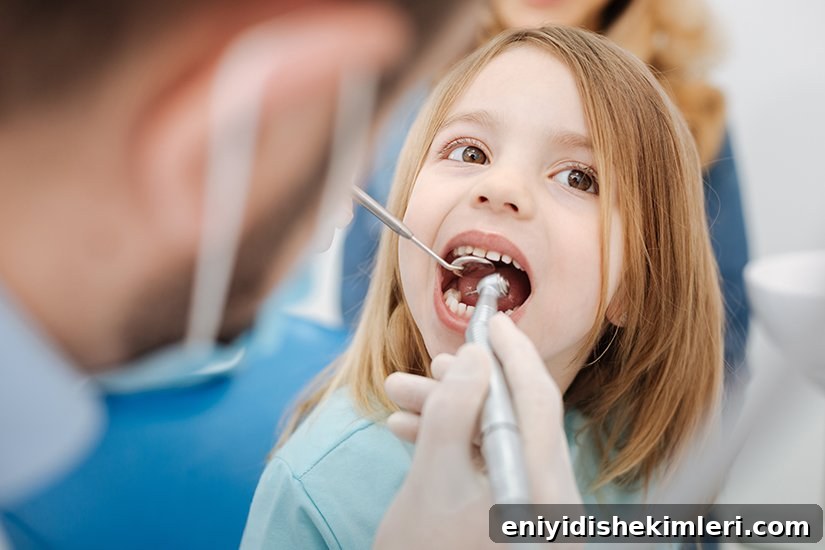
Regular dental visits are essential for maintaining good oral health, even if neither you nor your child eagerly anticipates the dentist. As a dentist, I’ve found that several factors can make these visits more pleasant—most importantly, finding a pediatric dentist you trust and feel comfortable with.
This is particularly crucial for children, who may experience dental anxiety and need a practitioner skilled at calming fears and creating a positive experience.
Not sure how to choose the best children’s dentist for your child? This article walks you through the process so you can make an informed, confident choice.
With these tips, a bit of local research, and consistent positive reinforcement, your child may eventually look forward to dental visits instead of dreading them.
What’s the difference between pediatric and adult dentistry?
All dentists are doctors of oral health, but pediatric dentists complete an additional 2–3 years of specialized training after dental school. That extra education focuses on child development and the unique dental needs of infants, toddlers, and children—skills general dentists may not emphasize.
Key areas of pediatric dental training include:
Preventive and pediatric-specific oral care: Pediatric dentists recognize conditions like tongue thrust, tongue ties, baby bottle tooth decay, enamel hypoplasia, and other issues that primarily affect children.
Growth and development of the mouth and jaws: Baby teeth follow different eruption patterns and developmental stages than adult teeth. Pediatric dentists are trained to manage those changing needs from infancy through adolescence.
Care under anesthesia and sedation: Pediatric dentists are trained in safe approaches to sedation and anesthesia for children when necessary. They also emphasize healthy habits like nose breathing, which can improve dental visits, sleep, and overall health.
Treatment for medically complex and special needs patients: Children with special needs often require tailored dental care and a compassionate approach. Pediatric dentists work with families to build a strong foundation for long-term oral health.
Pediatric dentistry covers care from the earliest stages of tooth development through adolescence. Once a patient turns 18, they typically transition to a general dentist for adult care.
How do I find a pediatric dentist I can trust?
Ready to find a pediatric dentist? Here are practical steps and recommendations to help you choose the right provider for your child.
Ask other parents for recommendations
Word-of-mouth is often the most reliable source. Ask parents about their child’s comfort level at the office, how the staff interacts with kids, and whether the dentist has handled more extensive procedures like fillings. Parents who’ve observed their children with the actual dentist (not just the hygienist) tend to give the most useful insight.
Check online reviews
Online reviews can offer helpful perspectives, but be cautious. Look for genuine, detailed reviews rather than obviously promotional or manipulated feedback. If a reviewer includes contact information, consider reaching out to ask more about their experience.
Visit your local dental school
Dental school clinics can be an excellent option. Faculty and staff can recommend thoughtful, skilled new dentists. Student providers are supervised closely, and dental schools often deliver high-quality care at lower cost. Clinics also tend to be smaller and more personal—beneficial for children with special needs or significant dental concerns.
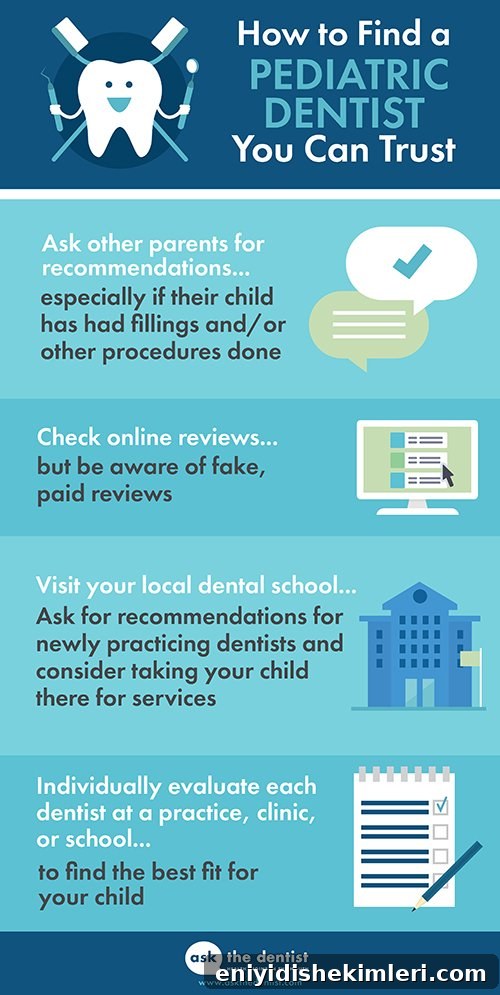
Evaluate each dentist individually
If a practice has multiple dentists, choose carefully—personality and approach matter. An older dentist isn’t automatically better, and a younger dentist may be more current with pediatric approaches. Call the office, ask how long the dentist has practiced, and whether they have experience with children. Ask about their approach to behavior management and working with anxious kids.
You’re entrusting someone to examine—and possibly treat—your child’s mouth. It’s appropriate to research thoroughly and ask many questions until you feel comfortable with the choice.
Search the Functional Dentist Directory
A directory of functional providers can help you find dentists, hygienists, and myofunctional therapists in many regions. Use directories to locate practitioners who emphasize airway health, proper breathing, and functional approaches to pediatric care.
How often should my child go to the dentist?
A practical guideline is to visit the dentist at least every six months. Frequent visits help keep teeth clean, catch problems early, and help your child become comfortable with the office, staff, and dentist.
Children often struggle to brush and floss effectively, and dietary habits—sugary drinks and processed snacks—can increase risk for cavities. Regular dental visits help compensate for those challenges and reinforce good habits.
I recommend scheduling your child’s first dental appointment by their first birthday at the latest. Some general dentists delay visits until age three, but earlier exposure—even as a brief visit while accompanying you—helps children become familiar with the environment and reduces anxiety later. Early visits are especially important for children showing signs of oral problems like frequent cavities, gum issues, or mouth-breathing.
What’s the best way to make my child feel comfortable at the dentist?
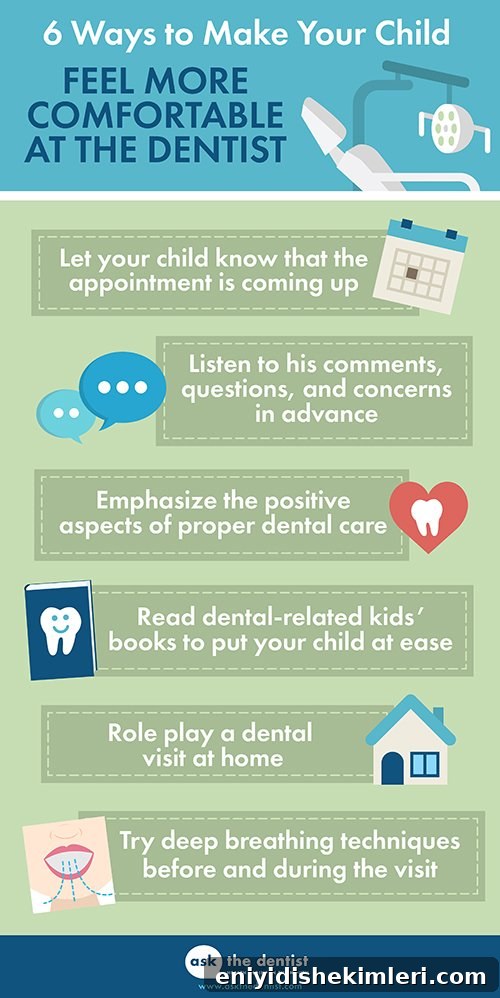
Getting your child to the dentist regularly is easier when they feel reassured. Along with choosing the right dentist, parents can use several strategies to make appointments less stressful.
Give advance notice: Tell your child about the appointment ahead of time so they’re not surprised.
Read dental-themed children’s books: Books or stories about dental visits can normalize the experience and make it seem fun.
My Pick
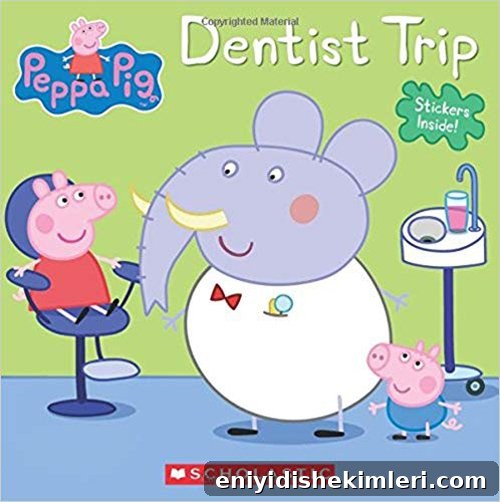
Dentist Trip (Peppa Pig)
Listen to their concerns: Be open and honest when your child expresses worries, and answer questions calmly.
Practice deep breathing: Teach slow, steady breaths to help reduce anxiety before and during the visit.
Highlight the positives: Explain how regular dental care keeps their smile healthy and prevents uncomfortable problems later.
Role play a dental visit: Pretend-play can familiarize your child with typical steps of a checkup and make the real visit feel predictable and safe.
Clear signs that your child’s dentist isn’t the best fit
A major red flag is if your child consistently hates going to that dentist. Occasional nervousness is normal, but persistent distress or negative behavior after visits—refusing to follow brushing advice, vocalizing discomfort about the staff or dentist—warrants attention.
Ask your child how they felt after the appointment. Comments focused on discomfort from a procedure can be addressed, but remarks about the dentist’s behavior or the overall atmosphere should be taken seriously. Also notice how the staff interacts with you: did they make an effort to explain things and put you at ease? If not, consider looking elsewhere.
What do I do if I disagree with the dentist’s recommendations?
If you’re concerned about sudden changes in your child’s oral health—such as a rapid increase in cavities—request x-rays and a copy of the dental records, and seek a second opinion. Inform the current office that you plan to consult another dentist.
If the practice responds unprofessionally to your questions or to your desire for another opinion, consider finding a different provider. You have the right to pursue the best care for your child and to change your mind about a provider at any time.
Your child has one set of permanent teeth—taking extra care to ensure they receive thoughtful, evidence-based treatment is worth the effort.
Conclusion
I hope this guide leaves you feeling prepared and encouraged. Caring for your child’s dental health involves both practical steps and emotional support. Regular checkups with a thoughtful pediatric dentist will build lifelong habits and help ensure your child keeps a healthy, confident smile for years to come.
Learn More:How to Find a Good Dentist: 7 Tips + 10 FAQs