Run your tongue over your teeth right now. If you just ate or haven’t brushed in a while, you’ll notice a thin film on the surface — that film is plaque. It’s what you’re trying to remove when you brush and floss. You may not always see it, but you can feel when it’s there.
So why is plaque harmful, and why are we repeatedly advised to remove it?
Plaque forms naturally and continuously in the mouth, and although it’s common, it can cause serious problems when it’s allowed to accumulate.
When plaque builds up it can stain teeth and cause bad breath. More importantly, plaque is linked to broader health concerns, including cardiovascular disease and cognitive decline, so understanding what plaque is and how to control it is essential.
What is plaque?
Plaque is a sticky, colorless film that constantly forms on teeth. It’s a colony of bacteria and other microbes that live in your mouth and feed on food particles, especially sugars. Think of plaque as the place where dental bacteria gather and grow.
These bacteria are harmful, and you don’t want to give them the chance to spread.
How does plaque harm the body?
If plaque is allowed to accumulate because of skipped brushing, infrequent flossing, or missed dental cleanings, it triggers a chronic immune response. Constant immune activation leads to ongoing inflammation, which contributes to premature aging and increases the risk of systemic diseases.
Imagine having a persistent infection like the flu for years — your immune system would be continuously engaged, and your body would experience chronic wear and tear from that ongoing fight.
How does plaque form in the mouth?
After you eat, the bacteria in your mouth break down food and feast on simple sugars. As bacteria metabolize these sugars, they excrete acids and other waste products. Those acids erode tooth enamel, contribute to bad breath, and cause decay that can lead to cavities.
If plaque is not removed within 48 hours, it begins to harden and calcify into tartar (also called calculus). Tartar adheres strongly to tooth surfaces and cannot be removed by a toothbrush or floss alone.
Bleeding or inflamed gums often indicate tartar beneath the gum line. This early stage of gum disease, called gingivitis, needs professional care from a dentist or hygienist to reverse.
How is plaque removed?
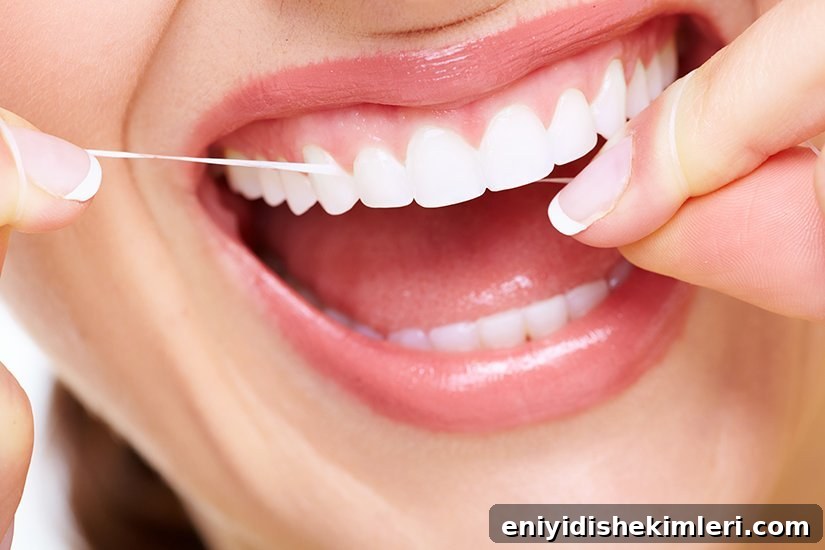
The best strategy is to remove plaque while it’s fresh and still soft. Regular brushing and flossing physically remove plaque before it can cause lasting damage.
If you rarely floss or only do it before dental visits, you’re leaving most of the plaque undisturbed. Brushing alone removes only about 40% of plaque — flossing reaches the areas between teeth where plaque accumulates the most.
How can you prevent plaque buildup?
– Brush after meals when possible, or at least twice a day. Plaque is most vulnerable to removal within hours of forming, so prompt cleaning is better.
– Floss daily, ideally after meals. Consistent, thorough flossing removes plaque from between teeth and below the gum line where a toothbrush can’t reach.
– Schedule regular professional cleanings. Even the best home care can’t remove hardened tartar beneath the gum line — only a dental hygienist can safely and effectively remove it.
– Favor a diet rich in vegetables and lower in starchy, sugary foods. Bacteria thrive on simple carbohydrates like crackers and sweets. Reducing those foods limits the fuel that feeds plaque.
– Consider dental sealants for children. Sealants can help prevent plaque and decay on chewing surfaces where food and bacteria collect.
Can tartar be removed at home?
No. Despite many online claims and DIY suggestions, tartar cannot be safely removed at home. Once plaque has calcified into tartar, it bonds firmly to tooth surfaces and requires professional instruments and training to remove without damaging enamel or gums.
Over-the-counter mouthwashes and home tools cannot reliably eliminate tartar. Attempting to scrape tartar yourself risks injury and may not reach all affected areas, especially below the gum line.
A simple analogy: imagine barnacles and algae accumulating on the hull of a boat. Superficial cleaning helps for a while, but once growth hardens, you need specialized tools and effort to remove it properly. The same applies to tartar on teeth.
Don’t let plaque and tartar slow you down — regular home care combined with professional dental visits keeps your mouth healthy and helps protect your overall health.
Mark Burhenne DDS