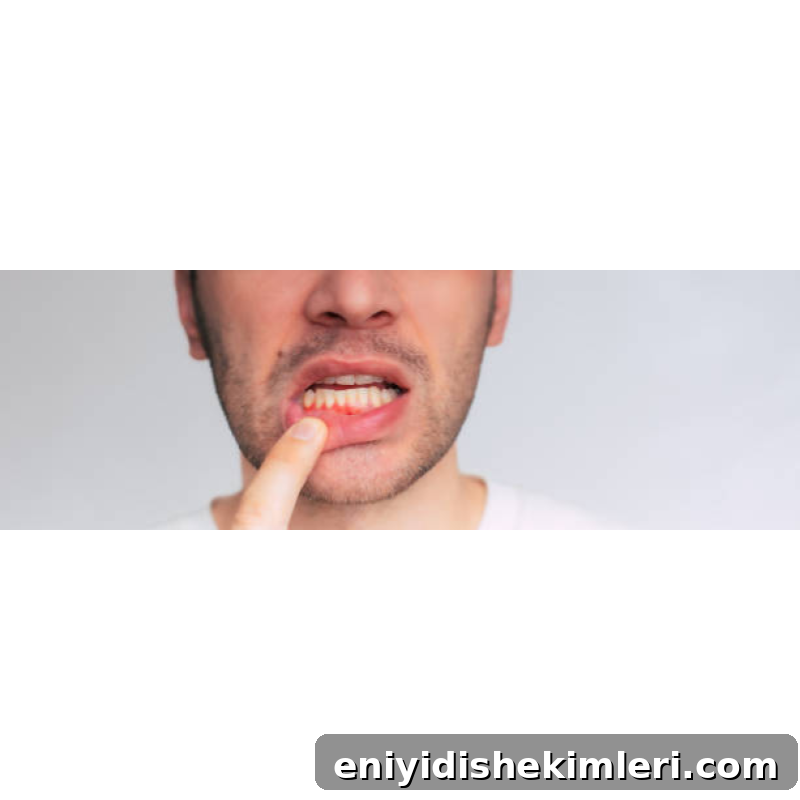
Why do men experience bleeding gums far more often than women?
You may have noticed it yourself: a man in his 40s whose gums bleed frequently while his partner has few problems, or a dental hygienist who sees more severe periodontitis and tooth loss in male patients than in female ones. For years the explanation focused on behavior—less flossing, fewer dental visits, poorer oral hygiene among men. While behavior plays a role, it doesn’t explain everything. Many men with careful oral care still suffer from red, swollen, bleeding gums, while some women recover quickly after a lapse.
Recent research from UNC Chapel Hill, published in the Proceedings of the National Academy of Sciences, sheds light on a deeper cause. Researchers analyzed more than 6,200 human samples across three studies and found a consistent biological difference:
Men have significantly higher levels of the inflammatory protein interleukin-1 beta (IL-1β) in the fluid around their teeth—both when gums are healthy and when they are diseased.
IL-1β is produced by the inflammasome, an immune signaling complex that functions like an alarm system. When bacteria collect below the gumline, the inflammasome activates and releases IL-1β to fight infection. In men this inflammasome-driven response tends to escalate, causing excessive inflammation that destroys the bone supporting the teeth.
In animal studies, blocking the inflammasome prevented bone loss in male mice. The same intervention had no effect in females, indicating that females do not rely on this pathway. Intriguingly, removing the testes from male mice eliminated the protective effect of inflammasome blockade, suggesting male reproductive factors actively influence this inflammatory process.
These findings point to fundamental sex-based differences in immune responses to the same bacterial challenge. But biology is not the whole story. A comprehensive 2017 review in Frontiers in Public Health highlights how sex (biological differences like hormones and immune wiring) intersects with gender (social and behavioral factors). Important contributors include:
- Women use preventive dental services more regularly than men.
- Economic and access barriers affect care—some studies show a higher percentage of women report skipping dental care due to cost.
- Men tend to harbor different oral bacteria, with higher levels of certain periodontal pathogens such as Prevotella intermedia.
- Women often produce stronger antibody responses against gum disease bacteria.
- Estrogen appears to regulate inflammation more effectively, while testosterone can amplify inflammatory responses.
In short: biology primes the immune system, while behavior and access to care determine how that risk plays out.
Practical steps you can take
If your gums bleed—whether you are male or female—treat it seriously. Bleeding is not normal. It signals inflammation that can lead to loss of the bone supporting your teeth. Understanding the inflammasome pathway gives us targets to reduce that destructive inflammation. Evidence-based actions include professional treatment and specific supplements that can work as adjuncts.
1. Take bleeding gums seriously (especially for men)
Bleeding during brushing or flossing is a warning sign. Professional periodontal care combined with targeted strategies can curb the immune overreaction that damages bone.
2. Coenzyme Q10 (CoQ10)
CoQ10 is one of the better-supported supplements for periodontal health. Multiple systematic reviews and meta-analyses show that when used alongside scaling and root planing, CoQ10 can improve bleeding indices, reduce gingival inflammation, decrease pocket depth, and improve clinical attachment levels. CoQ10 is an antioxidant concentrated in mitochondria; inflamed gum tissue often shows reduced CoQ10 levels. Supplementing restores local antioxidant capacity and supports healing.
Typical guidance from studies suggests 60–120 mg daily, with measurable benefits often appearing after about 12 weeks when combined with professional periodontal care. CoQ10 is an adjunct, not a replacement for dental treatment.
3. Pentadecanoic acid (C15:0)
Pentadecanoic acid (C15:0) is an odd-chain saturated fatty acid drawing research interest for broad anti-inflammatory effects. Animal and emerging human data indicate C15:0 lowers IL-1β and several other inflammatory cytokines implicated in periodontal bone loss. It also influences metabolic and longevity-related pathways (AMPK activation, mTOR inhibition) and has been shown in some studies to improve markers of inflammation and metabolic health.
Dietary sources include full-fat dairy (grass-fed butter, whole milk, aged cheese), but therapeutic levels are difficult to achieve through diet alone. Some people choose a supplement providing around 100 mg daily. This is an emerging area of research; consider it as a possible adjunct if inflammation persists despite good oral hygiene and professional care.
4. The non-negotiables
No supplement will substitute for good oral hygiene and professional care. Key practices include:
- Floss daily. Bleeding is a reason to persist, not to avoid flossing; inflammation typically decreases with consistent flossing.
- Get professional cleanings every 3–6 months. If you have active gum disease, visits every 3 months are often needed until it is controlled.
- Consider an electric toothbrush with pressure sensors. Excessive force can damage gums and exacerbate bleeding.
- Stop smoking. Tobacco greatly increases risk and undermines treatment.
- Manage systemic inflammation. Conditions like prediabetes, metabolic syndrome, and chronic stress can raise inflammatory cytokines throughout the body, including the gums.
For the first time we have clear mechanistic evidence explaining why men are more vulnerable to severe periodontitis: a male-biased, inflammasome-driven inflammatory response that promotes bone loss. This knowledge points to strategies that target inflammasome activity and inflammatory cytokines such as IL-1β, TNFα, and IL-6.
Combining professional periodontal treatment with adjunctive strategies—consistent oral hygiene, CoQ10 supplementation (60–120 mg daily for at least 12 weeks), and possibly C15:0 supplementation (around 100 mg daily)—addresses the problem from multiple angles. Your gums shouldn’t bleed when you floss; if they do, seek evaluation and treatment so the immune response can be brought under control.

Note: Always work with your dentist or periodontist when addressing gum disease. The recommendations above are based on published research and are intended as adjuncts to professional periodontal treatment, not replacements. Individual needs vary; some people require more intensive interventions such as localized antibiotics, laser therapy, or surgery.
Further reading & references:
- Marchesan et al. (2025). “Inflammasome targeting for periodontitis prevention is sex dependent.” Proceedings of the National Academy of Sciences.
- Ioannidou, E. (2017). “The Sex and Gender Intersection in Chronic Periodontitis.” Frontiers in Public Health.
- Systematic reviews and meta-analyses on CoQ10 and periodontitis.
- Venn-Watson et al. (2023). Studies on pentadecanoic acid (C15:0) and its anti-inflammatory activities.