Looking for a safe alternative to commercial toothpastes that can contain questionable or toxic ingredients? This natural, homemade probiotic toothpaste delivers effective cleaning without the harsh chemicals—so you don’t need to worry if a small amount is accidentally swallowed.
It may look a little like a dessert, but don’t be fooled: this recipe is designed for oral health and uses simple, nourishing ingredients.
Coconut oil and bentonite clay form the base for this toothpaste. Together they provide a pleasant texture and effective cleaning. Coconut oil supports oral and gut microbiomes—important because oral health and digestive health are connected—while bentonite clay cleans teeth without excessive abrasion and contributes minerals that help support remineralization.
This recipe also includes prebiotics and probiotics to encourage a balanced oral microbiome. Cacao adds a naturally pleasant chocolatey note, and beyond flavor some compounds in cacao have been associated with cavity protection and enamel-supporting benefits. The result is a delicious-tasting, non-toxic toothpaste you can feel comfortable using every day.
Make and enjoy a healthy, homemade toothpaste that’s free from unnecessary additives.
DIY Probiotic Toothpaste
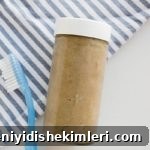
This version uses cacao nibs for a subtle chocolate flavor and the oral-health supporting compounds found in raw cacao. Combined with prebiotics and probiotics, this formula supports a healthy oral microbiome while offering a pleasant brushing experience.
Follow the steps below to make it at home:
- Author: Dr. Burhenne
- Prep Time: 5 minutes
- Cook Time: 10 minutes
- Total Time: 15 minutes
- Yield: 5-7 days for a family of 4 (used twice daily)
Ingredients
- 4 tablespoons Cold-pressed Organic Coconut Oil
- 4 tablespoons Food Grade Bentonite Clay
- 1/2 teaspoon Baking Soda
- 2 tablespoons Xylitol
- 1/2 teaspoon Prebiotic Powder
- 2 crushed capsules Probiotic (e.g., a dental-oriented probiotic)
- 1/2 teaspoon Cacao Powder
- 1 1/2 teaspoons Ginger Powder
- 1/2 teaspoon Cinnamon
- 1/2 teaspoon Vitamin E Oil
- 4 tablespoons distilled or filtered water (divided)
Instructions
- In a small saucepan, warm the coconut oil over low heat until melted, about 1–2 minutes.
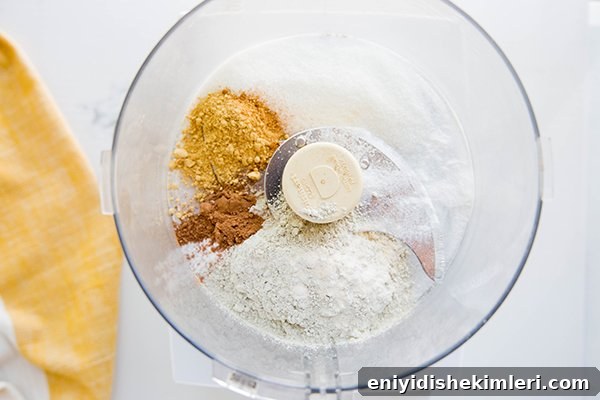
- Place the bentonite clay, baking soda, xylitol, prebiotic powder, crushed probiotic capsules, cacao, ginger and cinnamon into a food processor or high-speed blender. Blend 10–15 seconds until the powders are evenly combined, tapping the container as needed so powder falls to the bottom.

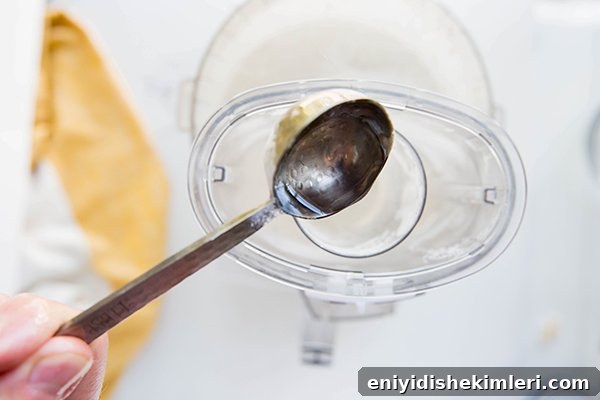
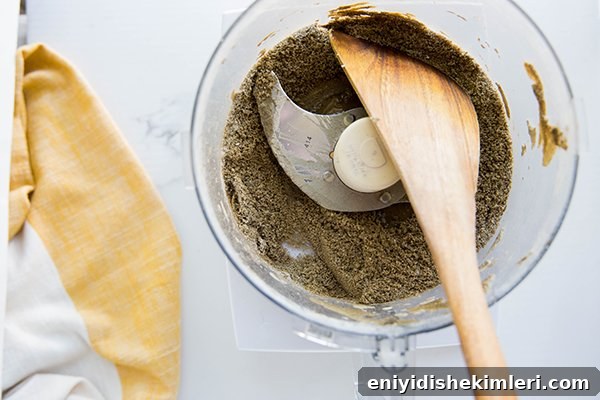
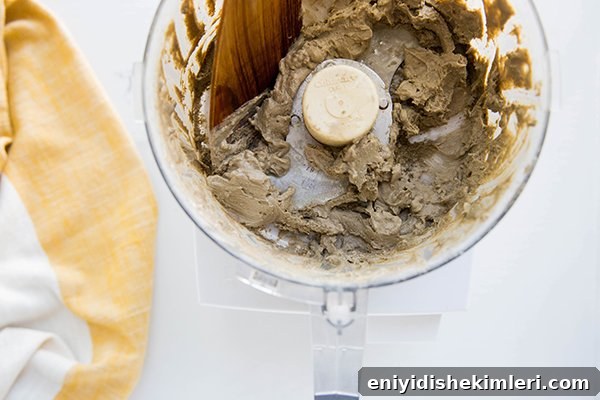
- Wait a minute to let the powders settle, then add 1 tablespoon of the melted coconut oil. Blend 10–15 seconds; the mixture will be crumbly. Use the end of a wooden spoon, chopstick, or small spatula to scrape and combine any powder along the sides and bottom of the blender.
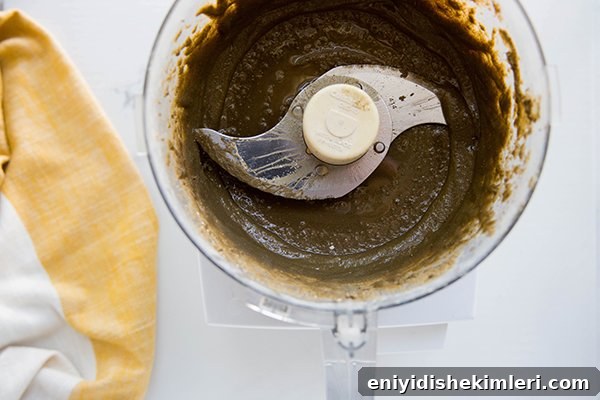
- Add the vitamin E oil and the remaining coconut oil, and blend another 10–15 seconds. The mixture should become more fluid. Scrape the sides again to ensure all powder is incorporated and blend as needed to achieve a smooth, creamy consistency.
- With the blender running, slowly pour in the water and continue blending for at least 30 seconds, until thoroughly mixed and smooth.
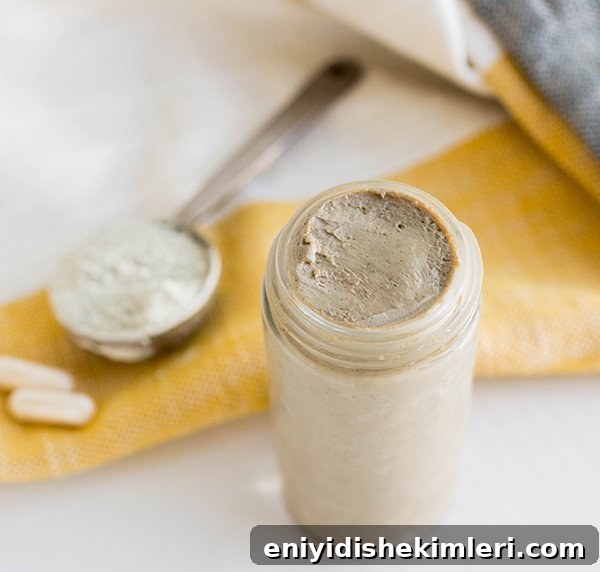
- Transfer the finished toothpaste to a clean glass container with a plastic lid or a nontoxic refillable squeeze tube for daily use.
Notes
Storage Tips & How to Use
Use a clean spoon to scoop a small amount onto your toothbrush. Store half of the batch at room temperature and use within 7–10 days. Refrigerate the remainder for up to 4 weeks to extend freshness. Alternatively, fill a refillable squeeze tube and dispense roughly a quarter-teaspoon onto your toothbrush twice daily for best results. Keep refrigerated when storing for longer periods.
If you want a variation focused on gum-supporting botanicals, consider experimenting with neem leaf in place of or in addition to other ingredients.