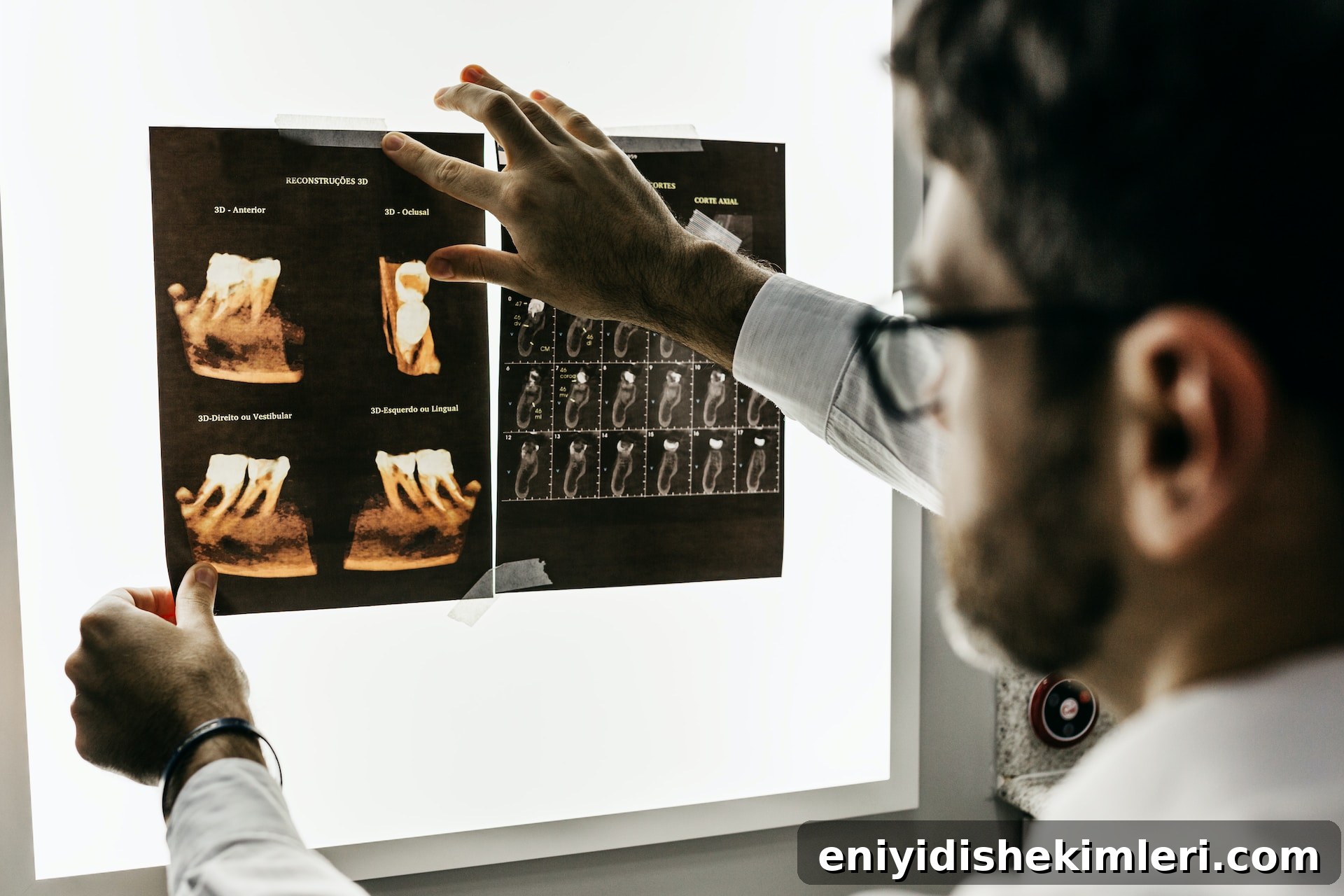
Dental implant treatment has advanced significantly, offering patients in Sarasota more effective and increasingly affordable tooth replacement options. A major factor in this progress is the adoption of modern 3D dental imaging. These technologies provide detailed, accurate views of dental and facial anatomy, enabling clinicians to plan and perform implant procedures with greater confidence, efficiency, and success.
Leading 3D imaging systems for implant dentistry include cone-beam computed tomography (CBCT) and intraoral scanners. CBCT yields three-dimensional images of the jaw, teeth, and surrounding tissues, revealing bone volume and density, the location of nerves and sinuses, and other critical structures. Intraoral scanners capture precise digital impressions of the teeth and soft tissues without the discomfort of traditional impression materials. Together, these tools give clinicians the comprehensive information needed to develop individualized treatment plans and predict outcomes more reliably.
This article outlines how 3D dental imaging supports affordable implant dentistry in Sarasota, examines how these technologies work, and highlights the clinical and patient-centered benefits they bring. Understanding the role of 3D imaging helps patients evaluate treatment options and choose care that balances quality, safety, and cost-effectiveness.
Understanding 3D Dental Imaging Technology
Three-dimensional dental imaging has changed how dentists assess and plan implant treatments by delivering accurate digital data about the patient’s oral anatomy. Two commonly used technologies are:
1. Cone-Beam Computed Tomography (CBCT)
CBCT captures high-resolution 3D images of the jaw, teeth, and surrounding soft tissues. These scans reveal bone height, width, and density, and show critical anatomical landmarks such as the inferior alveolar nerve and the maxillary sinuses. With this information, clinicians can determine whether a patient has adequate bone for implants, plan implant angulation and depth, and anticipate potential challenges before surgery.
2. 3D Intraoral Scanners
Intraoral scanners create accurate digital impressions of teeth and soft tissues, replacing conventional putty-based impressions in many cases. The resulting digital models are used to design surgical guides, temporary restorations, and final prosthetics, improving fit and reducing laboratory adjustments. Scanners also enhance patient comfort and shorten appointment times.
Advantages of 3D Dental Imaging in Implant Dentistry
Incorporating 3D imaging into implant workflows delivers several clear advantages for both clinicians and patients:
1. Enhanced Treatment Planning
Comprehensive 3D data enables customized treatment plans based on accurate anatomical measurements. Clinicians can simulate implant placement, select appropriate implant sizes, and design surgical guides that translate the plan precisely into the clinical setting. This lowers the risk of unforeseen issues during surgery.
2. Increased Precision and Accuracy
Detailed imaging allows practitioners to identify the best sites for implants with greater accuracy. Precise placement improves initial stability and long-term success of implants, contributing to better functional and aesthetic outcomes.
3. Improved Patient Safety
By mapping nerves, sinuses, and bone anatomy before surgery, 3D imaging reduces the risk of complications such as nerve injury or sinus perforation. This foresight supports safer surgical approaches and helps avoid additional corrective procedures.
4. Greater Affordability
Although advanced imaging adds an upfront cost, it often reduces overall treatment expenses. Better planning and fewer intraoperative surprises translate to shorter procedures, fewer corrective surgeries, and fewer chairside and lab adjustments—savings that benefit patients over the course of treatment.
The Role of 3D Dental Imaging in Affordable Dental Implants
3D imaging plays a key role in making implant therapy more accessible. Specific contributions include:
1. Streamlined Treatment Process
Accurate preoperative planning and the use of surgical guides reduce operating time and the need for additional procedures. This efficiency shortens recovery periods and lowers overall costs to the patient.
2. Decreased Risk of Complications
Detailed visualization of anatomy minimizes the likelihood of intraoperative errors and postoperative complications. Avoiding complications means fewer follow-up visits, less additional treatment, and improved value for patients.
3. Greater Treatment Success
When implants are planned and placed with high precision, long-term stability and function improve. Higher success rates reduce the chance of re-treatment and associated expenses, contributing to more cost-effective care.
Choosing the Right Dental Professional for 3D Imaging and Implants
Selecting an experienced dental team in Sarasota is important when pursuing implant therapy. Clinicians skilled in 3D imaging and implant workflows can interpret scan data accurately, integrate digital impressions into restorative planning, and deliver predictable surgical and prosthetic outcomes. Look for providers who use current imaging technology and who can demonstrate a clear, individualized treatment plan based on that data.
3D Dental Imaging in Affordable Implant Dentistry
Three-dimensional imaging has reshaped implant dentistry in Sarasota by providing precise anatomical insight that enhances planning, increases safety, and improves efficiency. These benefits contribute directly to more affordable and predictable implant care. Patients who understand the value of 3D imaging can make informed choices about their tooth replacement options and pursue implant solutions with greater confidence.
If you are interested in affordable dental implant solutions, contact MDIS® to discuss how modern 3D imaging and implant techniques can support your treatment needs.