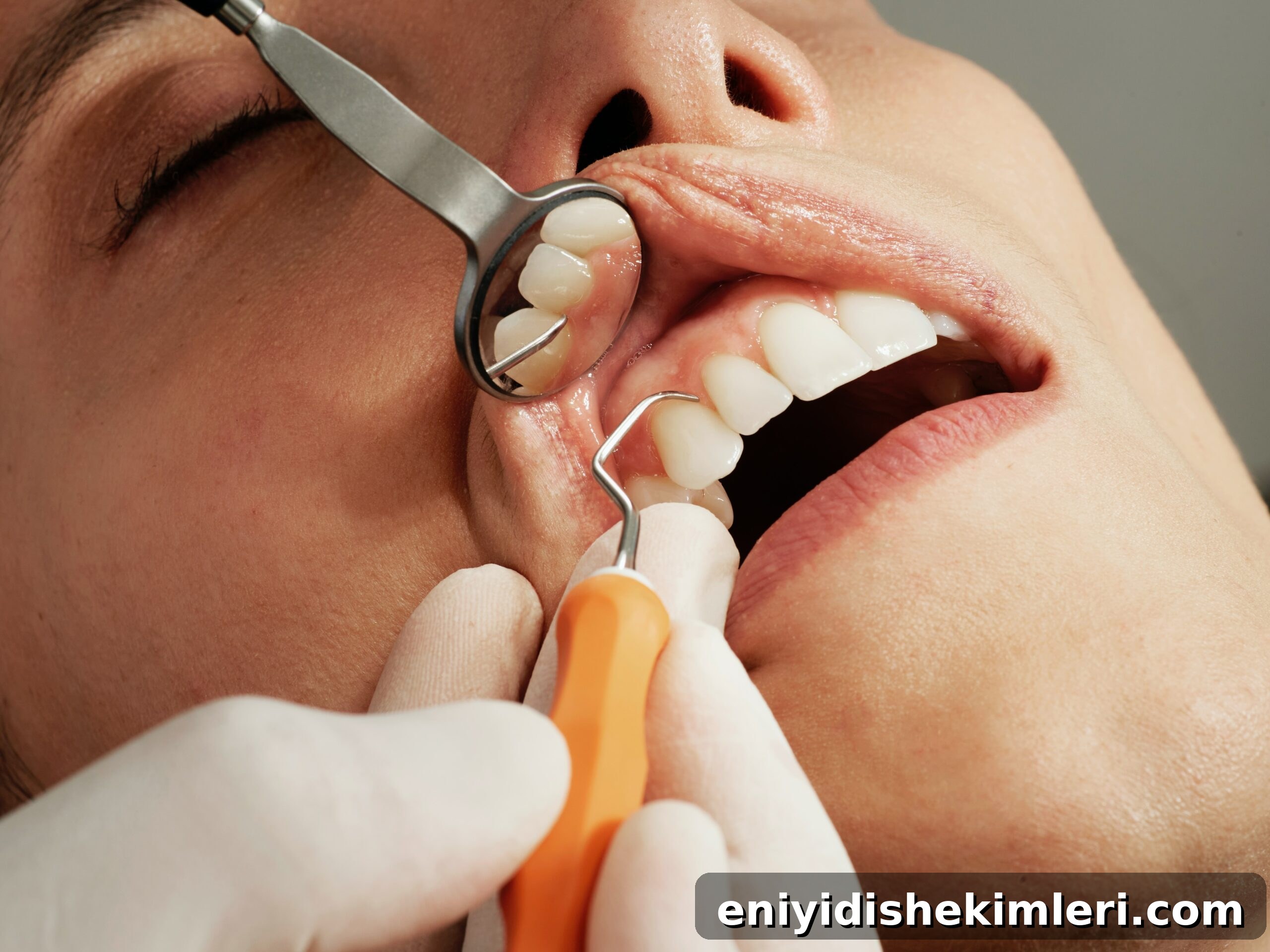
Dental implants are a widely used solution for replacing missing teeth and restoring oral health. The procedure places a titanium screw into the jawbone to act as an artificial tooth root, then attaches an abutment and a crown or bridge to restore chewing function and appearance. Although dental implant surgery has a high success rate, recovery is an important part of the process. Understanding the stages of healing, recognizing possible complications, and following practical aftercare tips will help you achieve the best outcome.
Stages of Recovery
1. Initial healing (1–2 weeks):
During the first one to two weeks after surgery, the gums and soft tissues heal around the implant site. Mild discomfort, swelling, and bruising are common. Follow your dentist’s post-operative instructions closely: take prescribed medications, use cold compresses to reduce swelling, rest as needed, and keep the surgical area clean to prevent infection.
2. Osseointegration (3–6 months):
Osseointegration is the critical period when the titanium implant fuses with the jawbone. This biological bonding provides the stability needed for a long-lasting implant. Avoid placing heavy chewing forces on the implant during this phase — your dentist may supply a temporary restoration to protect the site while bone integration occurs.
3. Crown placement (1–2 weeks):
Once osseointegration is confirmed, the dentist places the abutment and the permanent crown or bridge. This step can cause minor soreness, but recovery is generally quicker than the initial surgical phase. After final placement, your implant should function like a natural tooth when properly cared for.
Potential Complications and Prevention
1. Infection:
Infection is a possible complication if bacteria reach the implant site. To reduce risk, maintain thorough oral hygiene, rinse with a gentle saltwater solution as advised, attend follow-up visits, and contact your dentist promptly if you notice increased swelling, persistent pain, redness, or any discharge.
2. Implant failure:
Implant failure is uncommon but can occur if osseointegration fails or if the implant becomes loose. Following post-operative guidelines, avoiding tobacco, controlling medical conditions like diabetes, and attending regular dental check-ups help minimize this risk.
3. Damage to surrounding structures:
Although uncommon with experienced providers, nearby teeth, nerves, or blood vessels can be affected during surgery. Choosing a qualified clinician and discussing your medical history and any anatomical concerns beforehand reduces the chance of complications.
Tips for a Smooth Recovery
1. Follow your dentist’s instructions:
Careful adherence to post-operative directions is essential. Ask questions before you leave the office so you clearly understand medication schedules, oral care steps, and activity restrictions.
2. Maintain good oral hygiene:
Keep the mouth clean without disturbing the surgical site. Brush gently, floss the non-surgical areas, and use any recommended antimicrobial rinses to lower the chance of infection.
3. Eat a balanced diet:
Proper nutrition supports tissue repair and bone health. Focus on soft, nutrient-rich foods such as soups, smoothies, yogurt, and well-cooked vegetables during the early recovery period.
4. Avoid smoking and alcohol:
Tobacco and excessive alcohol can impair healing and increase complication rates. Avoid smoking and limit alcohol intake during recovery and while osseointegration occurs.
5. Attend follow-up appointments:
Regular follow-ups allow your dentist to monitor healing, detect issues early, and ensure the implant integrates properly. Communicate any concerns so they can be addressed promptly.
Dental Implant Care at a Glance
Proper care is key to the long-term success of dental implants. The first year after treatment requires particular attention, but lifelong maintenance is important too. Routine dental visits help your provider evaluate implant health and advise on hygiene techniques. With consistent care, implants can last for many years and restore both function and appearance.
Complimentary Diagnostic Digital X-rays & Consultation
Schedule a consultation to determine whether dental implants are the right choice for you. (Complimentary diagnostic x-rays and consultation — $375 value)

Dental Implant Care at a Glance
Caring for implants protects their function and appearance for years. In the first year after surgery, follow your dentist’s guidance closely. After that, maintain regular dental checkups so your provider can recommend appropriate care and detect any changes early.
Sarasota, FL
(941) 260-4450
Sun City Center
(941) 260-4451
Westchase, FL
(813) 590-2221
Livingston, NJ
(973) 821-0030