Teeth cleanings are essential not only for a bright smile, but for overall health. Many people treat a dental visit as routine without understanding its broader importance. This article explains what to know before, during, and after a professional teeth cleaning, so you can get the most from your appointment and protect your long-term health.
Before You Go
Your mouth is connected to the rest of your body. Oral problems can signal or contribute to systemic conditions including heart disease, diabetes complications, and dementia. Regular professional cleanings are a key preventive measure that protect both your oral health and your general health.
This guide will prepare you for a quality teeth cleaning, help you understand what to expect, and allow you to participate actively in your care. Routine visits are important, but being informed ensures better outcomes.
Know Your Family History
Ask family members whether there is a history of gum disease and how severe it was. There is a strong genetic component to periodontal disease, and knowing this background helps your dentist tailor prevention and treatment strategies.
Ask Whether You Need Antibiotics
Your mouth naturally contains bacteria. Certain dental procedures can let bacteria enter the bloodstream (bacteremia). For most healthy people this is harmless, but for some individuals—because of specific heart conditions, joint replacements, or compromised immune systems—antibiotic prophylaxis may be recommended. If you think you might be in a higher-risk group, discuss this with your dentist or physician before the appointment.
Why Teeth Cleanings Matter
Professional cleanings serve two main purposes:
- Reduce systemic health risks linked to oral inflammation, such as heart disease, stroke, dementia, and diabetes complications
- Prevent tooth loss
Daily life exposes teeth and gums to plaque and tartar buildup. If not removed, these deposits trigger a chronic immune response that inflames gums and can destroy the supporting tissues and bone around teeth. Professional cleanings remove hardened deposits that brushing and flossing alone cannot, lowering inflammation and preserving oral and overall health.
What a Teeth Cleaning Is
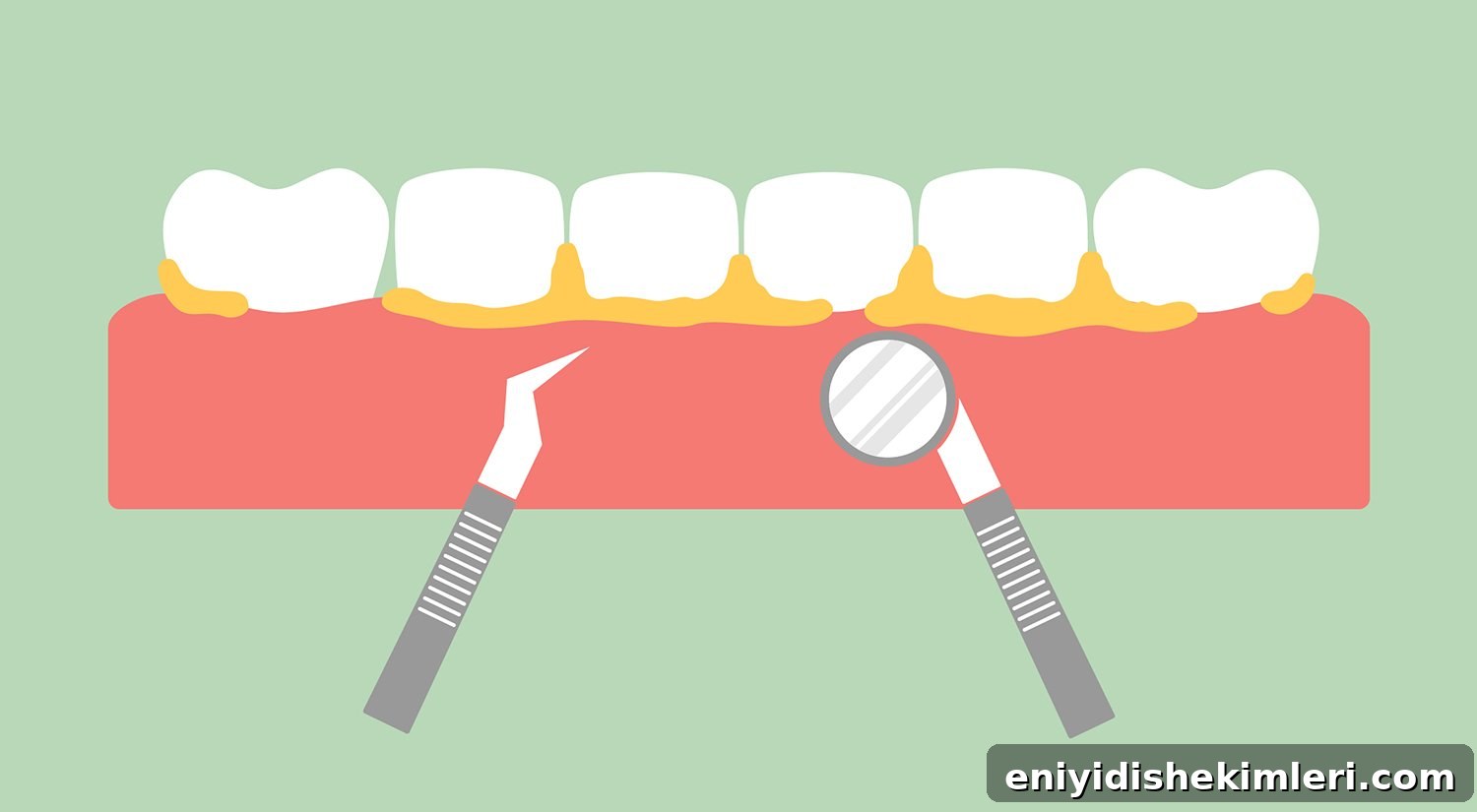
A registered dental hygienist performs the cleaning using specialized instruments to remove plaque and tartar above and below the gum line. The process also includes polishing and an assessment of gum health.
During the Appointment
What You Should Expect
Your hygienist should explain what will be done and why, and point out any areas of sensitivity or bleeding. If you want to better understand your oral condition, request a mirror or an intra-oral camera; seeing the problem areas often motivates improved home care.
Use the visit to get a clear demonstration of effective brushing and flossing technique. Proper follow-through at home is essential to protect your investment in oral health.
Questions to Ask During the Cleaning
Ask your provider to diagnose the stage of any gum disease and to explain what that means for treatment and maintenance. Knowing your classification gives you direction for next steps.
Common question: “What stage of gum disease do I have?”
Understand Gum Disease
Inflamed gums react to tartar buildup much like any other inflamed tissue: they swell and bleed. Because gums have a rich blood supply, inflammation can be especially noticeable. Discuss your specific condition with your dental team so you understand your status and the recommended plan.
Why Pocket Readings Matter
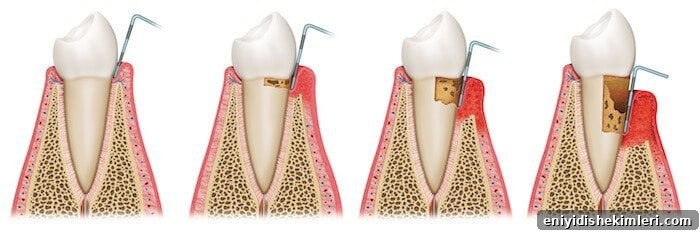
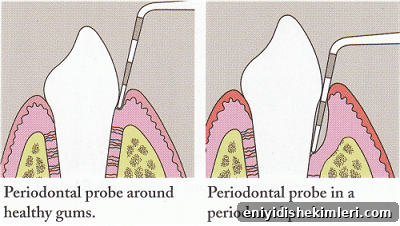
The junction where gum meets tooth is not where the attachment ends; the gum attaches lower on the tooth, creating a small space or “pocket.” Pocket depth can increase if ligaments are damaged by inflammation or if the gum tissue swells. Measuring pockets provides a clear indicator of disease progression.
Ask your dentist to show your pocket measurements so you can track changes over time, much like monitoring blood pressure.
Types of Cleanings and Gum Health
The type of cleaning recommended depends on the health of your gums. Make sure you receive appropriate care—neither more nor less than you need.
No Gum Disease
Ideal: no bleeding when probed or flossed. Treatment: maintain good home care and regular professional cleanings. In rare cases you may need only an annual cleaning, but most people benefit from visits every six months to preserve health and lower systemic inflammation.
Type I: Gingivitis
Gingivitis is common and characterized by bleeding and redness along the gum margin. It indicates that gum tissue is inflamed but not yet causing irreversible damage. Treatment: improved oral hygiene, targeted instruction from your hygienist, and possibly more frequent cleanings until tissue health is restored.
Type II: Early Periodontitis
When gingivitis progresses, pockets deepen and ligaments may be affected. Gum recession and sensitivity are common. Treatment: a deep cleaning (scaling and root planing) may be necessary to remove subgingival tartar. These cleanings are often performed by quadrant and must be followed by rigorous home care to prevent recurrence.
Type III–V: Moderate to Severe Periodontitis
Advanced stages involve deeper pockets, bone loss, and a greater risk of irreversible damage. Treatment often requires multiple deep cleanings and may require referral to a periodontist for surgical or specialized care. In these stages, home care after professional treatment is critical to halt progression; however, lost bone cannot be fully restored.
Summary: Questions to Ask During Your Appointment
- What classification of gum disease do I have?
- How deep are my pockets?
- Do you notice any gum recession?
- Am I over-brushing?
- Am I grinding my teeth?
- Can you demonstrate how I should floss and brush?
After the Teeth Cleaning
Home oral hygiene determines how long the benefits of a professional cleaning will last. Follow these recommendations:
- Brush and floss after meals when possible, or at least twice daily
- Eat a balanced diet rich in vegetables and limit sugary snacks
- Schedule follow-up visits every three months if you have gum disease, or every six months for routine maintenance
Preventing gum disease is far easier than treating advanced stages, so consistent home care and regular professional visits are essential.
Glossary
Bleeding upon provocation: Bleeding when gums are flossed or probed.
Pockets: The small space between the visible gum line and the actual attachment point lower on the tooth.
Deep pockets: Pockets that indicate tissue damage and disease progression.
Morphology changes: Early changes in gum shape, color, or texture that signal disease.
Gum disease: Infection of tissues that support the teeth, linked to tooth loss and systemic inflammation.
Periodontitis: A more advanced stage of gum disease that can cause bone loss and requires more intensive treatment.
Bone loss: Loss of the bone supporting a tooth, which can lead to tooth loss.
Periodontist: A dental specialist focusing on prevention, diagnosis, and treatment of periodontal disease.
FAQ
Q
You’re cutting me with that sharp instrument! Of course my gums bleed!
A
This is a common misconception. The instrument probes the naturally occurring pocket around the tooth to check whether the gum bleeds on its own. Bleeding that occurs without forceful injury indicates inflammation and disease, not damage caused by the probe.
Q
Can Gum Disease Be Cured?
A
Early-stage gum disease is often reversible with thorough professional care and consistent home hygiene. Advanced disease can usually be controlled but not fully reversed; bone loss is permanent. Treatment plans must be individualized based on disease stage and patient factors.
Q
Why would my hygienist recommend a cleaning every two months?
A
Frequent cleanings may be advised if you have rapidly accumulating subgingival tartar, deep pocketing, or difficulty maintaining oral hygiene. Ask for the specific reasons and pocket measurements to understand the recommendation.
Q
When should I seek a second opinion?
A
If you are diagnosed with moderate to severe periodontitis (Type III or higher), consider getting a second opinion, ideally from a periodontist who specializes in advanced gum disease.
Mark Burhenne DDS