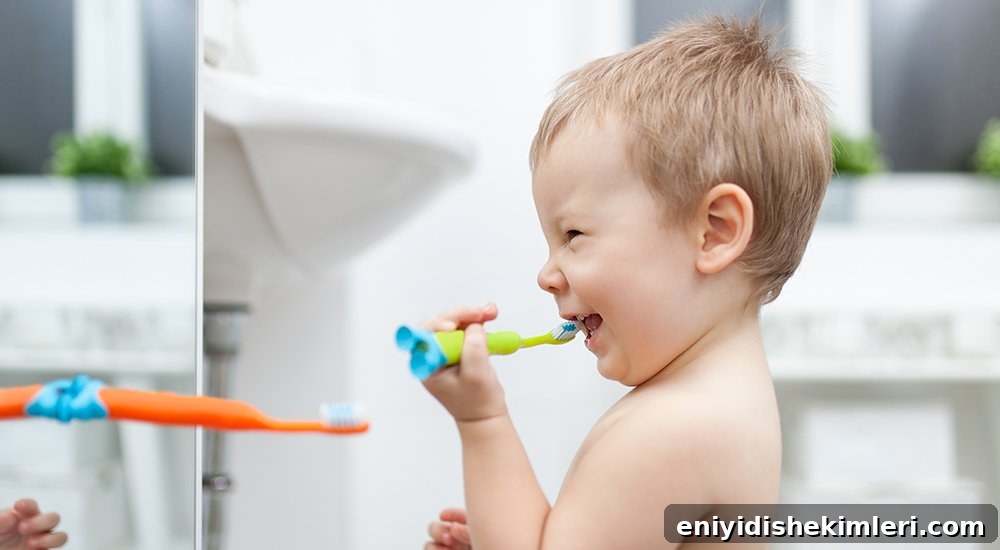
Choosing a toothpaste for a baby can feel overwhelming. With so many products labeled “baby” or “toddler,” parents often wonder which is truly safe and effective for children under two. I was reminded of that when my daughter asked me to help pick toothpaste for my 14‑month‑old granddaughter.
Here’s how the conversation went:
Catharine: What kind of toothpaste can I use for my baby?
Me: Skip it.
Yes—you can skip toothpaste if you prefer. The most important thing is that you are brushing. The physical motion of a toothbrush breaks up biofilm and prevents plaque; toothpaste is a polishing and flavoring agent, not the primary defense.
Toothpaste isn’t essential to protecting teeth—brushing and flossing are.
That said, the right baby toothpaste can be helpful once brushing becomes a calm, regular part of your child’s routine. Below I list safe options and explain what to watch for when choosing a toothpaste for infants and toddlers under two.
Why do babies need special toothpaste?
Babies and toddlers should not use regular adult toothpaste. Most young children cannot reliably spit until around age three, so they swallow whatever is in the paste. Some adult and even children’s toothpastes contain ingredients that aren’t appropriate for developing children.
So is toothpaste safe for babies? It can be—if it avoids certain ingredients. The best baby toothpastes are fluoride‑free, SLS‑free, and free of most essential oils that are strongly antibacterial.
Ingredients to Avoid in Toothpaste for Kids
1. Fluoride
Choose fluoride‑free toothpaste for toddlers. Fluoride swallowed in excess can be toxic and is linked to fluorosis; some studies raise concerns about neurodevelopmental effects with chronic exposure. If you and your dentist choose to use fluoride, track the total sources of exposure—tap water, bottled water, formula, certain foods, and more can all contribute.
2. SLS
Sodium lauryl sulfate (SLS) is a common foaming agent that can irritate sensitive mouths and has been associated with increased canker sore outbreaks. There’s no need to expose a baby’s developing oral tissues to harsh detergents; pick SLS‑free options.
3. Essential Oils
Many “natural” toothpastes use essential oils for antimicrobial action. The issue is that infants benefit from building a healthy oral microbiome rather than destroying bacterial communities. Avoid strongly bactericidal essential oils in baby toothpaste; if you make a DIY paste, leave them out or use mild flavors like anise.
When should I start brushing my baby’s teeth?
Begin as soon as teeth erupt. After every feeding, bacteria feed on sugars left on surfaces and produce acid that damages enamel. If plaque remains longer than 48 hours it can harden into tartar, which can’t be removed by brushing alone.
A damp washcloth gently wiped over new teeth is effective while your infant is mostly breastfeeding or on formula. Once more teeth appear or your child tolerates it, introduce a soft baby toothbrush. Avoid brushing while the baby is lying down to reduce gagging and make the experience positive and consistent.
The Best Baby Toothpastes for Kids Under 2
My priorities for infants and toddlers are simple: make sure teeth are being brushed and avoid toxic or irritating ingredients. Below are gentle, natural options suitable for 6–24 months. These picks avoid fluoride, SLS, and aggressive essential oils.
1. Fygg Chocolate Swirl Toothpaste
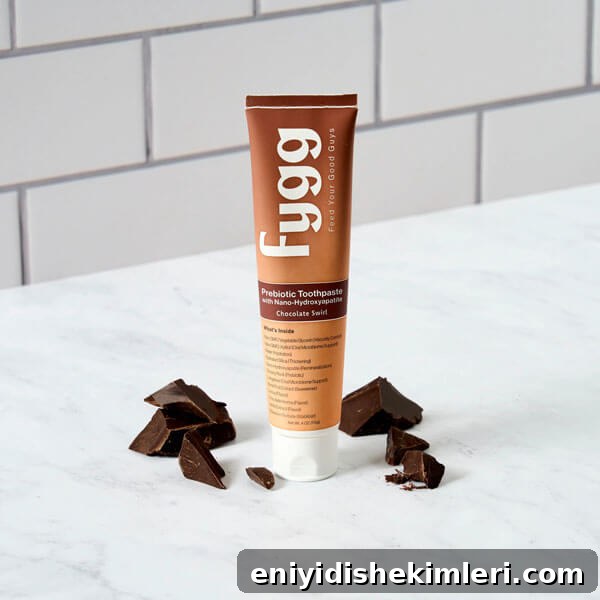
Fygg Nano-Hydroxyapatite Toothpaste with Prebiotics | Chocolate Swirl
Ingredients: Non‑GMO vegetable glycerin, non‑GMO xylitol, water, hydrated silica, nano‑hydroxyapatite, chicory root (prebiotic), L‑arginine, monk fruit extract, cocoa, chocolate aroma, vanilla extract, potassium sorbate.
2. Fygg Vanilla Vibes Toothpaste
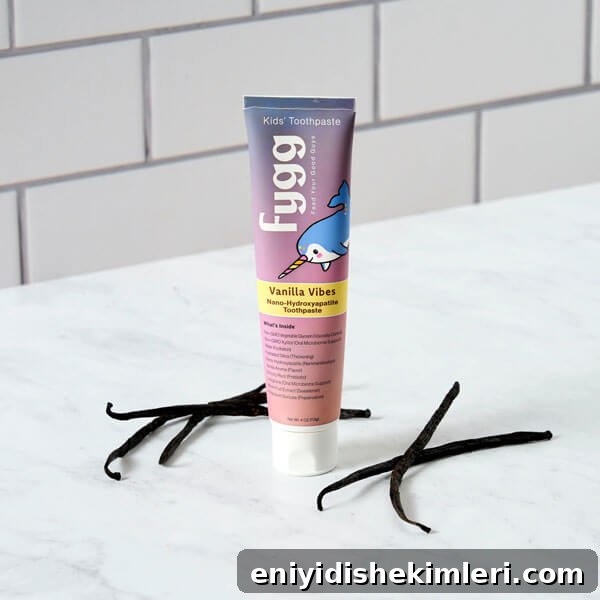
Fygg Nano-Hydroxyapatite Toothpaste with Prebiotics | Vanilla Vibes
Ingredients: Non‑GMO vegetable glycerin, non‑GMO xylitol, water, hydrated silica, nano‑hydroxyapatite, chicory root (prebiotic), L‑arginine, monk fruit extract, vanilla aroma, potassium sorbate.
How should I start brushing my baby’s teeth?
When teeth first erupt, a gentle wipe with a damp cloth after feeding is often enough. As teeth increase, transition to a soft baby toothbrush and gentle brushing after meals when possible. Keep the experience short, upbeat, and consistent—make it a pleasant habit rather than a struggle.
Never brush while the baby is lying flat to avoid triggering gagging. If gagging is an issue, slow down and work on short, positive sessions until the baby adapts.
If I don’t use fluoride toothpaste, won’t my kids get cavities?
There are many ways to support cavity prevention without daily fluoride exposure. Factors such as consistent brushing, reduced sugary exposure, and nutritional support all matter. Large reviews of water fluoridation show modest effects in many contexts, and fluoride is not the only route to strong teeth.
Practical strategies I recommend for building strong teeth in infants and toddlers include supplementation and microbiome support.
1. Cod Liver Oil
Start cod liver oil when solids are introduced. It supplies vitamins A, D, and K2, which support mineralization and overall oral health. Many dentists and parents find it beneficial for dental development.
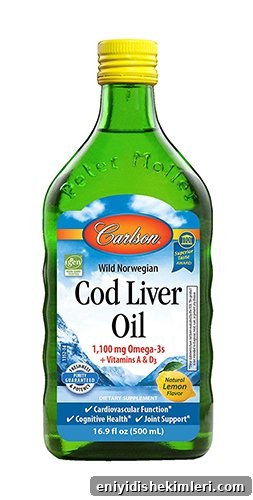
Carlson’s Wild Norwegian Cod Liver Oil
2. Infant Probiotic
An infant probiotic can help establish a healthy oral and gut microbiome, especially after C‑section birth, antibiotic exposure, or formula feeding. Use a product formulated for infants and follow dosing guidance for mixing with formula, breastmilk, or food.
3. Vitamin D and Vitamin K2 Drops
Vitamin D and K2 drops support bone and tooth mineralization and can be given from an early age, mixed into feeds or food as recommended by your pediatrician.
Final Thoughts on the Best Baby Toothpaste
To summarize:
- Read labels carefully—avoid fluoride, SLS, and strong essential oils in baby toothpaste.
- Support oral health with nutrition and probiotics: cod liver oil, a suitable infant probiotic, and vitamin D/K2 can help build strong teeth.
- If skipping toothpaste feels right for your child, that’s fine—the priority is that teeth are being brushed regularly and gently.
- Make brushing a positive routine. Praise, play, and modeling adult brushing make it more likely children will accept and enjoy dental care.
My top pick for a baby‑friendly toothpaste is Fygg Chocolate Swirl Toothpaste, a nano‑hydroxyapatite formula with prebiotics and child‑friendly flavoring.
Dr. Mark Burhenne
Learn More:8 Simple Tricks for Brushing Your Child’s Teeth