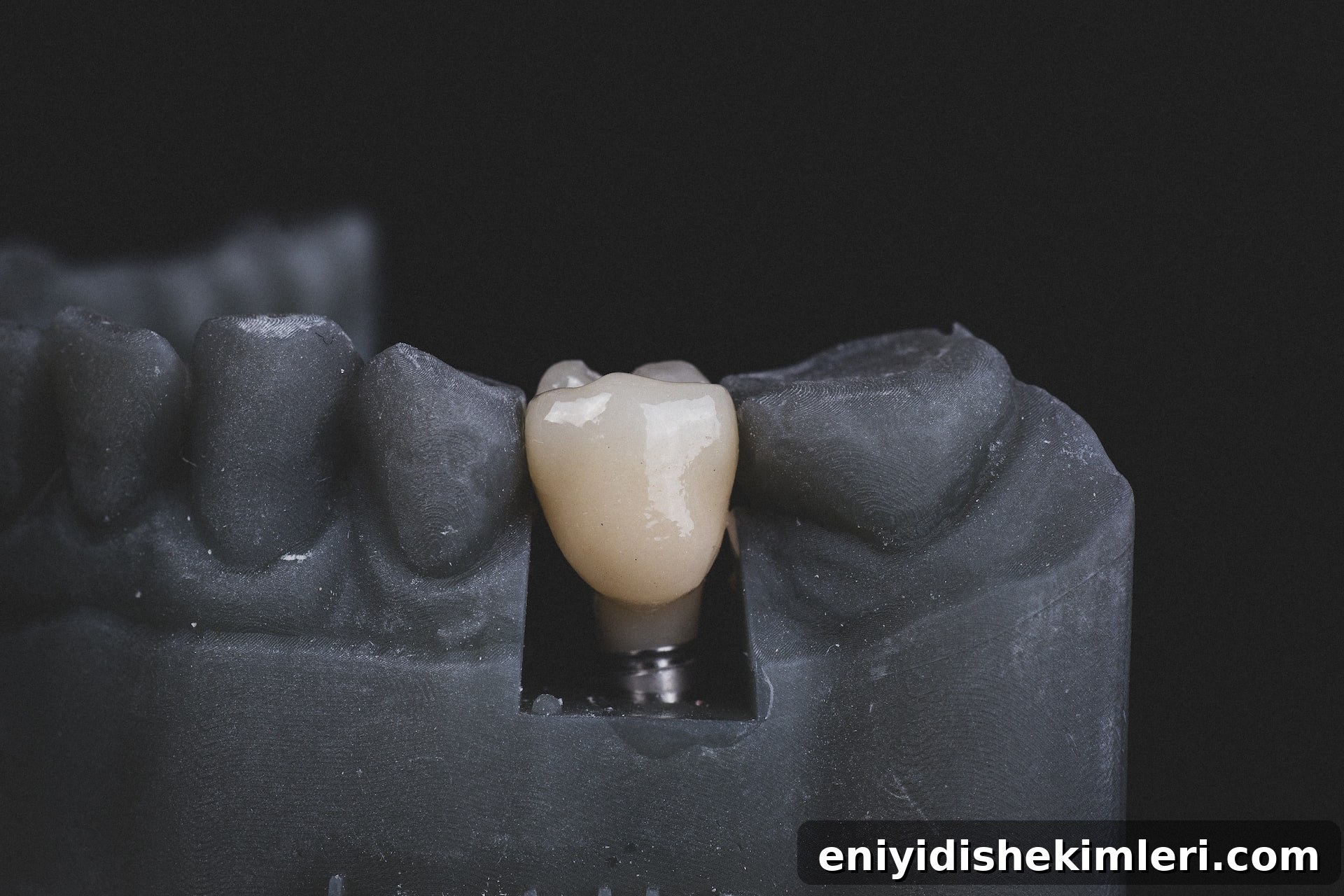
Dental implants are an increasingly popular and reliable solution to replace missing teeth or to support a dental bridge. If you are considering implants, taking time to understand the process and preparing properly will improve your experience and the chances of a successful outcome.
This guide outlines practical steps to prepare for dental implant surgery, explains common pre- and post-operative recommendations, and summarizes risks and benefits so you can make an informed decision.
Have a Comprehensive Dental Examination
Start with a full dental assessment. Your dentist will evaluate your oral health, check gum condition, review the status of neighboring teeth, and assess jawbone quality and density. These factors determine whether implants are suitable for you and identify any preparatory treatments needed, such as cleaning, extractions, or bone grafting.
Manage Your Medications
Follow your dentist’s instructions about medications. If antibiotics or other pre-operative prescriptions are given, take them exactly as directed. Inform your dentist and physician about any medications you use regularly—especially blood thinners, diabetes medications, or anti-inflammatory drugs—so they can advise if adjustments are needed before surgery to reduce risks and interactions with anesthesia.
Prepare Your Jaw When Necessary
Some patients require procedures to strengthen or reshape the jawbone prior to implant placement. Bone grafts, ridge augmentation, or a sinus lift can provide the solid foundation needed for long-term implant success. Your dentist will explain the options, timeline, and expected healing for any preparatory work.
Be Mindful of Your Diet
In the day or two before surgery avoid very hard or crunchy foods that could irritate your mouth. Also limit foods high in sugar or starch, which can increase oral inflammation. Plan to have soft, nutritious foods available—such as mashed potatoes, soups (lukewarm), applesauce, yogurt, smoothies, and pureed vegetables—for the first few days after the procedure while you heal.
Arrange Transportation and Rest
Because local anesthesia, sedation, or other medications may impair your ability to drive after the appointment, arrange for a trusted friend or family member to take you home. Allow yourself the rest of the day to recover: avoid strenuous activity, keep head elevation as recommended, and follow any specific instructions about eating or drinking immediately after surgery.
Follow Post-Surgery Instructions Closely
Your dentist will provide clear post-operative care instructions—cleaning routines, dietary recommendations, activity limits, and signs of complications to watch for. Follow these guidelines, take prescribed antibiotics or anti-inflammatories as directed, and attend scheduled follow-up visits so healing can be monitored and any concerns addressed promptly.
Weigh Risks and Benefits
Dental implants offer durable function and a natural appearance, often improving chewing ability and oral health long-term. As with any surgery, there are risks such as infection, implant failure, nerve irritation, or sinus issues depending on location. Good pre-operative assessment, careful surgical technique, and diligent aftercare greatly reduce these risks.
Overall
Proper preparation helps ensure a smoother implant experience and better long-term results. Get a thorough dental evaluation, communicate openly about your medications and health conditions, follow pre- and post-operative guidance, and arrange for transportation and rest after the procedure. With thoughtful preparation and professional care, dental implants can be a comfortable, effective way to restore your smile.
MDIS® offers dependable dental implant services in Livingston, Sarasota, Sun City Center, and TampaCenter. Our team of dentists focuses on personalized care to help you achieve a healthy, confident smile. Book an appointment to discuss your options and plan the best approach for your needs.