If you’re a parent, you already know teething can be uncomfortable for both you and your baby. Recognizing the signs and knowing when to expect them makes it easier to choose safe, effective ways to soothe sore gums and reduce discomfort.
Does this sound familiar?
Just when your routines feel settled—feedings, diaper changes, and longer stretches of sleep—your baby starts teething. Suddenly your little one may refuse feeds or naps and seem fussier than usual. While teething is often the cause, other issues can mimic these symptoms, so it helps to understand what teething typically looks like.
Most infants begin teething between four and twelve months of age. For many babies the process is only mildly uncomfortable, but some experience more noticeable symptoms such as increased drooling, irritability, refusing milk, or disrupted naps.
Teething may also serve an evolutionary role: the urge to chew on firm objects helps prepare the jaw and mouth for emerging teeth and supports future oral development. Supporting your baby through teething helps ensure healthy growth of teeth, mouth, and jaw while relieving pain when needed.
This article explains how to recognize teething, what to expect during the process, and practical, safe ways to ease your baby’s discomfort. It also reviews common remedies—what works, what to avoid, and which options support healthy oral development.
What is teething?
Although babies appear toothless at birth, their primary teeth lie beneath the gums and gradually erupt through the gum line. By age three most children have a full set of 20 primary teeth. These baby teeth will eventually fall out and be replaced by permanent teeth later in childhood.
Teeth usually emerge in stages and in a predictable order for many babies, often starting with the lower central incisors. Teeth may sometimes appear out of order, which is typically not a concern. In rare cases a baby is born with one or more teeth.
Overall, a wide range of teething experiences falls within normal development.
When does teething start and end?
The timing of teething is largely genetic—if you or your family got teeth early, your baby might too. The lower central incisors commonly erupt around 4–7 months, followed by the upper central incisors around 8–12 months.
Upper lateral incisors typically appear around 9–13 months and lower lateral incisors around 10–16 months. First molars usually come in next (upper first molars around 13–19 months and lower first molars around 14–18 months). Canines (cuspids) often emerge between 16–23 months, and upper second molars usually arrive around 25–33 months, generally marking the end of the primary teething phase.
These are general guidelines—if no teeth have erupted by 18 months, consult a pediatrician or dentist for evaluation.
What are teething symptoms?
Some babies show no symptoms, while others experience one or more of the following:
-
- Reduced appetite: Inflamed gums can make feeding less comfortable.
- Increased drooling: More drooling than usual is common during teething.
- Sore, tender gums: The gums may look sensitive where a tooth is about to appear.
- Chewing or gnawing on objects: Biting and mouthing help apply counterpressure to relieve pain—keep unsafe objects out of reach.
- Mild fussiness: Discomfort can make babies more irritable than normal.
- Red, swollen gums: Local inflammation is often visible where a tooth is erupting.
What symptoms are probably not related to teething?
Teething can cause discomfort but typically does not cause high fevers, persistent diarrhea, severe sleep disturbances, or significant illness. Despite common myths, runny nose, high fever, and prolonged diarrhea are unlikely to be caused by teething. However, small breaks in gum tissue can make babies more susceptible to infections that do cause those symptoms.
If your child appears very unwell, consult a doctor—serious symptoms are not normal for teething alone.
How can I ease teething discomfort?
There are several gentle, effective ways to comfort a teething baby:
Gum massage: Rubbing clean fingers, a soft washcloth, or a gum-rubbing pad over swollen gums provides safe, immediate counterpressure.
Cold items: A chilled (not frozen) spoon, a cool wet washcloth, or chilled purees like applesauce can soothe sore gums. Avoid frozen items or anything hard enough to damage gums.
Edible options with caution: Commercial teething biscuits are available but often high in processed carbohydrates. A mesh feeder filled with chopped fruit is a safer edible option that reduces decay risk while allowing chewing.
Teething rings and toys
Teething rings are effective because the chewing action applies pressure to gums. Chilling teething rings in the refrigerator can enhance relief, but do not freeze them, as frozen or damaged rings can be dangerous.
Choose solid, BPA-free materials. Avoid liquid- or gel-filled rings that could leak and avoid soft jewelry intended to be worn, like necklaces or bracelets, which pose choking and strangulation hazards and offer little developmental benefit.
I recommend wooden teething toys sealed with safe, food-grade oils. Their firmness supports proper chewing and facial development without the chemical concerns of some plastics.

Other natural remedies and distraction
Some parents find that chilled herbal teas (for example, chamomile or clove made into weak, cooled washes) applied on a cloth can be soothing. Always use caution with herbs and check with your pediatrician before introducing them.
Distraction is also powerful: a favorite toy, a walk outside, or a story can shift a baby’s focus away from discomfort. Fresh air and a change of scenery often help reset a fussy baby.
Teething symptoms often appear a few days before a tooth breaks the gum and typically ease within a few days after the tooth erupts.
What teething remedies should be avoided?
The FDA advises against benzocaine-containing teething gels for children under two years, as they can rarely cause methemoglobinemia, a dangerous reduction in blood oxygen. For similar safety reasons, avoid numbing gels and topical anesthetics unless specifically directed by a medical professional.
Oral painkillers intended for children should be used only sparingly and under pediatric guidance, following correct dosing. Never apply alcohol or other home remedies like brandy to a baby’s gums—alcohol can be dangerous for infants.
How do I care for my baby’s new teeth?
Primary teeth need care because decay can begin as soon as teeth appear. Clean new teeth gently with a soft cloth after feedings, and avoid putting baby to bed with a bottle of milk or juice.
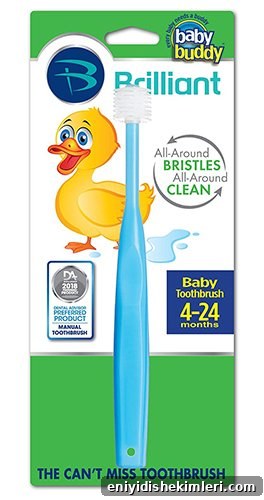
Schedule your baby’s first dental visit when the first tooth appears or by the first birthday, whichever comes first. As more teeth come in, introduce a soft-bristled baby toothbrush and follow pediatric dental guidance on fluoride use and oral hygiene.
Final thoughts on teething
Teething is a normal stage that can be trying but is temporary. Most babies return to their usual selves once a tooth has erupted. Key points to remember:
- Offer safe chewing options such as wooden or BPA-free teething toys and consider chilled (not frozen) items for extra relief.
- Avoid topical numbing gels containing benzocaine and other unsafe or unproven remedies.
- Use distraction and comfort measures like walks, favorite toys, and extra cuddling.
- Ask for help so you can rest—caring for a teething baby is demanding and a break can help both of you.
With gentle care and a few practical strategies, you can ease your baby’s teething discomfort and support healthy oral development.