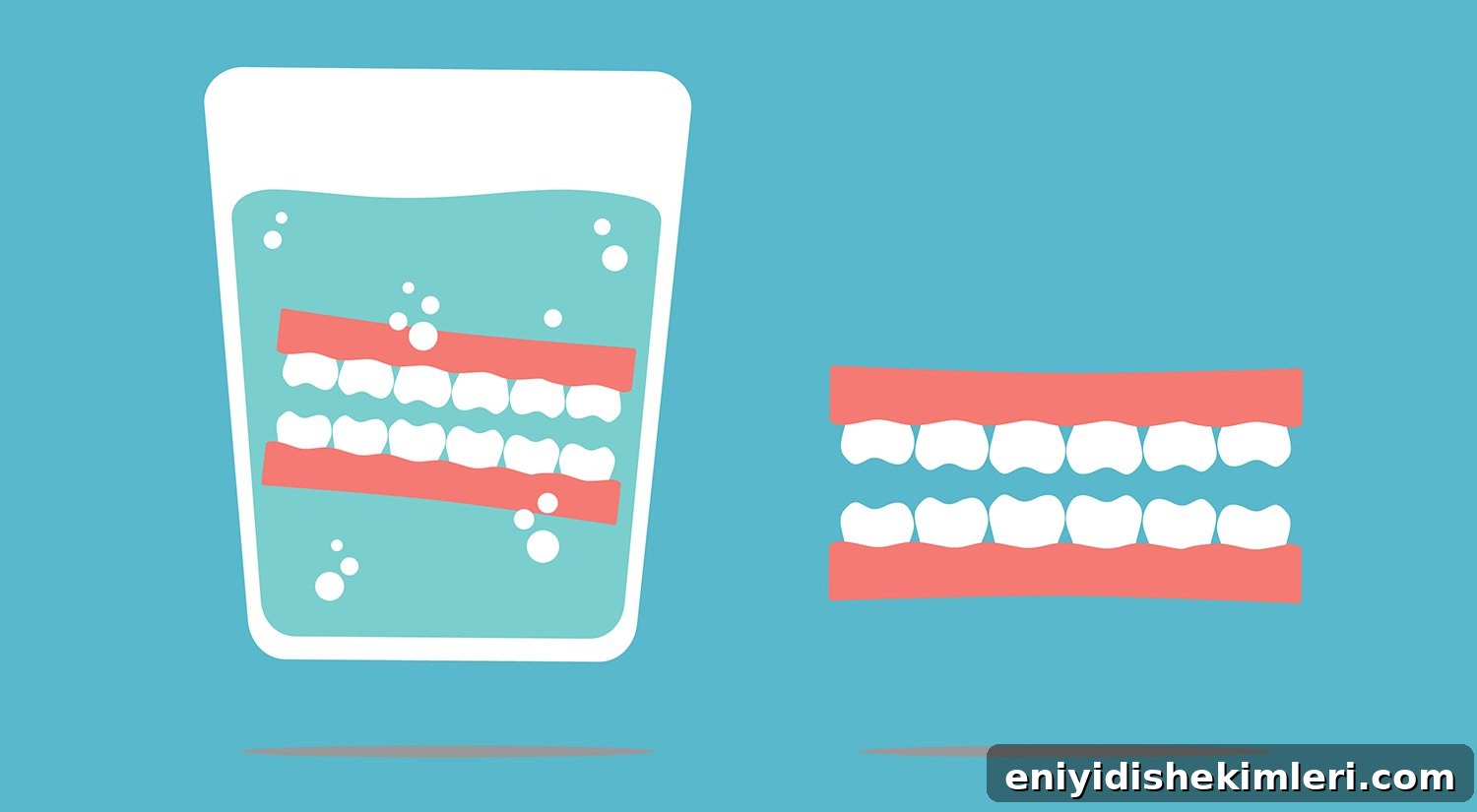
Facing the idea of living with dentures can feel overwhelming and emotional. You may have many questions: How much do dentures cost? How do I care for them? Are there different types? Will I adjust to them? And will I ever be able to eat corn-on-the-cob again?
This article aims to answer those questions, help you make informed decisions, and give you peace of mind. Read on — you are not alone in this experience.
11 Terms You Might Hear and What They Mean
1. Edentulous
Edentulous means lacking teeth. Losing some teeth is called partial edentulism; losing all teeth is complete edentulism.
2. Prosthodontics
Prosthodontics is the dental specialty focused on diagnosing, planning, rehabilitating, and maintaining oral function, comfort, appearance, and health for patients with missing or deficient teeth and oral tissues. A prosthodontist is a dentist with additional training who specializes in dental prostheses and tooth restoration.
3. Relining
Relining reshapes the underside of a denture so it fits more closely against the gums. It improves fit and comfort without changing the denture’s appearance.
4. Rebasing
Rebasing replaces the pink acrylic base of the denture while keeping the teeth in the same positions.
5. Denture Stomatitis
Stomatitis refers to inflammation or soreness in the mouth. It can occur with or without dentures but is more likely if dentures aren’t cleaned properly or are worn continuously. Often it is painless and appears as redness, but any concerns should be checked by your dentist.
6. Thrush
Oral thrush is a fungal infection that can appear as creamy white patches. Poor denture hygiene or wearing dentures overnight can increase the risk.
7. Mastication
Mastication simply means chewing.
8. Gingivitis
Gingivitis is inflammation of the gum tissue and can progress to more serious gum disease if untreated.
9. Periodontitis
Periodontitis is advanced gum disease that causes loss of the supporting bone around teeth and can result in tooth loss.
10. Occlusion
Occlusion describes how the upper and lower teeth contact each other — essentially, your bite.
11. Dental Adhesive
Over-the-counter dental adhesives can help improve stability and confidence. Your dentist can recommend which adhesive, if any, is appropriate for your situation.
How Much Will My Dentures Cost?
Costs vary greatly depending on your needs, the type of dentures, your dentist, and any extra procedures required. If some natural teeth can be saved, you may receive partial dentures; if most or all teeth must be extracted, you’ll likely need full dentures. Quality also varies, so choose a reputable dentist you trust.
As a rough guide, a full set of dentures can range from about $1,000 to $4,000, with premium options closer to $8,000. Partial dentures typically range from $500 to $1,500. Extractions, if needed, can cost roughly $75 to $450 per tooth.
Will my insurance cover dentures?
Coverage depends on your specific insurance policy. Always check with your insurer before proceeding so you understand benefits, requirements, and whether your chosen dentist accepts your plan.
How can I afford dentures without good insurance?
Consider dental schools, which often provide treatment at reduced rates, and look into financing or payment plans offered by many dentists. You can also explore supplemental dental insurance before you begin treatment.
Will Medicare cover dentures?
Medicare generally does not cover most dental procedures, including dentures.
What about advertised “cheap” dentures?
Be cautious of offers that sound too good to be true. Research the provider, ask for references, and prioritize quality and reputation over price alone.
12 Common Questions About Dentures
1. Where do I begin?
Start with a dentist you trust. They will assess your oral health, discuss options and timelines, provide cost estimates, and refer you to a prosthodontist if needed.
2. How can I get a first-hand report?
Many people have dentures. If friends or family don’t, ask your dentist for patient references so you can hear real experiences from denture wearers.
3. Will my dentures ever feel normal?
Yes. While they won’t feel exactly like natural teeth, most people adapt. Muscles in your cheeks, tongue, and lips, plus suction for upper dentures, help keep them in place.
4. How long will my dentures last?
Expect dentures to last at least five years; many last longer. Lifespan depends on wear, oral changes, and care. Regular dental check-ups help detect wear or fit issues early.
5. Will people notice my dentures?
Modern dentures are designed to look natural. A skilled dentist will make them realistic in shape, color, and alignment.
6. Do I have to be without teeth for weeks?
Some patients receive immediate dentures at the time of extraction, while others wait for healing before placement. Your dentist will advise the best approach for your case.
7. Will my speech be affected?
Some sounds may be challenging at first, but most speech issues improve with practice as you adapt to the dentures.
8. Can I eat with dentures?
Yes. Start with soft foods and gradually reintroduce chewier items. Denture adhesive can help with stability, and your dentist will provide eating tips.
9. Why do upper dentures feel more stable than lower ones?
Upper dentures often gain suction from the palate, making them more stable. Lower dentures can take longer to adjust to; implants or clip-on solutions can improve retention for the lower arch if needed.
10. Are dentures the best option?
Dentures are a reliable and affordable tooth-replacement option, but implants and bridges more closely mimic natural teeth. Your dentist will recommend the best solution based on your oral health and budget.
11. Can I sleep in my dentures?
While you can, most dentists advise removing dentures nightly to allow your gums to rest and to clean them thoroughly.
12. Anything positive about getting dentures?
Yes — you’ll regain a functional, attractive smile affordably. Millions of people wear dentures successfully, and many find them life-changing.
Types of Dentures
Conventional Dentures
Conventional (complete) dentures are made and placed after remaining teeth are removed and gums heal. They are fully removable and may take several months to complete.
Immediate Dentures
Immediate dentures are inserted right after extractions so you aren’t without teeth during healing. Because gums and bone shrink during healing, immediate dentures often need relining or adjustments.
Overdenture
An overdenture fits over and is supported by remaining natural teeth or roots that have been prepared to help retain the denture.
Full Dentures
Full dentures replace all teeth in the upper and lower jaws.
Partial Dentures
Partial dentures fill gaps where some natural teeth remain. They are usually removable and may be retained by clasps or attached to crowns.
Fixed Dentures and Bridges
Fixed dentures and bridges are permanently cemented or attached and are not easily removable. They may be supported by crowns or implants.
Implants and Implant-Supported Dentures
Implants are artificial tooth roots placed in the jawbone and topped with replacement teeth. Implant-supported dentures attach to these implants, offering improved stability compared with conventional dentures.
Implants vs. Dentures
Implants more closely mimic natural teeth in feel and function but are more expensive and require suitable bone and gum health. Not everyone is a candidate for implants; your dentist will advise which option best fits your needs.
Materials Used in Dentures
The teeth in dentures are commonly made from acrylic resin or porcelain. Porcelain looks and feels closer to natural enamel and is durable, but it is heavier, more prone to chipping if dropped, can wear opposing natural teeth, and may click when biting. Acrylic resin bonds well to the denture base, is lighter and less expensive, but wears faster and may need replacement sooner.
The denture base is typically made from rigid acrylic resin, flexible nylon polymers, or metal alloys such as chrome-cobalt. Acrylic bases can be tinted to match gum color, while metal frameworks are stronger and often used for partials where they can be discreetly placed behind natural teeth.
The Denture Procedure
Your dentist will assess your oral health and recommend a plan. For traditional dentures, the typical steps are:
- Take impressions.
- Measure your bite to align the jaw.
- Set denture teeth in wax for appearance and fit preview.
- Perform one or more try-on appointments.
- Insert the finished dentures after fabrication.
For immediate dentures:
- Impressions are taken before extractions.
- Dentures are made from a model of your current mouth.
- Dentures are placed immediately after extractions.
- Follow-up visits are common to adjust fit as healing progresses.
When Should I Replace My Dentures?
Continue regular dental visits after receiving dentures. Signs that you may need new dentures, a reline, or a rebase include:
- Dentures feel loose.
- Discomfort or pain.
- Signs of infection or persistent irritation.
- Visible wear or damage to the dentures.
- Changes in facial appearance, such as a collapsing look around the mouth.
How to Clean Your Dentures
Cleaning dentures is as important as caring for natural teeth. Proper care reduces the risk of plaque buildup, infections, and irritation. General cleaning tips:
- Clean your dentures twice daily — in the morning and at night — and rinse after eating to remove debris.
- Brush all denture surfaces and remove any adhesive residue.
- Clean over a towel or basin filled with water to prevent breakage if dropped.
- Clean your mouth each time you clean dentures: brush any remaining natural teeth, the roof of your mouth, tongue, and cheeks with a soft brush.
- Keep dentures moist when not worn by storing them in water or a recommended soaking solution; never use hot water.
- Soak dentures overnight in a denture-cleaning solution recommended by your dentist, and rinse thoroughly before wearing them again.
- Avoid toothpaste, whitening products, bleach, stiff-bristled brushes, hot water, and dishwashers for denture care.
Losing natural teeth is difficult, but modern dentures are more comfortable, natural-looking, and durable than before. With a trusted dentist and proper care, dentures can restore function and confidence. I hope this article has helped you feel more informed and reassured.
Good luck!
Dr. Mark Burhenne
Got more questions about dentures? Ask your dentist for personalized advice.