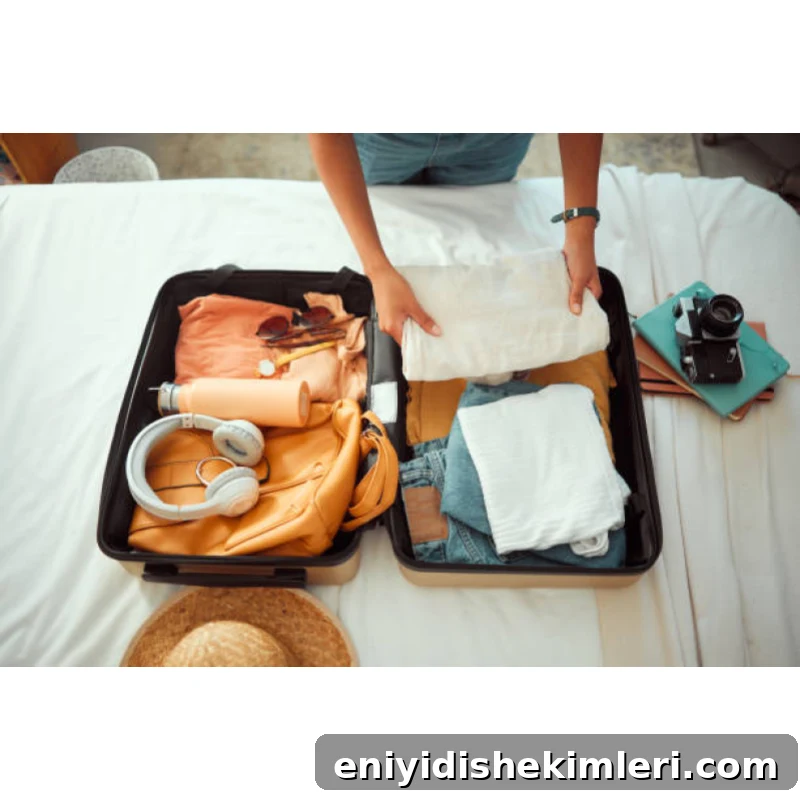
I’ve been thinking about the three months my wife and I spent in Europe last year.
Roseann and I traveled through Portugal, Spain, Italy, and Germany—visiting family, exploring cities, and touring the Fluidinova factory where we source the nano-hydroxyapatite used in Fygg.
Below is what I packed for oral health and overall wellness: what worked, what didn’t, and what I’ll leave behind (or bring) next time.
The Non-Negotiables (I Would Pack Again Every Time)
1. CoQ10 – Mitochondria need CoQ10 to function. It supports cellular energy production in all tissues, including metabolically active gum tissue. Travel stress, different foods, and unfamiliar sleep environments can sap energy; CoQ10 helped maintain my energy and gum health. I take 200 mg daily.
2. Vitamin D3 + K2 – We spent a lot of time indoors in museums and cafés. Vitamin D3 helps with calcium absorption, but without K2 calcium can end up in soft tissues instead of bones and teeth. Combining D3 with K2 helps direct calcium to the right places.
3. Magnesium Supplement – Jet lag, shifting time zones, and walking long distances make magnesium especially useful. It helped me sleep, recover, and maintain saliva flow. I take it 1–2 hours before bed.
4. Xylitol Gum – After nearly every espresso, I chewed xylitol gum. It stimulates saliva, reduces cavity-causing bacteria, and helps neutralize oral pH. Studies show as little as 5 grams daily can significantly reduce cavity risk. I prioritize gums without microplastics or essential oils and prefer those that use chicle over synthetic bases.
5. Nano-Hydroxyapatite Toothpaste – Travel can increase sensitivity and enamel wear due to stress, different water, and changing diets. Nano-hydroxyapatite fills microscopic enamel defects and strengthens the surface, making it a great travel toothpaste.
6. Floss Stick – I avoid putting my fingers in my mouth while traveling, and string floss was impractical on overnight trains. A floss stick with gum sweeps was compact and effective for daily use.
7. Plastic Tongue Scraper – Tiny and portable, a tongue scraper removes surface bacteria and reduces bad breath. I scrape every morning before brushing; it only takes a few seconds and helps support the oral microbiome.
8. Xylitol Nasal Spray – Air travel dries out the nasal passages. Keeping the nose moist makes nasal breathing easier and helps trap pathogens before they reach the lungs. I used xylitol nasal spray before flights to support that natural barrier.
9. Oura Ring – At home my sleep routine is predictable, but changing time zones disrupted everything. A sleep tracker showed me the true extent of jet lag and recovery, and the readiness score helped guide daily activity intensity.
10. Approach Shoes – Walking 8–14 miles a day requires supportive, versatile shoes. My approach shoes were comfortable enough for long walks and presentable for restaurants and city streets.
11. CO2 Sensor – Ventilation in hotels and Airbnbs varies. High indoor CO2 correlates with poor air exchange and worse sleep. I used a CO2 monitor to decide when to open windows or adjust ventilation.
12. Digestive Enzymes – Unfamiliar cuisines can challenge your digestion. Digestive enzymes helped me break down different meals and avoid bloating that could spoil a day of travel.
What I Skipped (Or Wish I Had)
1. Electric Toothbrush ❌ – I love my Sonicare at home, but it’s bulky for extended travel. Next time I’ll bring a compact travel toothbrush that folds into itself and has extra-soft bristles. Soft bristles are a must—please avoid anything firmer than extra soft.
2. Omega-3 Fish Oil ❌ – We ate fresh fish multiple times each week: grilled sardines in Lisbon, paella in Barcelona, and fresh catches along the Amalfi Coast. Olive oil is also served frequently and provides anti-inflammatory fats. Between regular seafood and olive oil, I didn’t need an extra omega-3 supplement while traveling.
3. Oil Pulling Blend ❌ – I’ve practiced oil pulling for years and use an MCT blend at home, but a glass jar broke in my bag somewhere between Lisbon and Porto. Cleaning oil out of clothes and luggage was a major hassle. Plus, TSA liquid rules make oil pulling impractical on the road. A tongue scraper is simpler and sufficient while traveling.
Spending three months living out of a suitcase reminded me how little we actually need compared with the many gadgets and products we keep at home. Traveling light felt liberating. You don’t need everything—just the right essentials that truly impact your health, energy, and longevity.
What are your must-have travel essentials?
– Mark