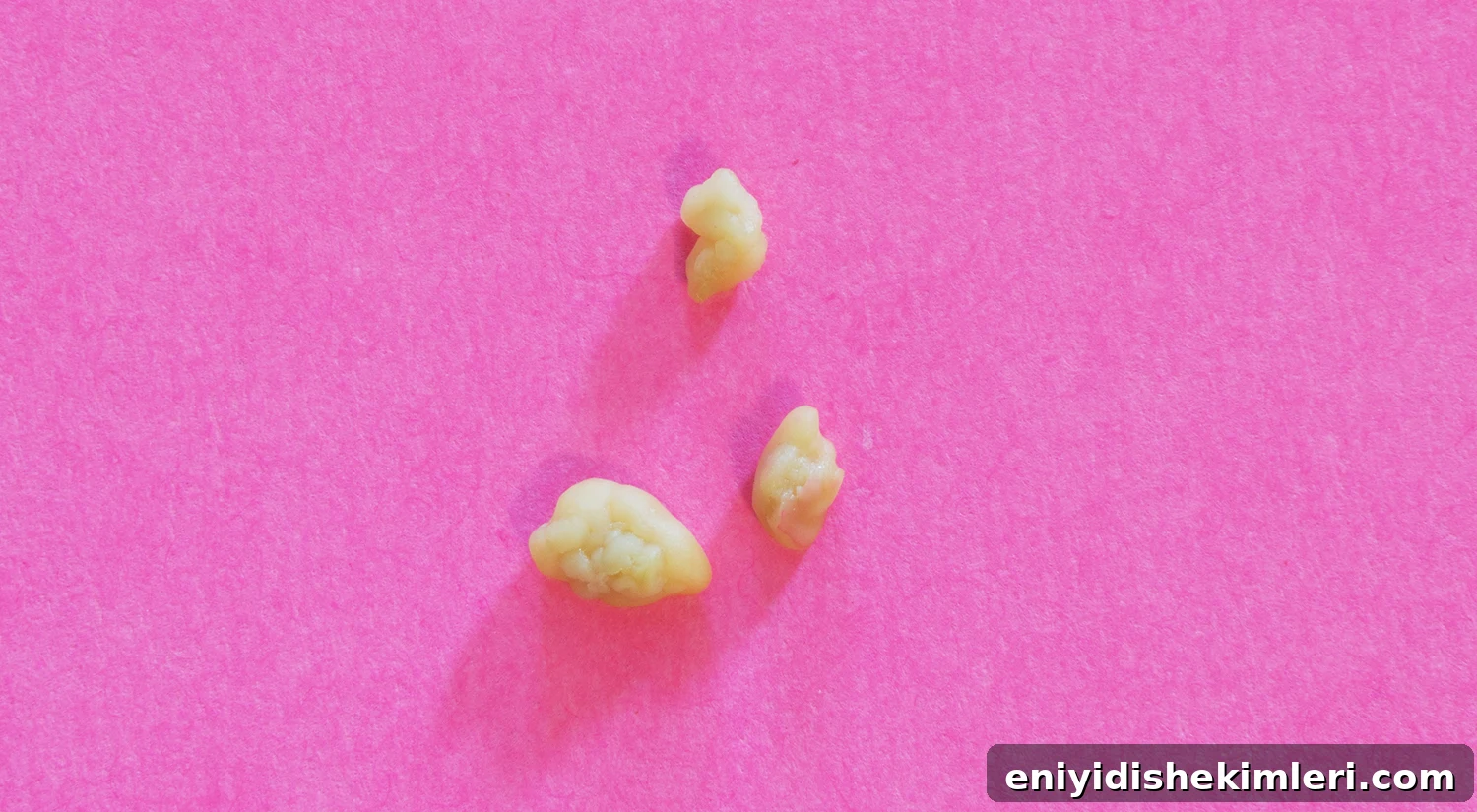
What are tonsil stones?
Tonsil stones (tonsilloliths) are small yellowish or white calcified deposits that form on the tonsils, the soft tissue at the back of the throat. They range in size from a tiny grain to a large mass the size of a grape. Tonsil stones form when debris, bacteria, and mucus collect in the crevices (crypts) of the tonsils and calcify. They are often linked to imbalances in the oral microbiome and to factors that allow material to accumulate in the tonsillar crypts.
Causes of Tonsil Stones
Tonsil stones develop in the tonsillar crypts and can arise from several contributing factors.
Common causes include:
- Poor dental hygiene, which allows food particles and bacteria to build up
- Chronic mouth breathing, which dries the mouth and concentrates debris
- Deep tonsillar crypts where particles easily lodge
- Large tonsils that provide more surface area for buildup
- Chronic tonsillitis or repeated inflammation of the tonsils
- Hormonal changes, such as during pregnancy, that affect mucus and bacterial balance
- High blood calcium combined with inadequate vitamins K2 and D3, which can promote calcification
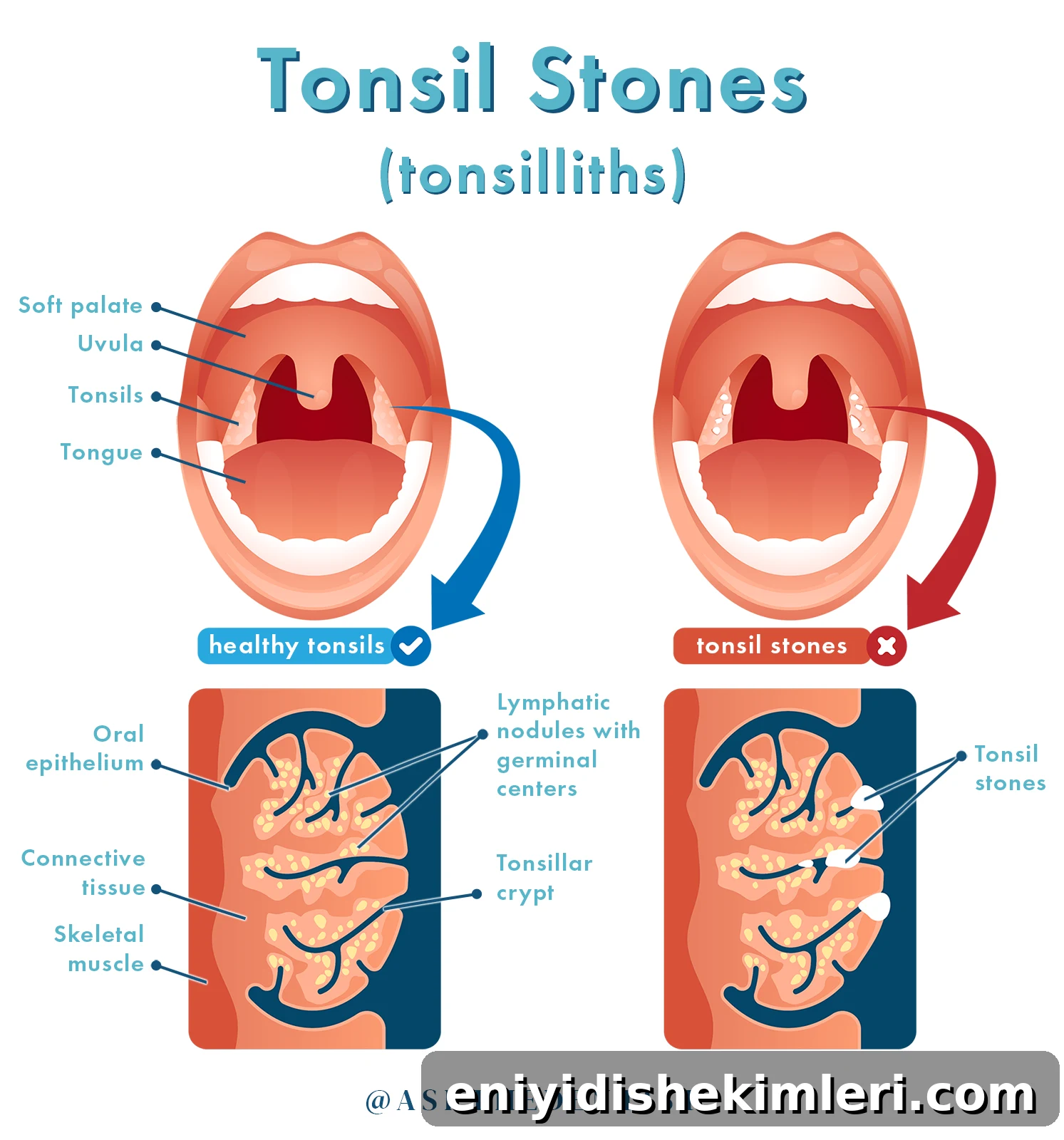
Tonsil Stone Symptoms
Small tonsil stones can be asymptomatic and go unnoticed. When symptoms appear, they often affect comfort and breath odor.
The most commonly reported signs are chronic bad breath and a persistent sensation that you need to swallow. Other frequent symptoms include:
- Visible yellowish or white deposits on one or both tonsils
- Sore throat or throat irritation
- Difficulty swallowing
- Referred ear pain
- A persistent cough
- Enlarged or inflamed tonsils
Tonsil Stones Pictures
The images below illustrate typical presentations of tonsil stones, from small deposits to larger, more obvious formations.
References
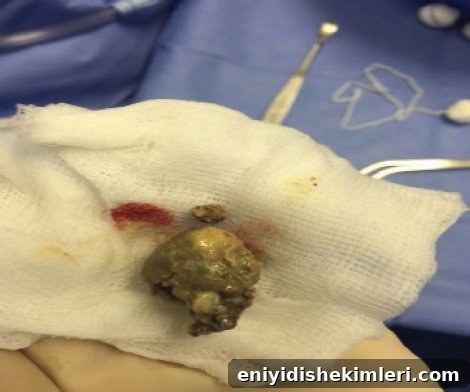
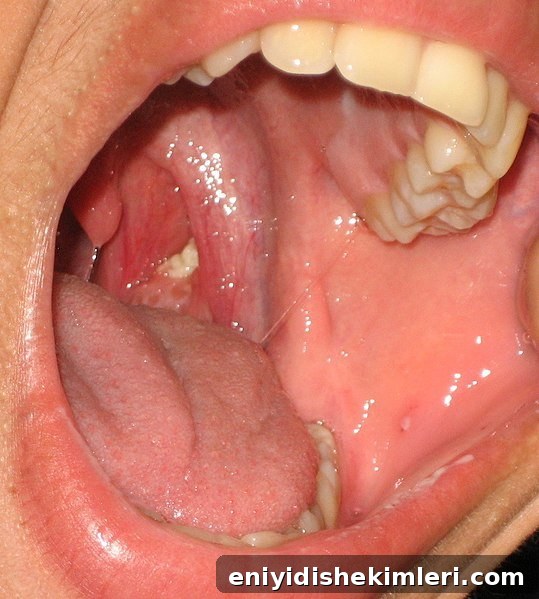
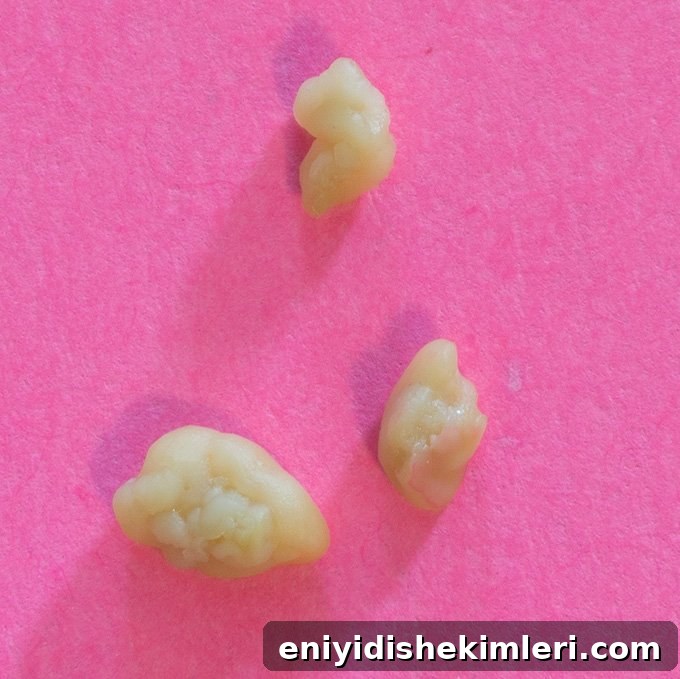
Tonsil Stones
Many tonsil stones dislodge and fall out on their own. If they cause discomfort or persistent bad breath, removal may be desirable. Caution is important: avoid unsafe methods such as using sharp instruments, tweezers, or harsh force that can damage the tonsil tissue.
Safe at-home measures to try include:
- Gargling vigorously with warm salt water to loosen debris
- Using an oral irrigator or gentle water flosser to flush the crypts
- Gently nudging a visible stone with a cotton swab, being careful not to injure the tissue
- Inducing a strong cough to help dislodge loose material
Consult a healthcare professional if you experience any concerning signs, including:
- Marked asymmetry in tonsil size
- Blood in saliva
- Difficulty swallowing, speaking, or breathing
- Severe pain, persistent swelling, or lumps in the neck
- Intense oral or throat pain
Tonsil Stone Removal at the Doctor/Dentist
If home remedies fail or stones are large and symptomatic, a dentist, oral surgeon, or ENT specialist can remove them. Minor in-office procedures can extract stubborn stones safely. For persistent or recurrent cases, surgical options may be discussed.
Treatment for Recurring Tonsil Stones
When tonsil stones recur frequently, clinicians may recommend medical or surgical interventions tailored to the severity and frequency of episodes.
Medications sometimes used include:
- Anti-inflammatory drugs: Over-the-counter or prescription anti-inflammatories can reduce tonsil swelling, ease discomfort, and help with removal.
- Antibiotics: Short courses may reduce bacterial load during severe flare-ups, but they are not a long-term solution and should be used sparingly due to the risk of antibiotic resistance.
Surgical options for frequent or severe cases include:
- Laser tonsil cryptolysis: A minimally invasive laser procedure to smooth or remove tonsillar crypts under local anesthesia. Recovery is typically short.
- Coblation cryptolysis: Uses controlled radiofrequency energy to reduce crypts without significant heat, performed under local anesthesia with minimal recovery time.
- Tonsillotomy: Partial removal of the palatine tonsils (partial tonsillectomy) under general anesthesia. It is less invasive than a full tonsillectomy and often has a quicker recovery.
- Tonsillectomy: Complete removal of the tonsils and, if necessary, adenoids. This more extensive surgery is considered when other options fail or when tonsil issues severely affect quality of life.
Because surgical procedures carry risks, they are typically reserved for cases where tonsil stones significantly impair daily life or when conservative measures fail.
How to Prevent Tonsil Stones
Preventing tonsil stones focuses on maintaining a healthy oral environment, reducing debris in the mouth, and treating contributing conditions.
Helpful prevention strategies include:
- Brush your teeth at least twice daily and after consuming sugary or acidic foods.
- Use a remineralizing toothpaste if recommended by your dentist.
- Scrape your tongue daily to remove bacterial buildup.
- Floss every day to reduce trapped food and bacteria.
- Follow a nutrient-rich diet low in excessive sugar and processed foods.
- Consider oral probiotics if you have persistent bad breath or signs of gum disease.
- Visit your dentist and hygienist regularly for professional cleanings.
- Avoid alcohol-based or broad-spectrum antibacterial mouthwashes unless advised, as they can disrupt the oral microbiome.
- If mouth breathing or sleep-disordered breathing is present, address it with your healthcare provider; tools like mouth tape may help some individuals, but consult a clinician first.
- Quit smoking and avoid vaping or other tobacco products.
- Limit alcohol consumption and treat chronic tonsillitis or sinus infections with appropriate medical care.
Diagnosing Tonsil Stones
Diagnosis usually begins with a physical exam by your dentist or primary care provider, who can often see the characteristic white or yellow deposits. If stones are hidden in deep crypts, imaging such as CT or MRI may be used to locate them; standard X-rays are less reliable for identification.
If necessary, your provider may refer you to an ear, nose, and throat (ENT) specialist for further evaluation and treatment.
FAQs
Q
Are tonsil stones contagious?
A
Tonsil stones themselves are not contagious, but the oral bacteria associated with them can be shared through close contact like kissing or sharing utensils. That can transfer some of the microbes that contribute to stone formation.
Q
Why do tonsil stones smell so bad?
A
Tonsil stones harbor anaerobic bacteria that produce sulfur-containing compounds. These compounds have a characteristic foul odor, which is why stones often cause bad breath.
Q
How long do tonsil stones last?
A
Duration varies: many tonsil stones resolve on their own within one to three weeks. Some small stones appear and disappear quickly, while larger stones can persist for months or years if not removed.
Q
How common are tonsil stones?
A
Estimates suggest that a small percentage of adults experience symptomatic tonsil stones. Risk factors that increase likelihood include male sex, age over 40, certain ethnic backgrounds, poor oral hygiene, and frequent tonsil or sinus infections.
References
- Selected clinical case reports and prevalence studies on tonsilloliths and treatment options.
- Guidance from otolaryngology and dental literature regarding diagnosis and management of tonsil stones.