
Understanding and preventing cancer is a major public health priority, and oral cancer is no exception. Oral cancer may be more common than many people realize and can be life-threatening if not detected early.
Because mouth cancers are sometimes overlooked, recognizing warning signs, knowing diagnostic steps, understanding treatment options, and taking preventive measures can make a decisive difference.
This article explains what oral cancer is, where it appears, common symptoms, diagnostic procedures, staging, treatment options, prevention strategies, and resources for recovery and support.
What is mouth (oral) cancer?
Cancer is the uncontrolled growth of abnormal cells that can invade surrounding tissues and spread to other parts of the body. Oral cancer affects tissues of the mouth and related structures.
Oral cancer can occur in many parts of the mouth and oral cavity, including:
- Teeth
- Lips
- Lining of the lips and cheeks
- The front two thirds of the tongue
- Roof of the mouth (hard and soft palate)
- Gums
- Floor of the mouth beneath the tongue
Oral cancer is fundamentally a disease of the genes: genetic changes disrupt normal cell division, producing malignant tumors that can invade nearby tissue.
Environmental exposures and lifestyle factors can influence how those genetic changes act, sometimes triggering cancer through epigenetic mechanisms. While each patient’s situation differs, the common risk is that abnormal cells can grow unchecked and metastasize to distant organs.
Most mouth cancers arise from squamous cells—the thin, flat cells that line the lips, oral cavity, and tongue. A persistent white or red patch in the mouth or on the lips lasting longer than a few weeks should raise concern.
As a practical guideline, lesions that resolve within two weeks are usually benign; persistent patches should be evaluated by a professional.
Squamous cell carcinoma, cancer of these flat lining cells, accounts for the majority of oral cancer cases. Despite a single diagnostic label, squamous cell cancers and precancerous lesions can appear in diverse forms and colors.
Symptoms and Diagnosis of Oral Cancer
Early recognition of signs improves outcomes. If you notice any of the following signs that persist, contact your dentist or doctor promptly:
Common warning signs include:
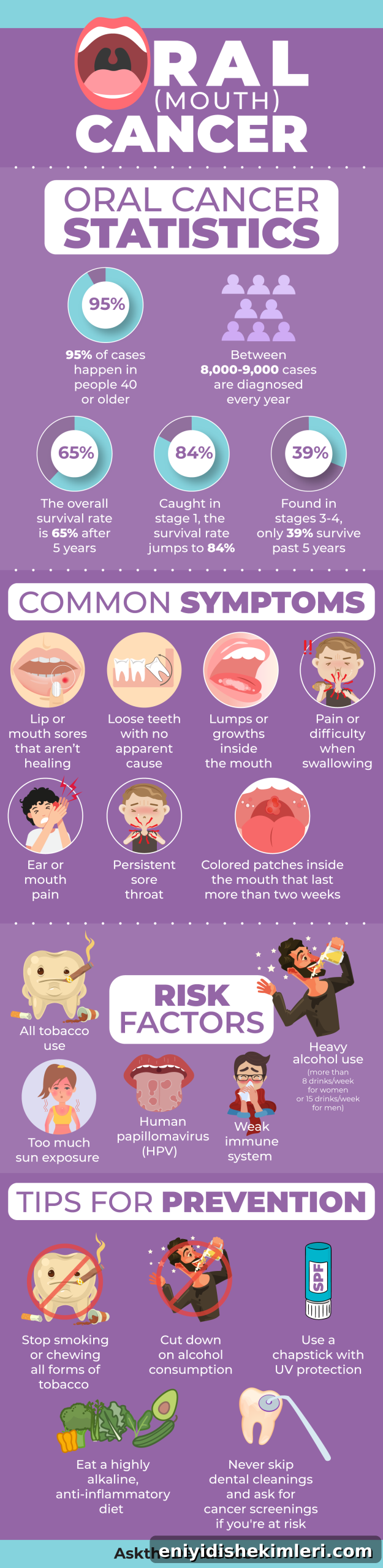
- Lip or mouth sores that do not heal
- Loose teeth without an obvious cause
- Lumps or growths inside the mouth
- Pain or difficulty swallowing
- Persistent ear or mouth pain
- Chronic sore throat
- Red or white patches inside the mouth lasting more than two weeks
Diagnosing Oral Cancer
Diagnosis begins with a physical exam by a dentist or physician who will inspect the mouth, lips, and throat for irregularities. If a suspicious lesion is found, a biopsy—removing a small sample of tissue—will be sent to a laboratory for microscopic examination.
If malignant or precancerous cells are identified, further tests may be recommended to determine the extent of disease. Imaging studies such as x-rays or CT scans and procedures like endoscopy can help evaluate whether cancer has spread to nearby structures or the throat (oropharynx).
Dental professionals often detect early oral lesions during routine checkups, which is why regular dental visits and twice-yearly cleanings are advised for early detection.
Human papillomavirus (HPV) is an increasingly important cause of some oral and oropharyngeal cancers. People with many oral sexual partners may have an elevated HPV risk; in such cases, discussing an endoscopic evaluation with a clinician can help identify lesions at the base of the tongue or throat that are not visible on a standard oral exam.
Early detection substantially improves treatment success, so do not delay seeking professional evaluation if you observe persistent concerning signs.
Identifying Oral Cancer and Pre-Cancer (with Pictures)
Discolored patches are among the most noticeable signs of potential oral disease. While not every patch represents cancer, any red, white, or mixed lesion that lasts more than two weeks warrants evaluation.
Common presentations include:
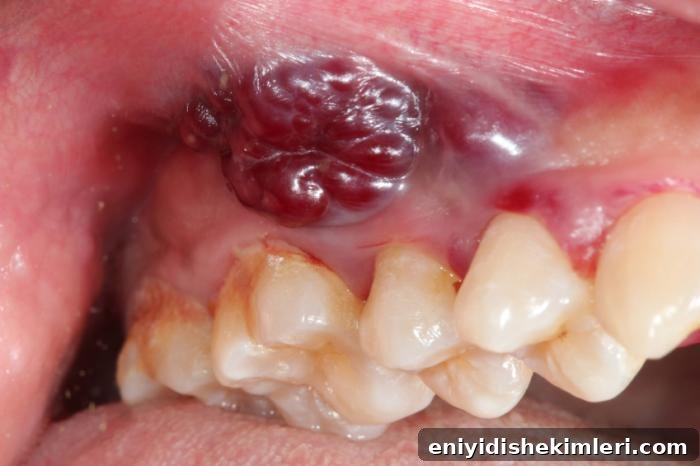
A Mixture of Red and White
Red-and-white lesions, often called erythroleukoplakia, can be asymptomatic but still carry risk. Persistent mixed-color patches require assessment and possibly biopsy.
Red Patches Alone
Red, velvety patches (erythroplakia) are frequently precancerous and have a high rate of malignant transformation. These patches can appear inside the mouth or under the tongue and should be evaluated promptly.
References
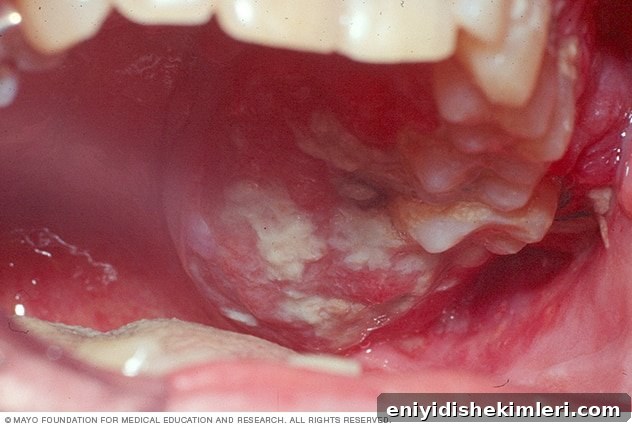
White Patches Alone
White or grayish patches (leukoplakia) often form in response to chronic irritation, tobacco exposure, or other irritants. While many white patches are benign, some represent precancerous changes and should be monitored or biopsied if persistent or changing.
References
Stages of Mouth Cancer
Physicians stage oral cancers to guide treatment and predict prognosis. The common system divides disease into four stages:
- Stage 1: Tumor two centimeters or smaller with no spread to lymph nodes.
- Stage 2: Tumor larger than two but under four centimeters; lymph nodes still negative.
- Stage 3: Tumor larger than four centimeters, or any size with spread to a single nearby lymph node. No distant metastasis.
- Stage 4: Cancer has spread to nearby tissues, multiple lymph nodes, or distant organs.
Many oral cancers are not detected until they are advanced, so prompt evaluation of suspicious signs is essential to avoid more invasive treatments.
10 Treatments for Oral Cancer (Conventional & Supportive)
1. Surgery
Surgery is a primary treatment for many oral cancers and may be curative, especially in early stages. Procedures range from local removal of the tumor to more extensive resections that include portions of the jaw or tongue. Neck dissection to remove involved lymph nodes and reconstructive surgery to restore form and function are common components of surgical care.
2. Radiation Therapy
Radiation uses targeted energy beams to destroy cancer cells and is often used after surgery or, in some cases, as a primary treatment. Radiation can cause oral side effects such as dry mouth, increased risk of tooth decay, and tissue changes in the jaw.
3. Chemotherapy
Chemotherapy employs drugs given by mouth or intravenously to kill cancer cells. It may be combined with radiation or used for more advanced disease. Side effects can include nausea, fatigue, and hair loss.
4. Clinical Trials
Clinical trials test new therapies and may be an option for eligible patients. Discuss potential benefits and risks with your oncology team before enrolling in a trial.
5. Targeted Therapy
Targeted drugs aim at specific molecular features of cancer cells to block growth or spread. They can be used alone or with other treatments depending on tumor characteristics.
6. Immunotherapy
Immunotherapy stimulates the body’s immune system to recognize and attack cancer cells. It is an important option for some patients, particularly when other treatments are ineffective.
7. Nutrition
Maintaining good nutrition supports healing and helps patients tolerate treatments. Many patients benefit from individualized dietary plans to address weight loss, swallowing difficulties, and treatment-related side effects. Work with a registered dietitian to develop a balanced plan that meets your needs during treatment.
8. Reducing Toxic Exposures
Limiting exposure to known toxins—such as tobacco, excessive alcohol, and certain environmental chemicals—is important for prevention and recovery. Supporting the body with a healthy diet and avoiding unnecessary exposures can aid overall health.
9. Good Oral Hygiene
Excellent oral care before, during, and after treatment reduces the risk of complications. Saliva support, careful cleaning, and appropriate toothpastes or topical agents recommended by your dental team can help manage sensitivity and decay related to cancer therapy.
10. Lifestyle and Supportive Therapies
Regular, gentle exercise such as daily walking, stress-reduction practices like journaling or meditation, and supportive therapies such as massage can improve quality of life and help patients cope with treatment-related fatigue and anxiety.
Mouth Cancer Causes and Risk Factors
Oral cancer arises from genetic changes in cells, but several factors raise the risk of those changes occurring. Key risk factors include:
- Tobacco use: Smoking and smokeless tobacco significantly increase oral cancer risk.
- Heavy alcohol use: Regular excessive drinking raises the likelihood of oral cancers.
- Excessive sun exposure: Chronic ultraviolet exposure can contribute to lip cancer.
- Human papillomavirus (HPV): HPV-related oropharyngeal cancers have become more common and are linked to certain sexual behaviors.
- Weakened immune system: Immunosuppression increases susceptibility to cancers.
Complications and Related Conditions
Treatments like radiation and chemotherapy can cause oral complications including mucositis (painful inflammation of the mouth lining), infections, dry mouth, damage to salivary glands, trismus (restricted jaw movement), and dental problems. Oral cancer survivors may also have higher risks for additional cancers and face increased rates of anxiety and depression.
Mouth Reconstruction and Rehabilitation
When cancer surgery removes tissue, reconstructive procedures can restore appearance and function. Surgeons may use tissue, muscle, bone, or nerve grafts from other body sites to rebuild the oral cavity and support speech, swallowing, and chewing. Dental prosthetics and implants can replace lost teeth. Rehabilitation is often intensive and multidisciplinary, involving physical therapy, speech therapy, and counseling to support recovery.
How to Prevent Oral Cancer
Prevention focuses on reducing risk: quit tobacco and limit alcohol, protect lips from sun exposure with hats and SPF lip products, maintain a healthy diet rich in fruits and vegetables, and consider HPV vaccination where appropriate. Regular dental care and prompt evaluation of suspicious lesions are important preventive measures.
Dental Visits, Self-Exams, and Screening
Regular dental exams (typically every six months) allow professionals to screen for early signs of oral cancer. If you have risk factors, ask your dentist about an oral cancer screening. Perform periodic self-exams with good lighting to look for persistent lumps, sores, or discolored patches, and seek professional evaluation for anything that does not resolve within two weeks.
Support for Living with Oral Cancer
Emotional and practical support is important. Support groups, online communities, and local resources connect patients and caregivers with shared experience and coping strategies. Involving family or friends in appointments and recovery plans helps with decision-making and emotional resilience.
FAQs
Q
What is the survival rate for mouth cancer?
A
Survival depends strongly on stage at diagnosis. Overall five-year survival rates vary by country and population, but earlier-stage detection is associated with much higher survival. When caught in stage I or II, five-year survival rates are substantially higher than when cancer is advanced.
Q
How fast does oral cancer spread?
A
Progression varies by tumor type and individual factors. Some oral cancers can invade nearby tissues and spread to distant organs. Early detection and treatment are critical because many cases are diagnosed after the disease has advanced.
Key Takeaways: Oral Cancer
- Oral cancer develops when cells in the mouth begin to grow abnormally, forming lesions and tumors that can affect many oral structures.
- Persistent symptoms lasting more than two weeks—such as mouth sores, pain when swallowing, discolored patches, unexplained loose teeth, and chronic sore throat—should prompt evaluation.
- Staging guides treatment and prognosis; early detection improves outcomes.
- Treatment commonly includes surgery, radiation, and chemotherapy; targeted and immune-based therapies and supportive care play important roles.
- Major risk factors include tobacco, heavy alcohol use, sun exposure of the lips, and HPV infection; reducing these exposures lowers risk.
- Regular dental visits and screenings help detect oral cancer earlier, and a strong support and rehabilitation network is available for patients and families.
References
- Selected peer-reviewed literature and clinical guidelines inform the summary above.