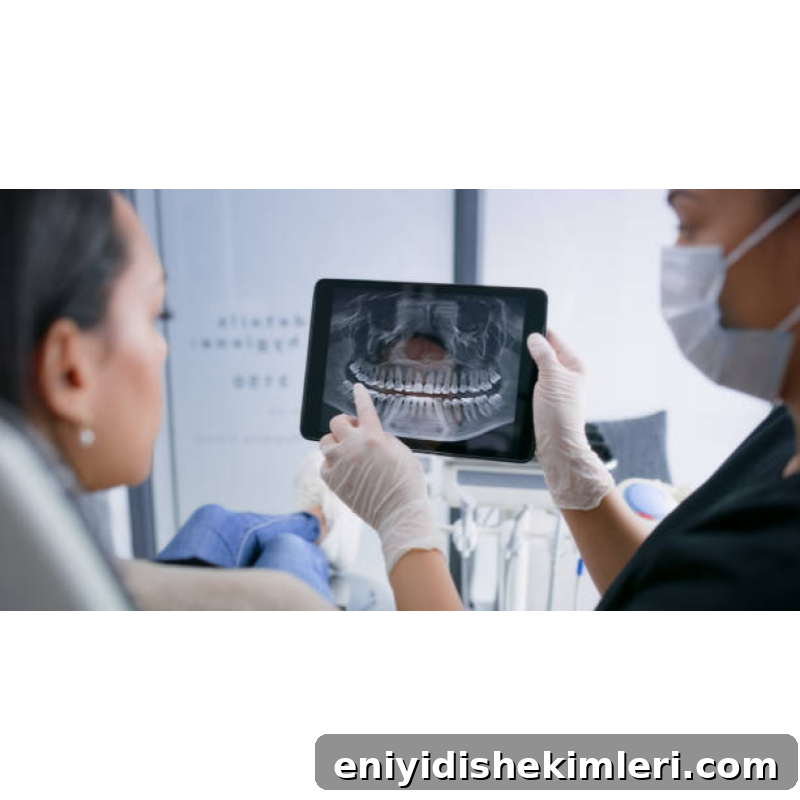
At my annual physical, my doctor asks about my diet, sleep, and stress levels. At most dental visits, the focus is usually just on whether patients are flossing.
For forty years in dentistry — including my own practice — I watched the profession emphasize mechanical cleaning: brushing, flossing, fluoride. We treated the mouth like a sink that needed scrubbing. But the mouth is not a sink; it’s an ecosystem. Like any ecosystem, it thrives or falters depending on the environment you provide.
One of the most overlooked influences on oral health is hydration and electrolyte balance.
Thirty years ago I would have been surprised to write about electrolytes and oral health; we often associate electrolytes with athletes. What I’ve learned is this: the health of your saliva determines the health of your oral microbiome, and that oral microbiome affects nearly everything else.
Many people assume saliva is only water. It is roughly 99% water, but the remaining 1% plays a critical role.
That 1% includes:
- Electrolytes (sodium, potassium, calcium, magnesium, bicarbonate, phosphate)
- Antimicrobial proteins
- Enzymes
- Antibodies
- pH buffers
What surprised me most is that saliva viscosity — how thick or thin it is — directly affects which bacteria can thrive in your mouth.
Think of viscosity like this: honey is thick and moves slowly; water is thin and flows quickly. Your saliva should be in the middle—not stringy and ropey, but not overly watery either.
When you are properly hydrated and your electrolytes are balanced, saliva has the right consistency. That balance allows mucin proteins to expand and form a protective coating over teeth and gums — a beneficial biofilm.
When you are dehydrated, everything shifts. Saliva becomes thicker and stickier, flow rate drops, and antimicrobial proteins cannot work as effectively. As a result, bacteria that shouldn’t dominate begin to take over.
Research on people with dry mouth (xerostomia) shows clear changes in the oral microbiome: more pathogenic species and fewer health-associated species. Similar patterns appear in chronically dehydrated people even if they don’t report classic dry mouth sensations.
The Dysbiosis Cascade
When saliva flow decreases and its composition changes, the oral ecosystem can fall into dysbiosis — an imbalance of microbes. The cascade typically looks like this:
- Beneficial bacteria (for example, Streptococcus salivarius) decline
- Pathogenic bacteria (Porphyromonas, Fusobacterium, Prevotella intermedia) increase
- Biofilm shifts from protective to inflammatory
- Risk for cavities, gum disease, and systemic inflammation rises
This can occur even with excellent brushing and flossing. I’ve seen patients with meticulous hygiene still suffer cavities, bleeding gums, or chronic bad breath. The underlying problem was their oral environment, not brushing technique.
You can brush and floss daily, but those practices only support a healthy oral microbiome when saliva has the right viscosity. Without that foundation, oral health remains at risk.
Many toothpastes and oral products can dry the mouth, much like soaps can dry skin. Healthy saliva production requires adequate electrolytes.
Key electrolytes and their roles include:
- Bicarbonate — buffers pH and neutralizes acids that cause cavities
- Calcium and phosphate — support remineralization of tooth enamel
- Sodium and potassium — regulate fluid balance and saliva flow
- Magnesium — supports enzyme function and mineral absorption
When electrolytes are low—due to dehydration, poor diet, excess caffeine, or chronic stress—saliva composition changes. Bicarbonate declines, pH becomes more acidic, and mineral content falls, creating a favorable environment for cavity-causing bacteria.
Electrolyte imbalance also affects overall water distribution in the body. Too few electrolytes can draw water into cells and away from tissues; too many can pull water out of cells. Maintaining balance keeps body water where it should be.
Modern diets often lack mineral-rich whole foods, public water is frequently stripped of minerals, and factors such as stress, sweating, caffeine, alcohol, and certain medications increase electrolyte loss. Signs of dehydration and low electrolytes include fatigue, headaches, dry mouth, brain fog, darker urine, muscle cramps, and persistent thirst even after drinking water.
While electrolytes provide the physical foundation for a healthy oral microbiome, certain dietary compounds supply a biological foundation. Green tea polyphenols, particularly EGCG (epigallocatechin gallate), have several beneficial effects:
- Disrupt formation of pathogenic biofilms (notably bacteria like S. mutans)
- Reduce bacterial adhesion to teeth
- Shift the oral microbiome toward health-associated species
- Lower inflammation in gum tissue
Green tea is effective because it does not indiscriminately kill bacteria like antiseptic mouthwashes. Instead, it selectively disrupts pathogenic biofilms while supporting beneficial bacteria. In effect, green tea can act as a prebiotic — feeding the good bacteria you want while making conditions less favorable for the bad ones.
You need bacteria in your mouth; the goal is the right balance. This approach inspired the creation of a prebiotic toothpaste company I helped found. Rather than focus solely on killing bacteria, the aim is to feed beneficial bacteria and support enamel repair with nano-hydroxyapatite.
For many years I’ve included green tea in my routine and have noticed measurable improvements in oral health: less plaque buildup, cleaner-feeling teeth, and healthier-looking gums, as noted by my hygienist.
If you experience recurring cavities despite good oral hygiene, bleeding gums, persistent bad breath, dry mouth, or tooth sensitivity, your dentist should be asking about your hydration, electrolyte intake, and what you drink throughout the day.
Drinking green tea can also displace other beverages that negatively affect the oral microbiome, such as sugary drinks, certain kombuchas, and other fermented sodas. Green tea’s pH is mildly acidic but far less harmful than soda or fruit juice.
P.S. Much of dentistry still emphasizes mechanical care, but that is changing. Functional dentistry is increasingly recognizing that oral health is tightly connected to systemic health. If you want to find a clinician who sees the mouth as part of the whole body, seek out practitioners who adopt that broader perspective.

Hope you have a great week,
Mark