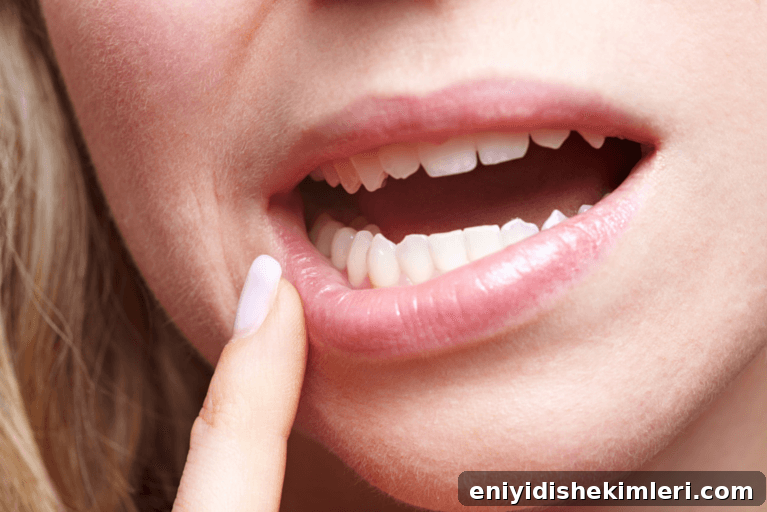
Night Guard Question: I’m getting a night guard because I have severe teeth grinding and clenching. This will be my second attempt. Any tips for adjusting to it?
– Paula via Twitter.
Answer: Before offering tips on how to adjust to a night guard, it’s important to identify why the first one bothered you.
Does it trigger a gag reflex?
Is the bulky feeling in your mouth the problem?
Often, whatever irritates you about the appliance is a clue that your sleep is not deep. If you were sleeping deeply, you likely wouldn’t notice the night guard at all. It’s typically during lighter sleep stages that small disturbances — a night guard, a dripping faucet, a ticking clock, or a full bladder — become noticeable.
First and foremost, find out what’s causing the clenching and grinding. A night guard is a protective measure for your teeth, but it’s essentially a band-aid. It prevents dental wear but does not address overworked jaw muscles or the joint, which can continue to hurt and deteriorate if the underlying cause remains untreated.
Also note: clenching and grinding are frequently associated with sleep apnea.
What Happens If I Grind and Clench But Don’t Wear a Night Guard?
Considering a night guard is a preventive and sensible step. Without protection, chronic grinding and clenching will progressively wear down tooth structure. Over time this can lead to flattened teeth, exposure of tooth nerves causing sensitivity to hot and cold, cracks, gum recession, tooth loss, and significant jaw and facial pain.
Treating the Root Cause of Grinding and Clenching
Has your dentist suggested a sleep study? Modern dental theory increasingly links grinding and clenching to sleep-disordered breathing, including obstructive sleep apnea. The definitive diagnosis, however, must come from a sleep medicine physician. Investigating and treating sleep apnea is a crucial step toward resolving the root cause of your bruxism.
What Does Grinding Have to Do With Sleep Apnea?
As you enter the deepest stages of sleep, most muscles relax — neck and airway muscles included. The jaw may move back, and the tongue can fall toward the throat, narrowing or blocking the airway. In response, the brain sometimes activates jaw muscles to grind or clench in an effort to reopen the airway and restore breathing.
This protective grinding can occur repeatedly through the night, preventing you from reaching or maintaining restorative deep sleep. Deep sleep is when key repair processes occur, including secretion of growth hormone that helps repair tissue and maintain overall health. Missing these stages even briefly can leave you feeling mentally and physically compromised the next day.
Repeated episodes of disrupted breathing and grinding strain the body emotionally and physically, taxing the adrenal system and potentially contributing to mood disorders, immune suppression, and long-term cognitive decline.
Treating Grinding with OAT (Oral Appliance Therapy)
Oral appliance therapy (OAT) uses a device similar to a retainer that holds the lower jaw slightly forward. By supporting the jaw and airway when muscles relax, these appliances can prevent airway collapse. When the airway remains open, the protective grinding response typically stops, and you can progress into deeper sleep stages.
When you grind, you’re often coming out of deep sleep into a lighter state where you become momentarily aware of the grinding or its sensation against a night guard. Once the airway is supported, that grinding response usually ceases.
How to Adjust to Sleeping With a Night Guard
If you explore the sleep apnea connection and still choose to use a night guard, try these practical steps to adapt more comfortably:
- Ask your dentist for a thin material first. A low-profile appliance similar to Invisalign or made of thinner acrylic takes up less space in the mouth and is usually easier to tolerate.
- Consider getting both an upper and a lower guard initially so you can try each and determine which is more comfortable. Many people find they prefer one arch over the other; this often dictates long-term acceptance.
- Put the night guard in right before bed to reduce the chance of noticing it while lying awake. Commit to wearing it nightly for at least 30 days. Consistent nightly use is the most reliable way to form the habit; sporadic use for a few hours here and there won’t help you adjust.
Ultimately, addressing the underlying cause of your grinding and clenching will produce the best outcome. Even when you become comfortable with a night guard, it only protects teeth — it doesn’t stop muscles and the jaw joint from working overtime. Whenever possible, aim to treat or eliminate the cause rather than only managing symptoms.
Mark Burhenne DDS
Want to learn more? Check out my #1 Amazon bestselling book, The 8-Hour Sleep Paradox.
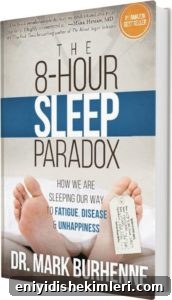 This book outlines strategies to improve sleep quality so you can be your best, most capable self.
The program highlights steps that help you:
- Achieve a healthy weight by naturally regulating appetite
- Support healthier aging through improved restorative sleep
- Wake up feeling refreshed and positive
- Boost energy, concentration, and mental focus
- Reduce daytime sleepiness and brain fog
Get your copy now!