
Teeth stains and yellowing are common. Whether caused by genetics, dental damage, or staining from foods and beverages, most people will notice changes in tooth color over time. Aging also contributes to yellowing, even when oral hygiene is excellent.
While many whitening options can reduce discoloration, some methods pose risks to enamel, gums, and the oral microbiome. As more people prefer natural approaches, it’s important to choose safe, effective techniques that preserve oral health rather than accelerate wear or cause irritation.
Before recommending the safest ways to brighten your smile, it helps to understand how teeth become discolored.
What Really Causes Dental Stains and Yellow Teeth?
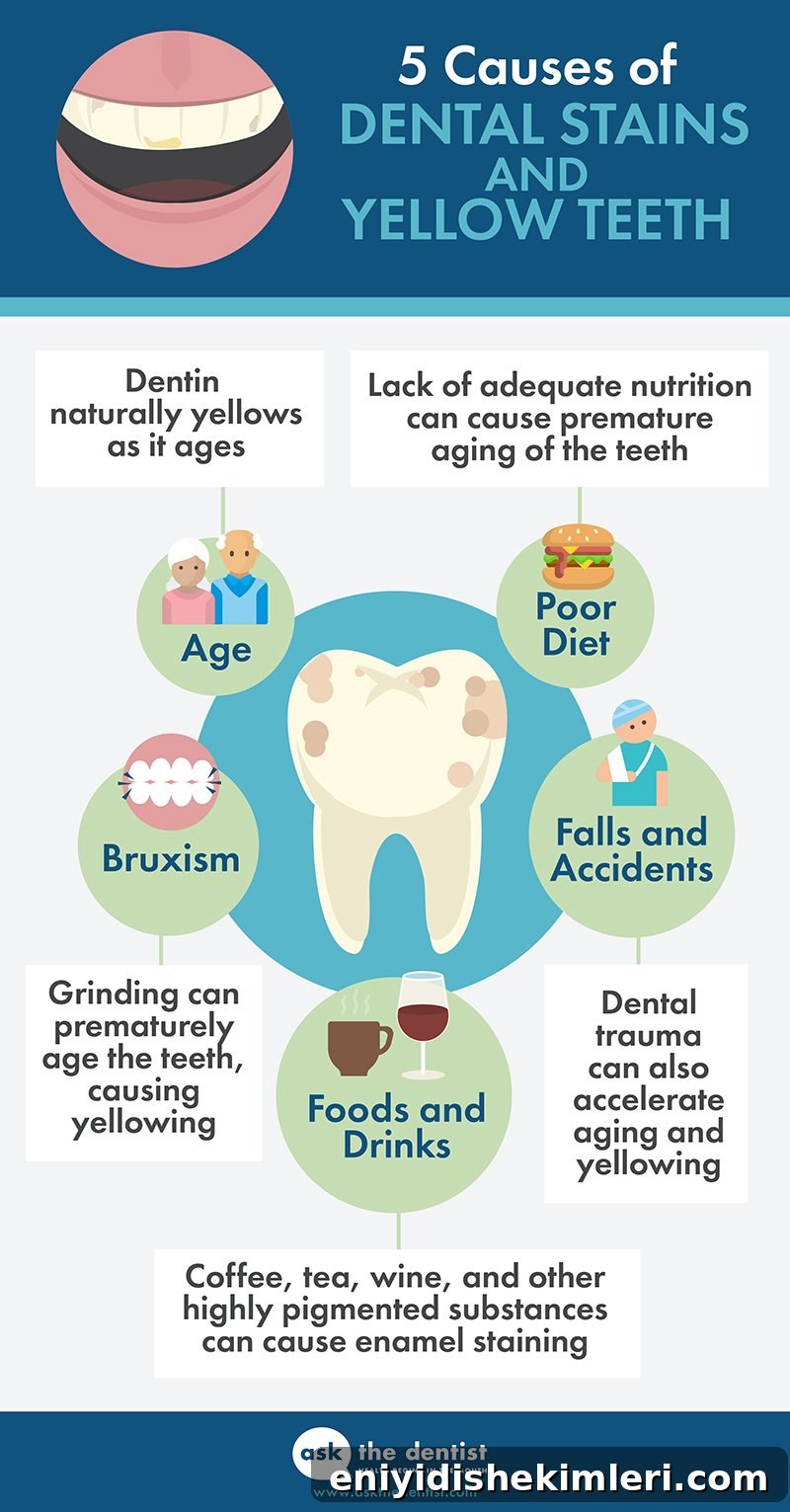
Teeth consist of an outer, non-living enamel layer and an inner, living dentin. Staining can affect one or both layers for different reasons:
Age: The dentin naturally darkens and yellows with age. Because enamel is semi-translucent, the color of the dentin influences overall tooth color. There’s currently no reliable method to change dentin color without professional procedures.
Grinding: Chronic grinding (bruxism) accelerates tooth wear and can thin enamel, making the yellow dentin underneath more apparent.
Dental trauma: Injury to a tooth can alter its appearance and speed aging processes that lead to discoloration.
Poor diet: Insufficient nutrients can impair dental health and contribute to premature aging of tooth structure, which in turn affects color.
Foods and drinks: Enamel collects surface stains from strongly pigmented items such as wine, tea, coffee, and tobacco. These extrinsic stains are often the easiest to address with cleaning or safe whitening methods.
The Problem with Most Teeth Whitening Methods
When teeth look dull or stained, over-the-counter whiteners and in-office procedures can be tempting. However, many popular options carry downsides. In-office laser or halogen treatments and high-concentration peroxide systems can cause tooth sensitivity and gum irritation if not applied correctly.
Whitening strips and at-home kits may not cover every surface evenly and can allow bleaching agents to contact gums, leading to irritation. Because regulation varies, it can be hard to judge product safety.
“Natural” home remedies such as apple cider vinegar, baking soda, or crushed strawberries can appear to whiten teeth by eroding enamel with acids or abrasives. While enamel erosion can reveal a temporarily whiter surface, it also weakens teeth and accelerates future staining and damage.
So are there natural whitening methods that are both safe and effective? Yes—when used carefully and sparingly.
Safe, Effective, and All-Natural Ways to Whiten Teeth
Activated Charcoal
Activated charcoal binds to surface stains and has been used historically for adsorption in medical contexts. In oral care, charcoal removes extrinsic stains rather than altering dentin color. To use it safely, apply a charcoal paste to teeth, let it sit 5–10 minutes, then rinse and gently brush away residue. Charcoal can be abrasive, so avoid daily use and check a product’s relative dentin abrasivity before prolonged application.
Turmeric
Turmeric, a traditional herb, is often mixed with coconut oil and applied to teeth. Although clinical evidence for whitening is limited and largely anecdotal, turmeric shows anti-inflammatory and antibacterial properties that may support gum health. Coconut oil may assist by loosening biofilm, while turmeric offers mild abrasive action. Use cautiously and monitor for staining from the spice itself on clothing or surfaces.
Whitening Toothpaste
No toothpaste can truly change dentin color; most products marketed as “whitening” simply improve surface cleanliness. Making your own toothpaste can let you avoid questionable additives commonly found in commercial pastes. Focus on gentle cleaning rather than aggressive formulations that risk enamel wear.
Stain-removing Toothbrush
A quality toothbrush, especially an oscillating electric model with a soft head, can remove extrinsic stains effectively. Proper brushing technique is essential: position the brush so bristles surround each tooth, use gentle circular or wiggle motions, and avoid scrubbing hard, which can erode enamel. Brushing with your non-dominant hand occasionally can help prevent over-brushing.
Best for Stain Removal

Goby Brush
My Pick
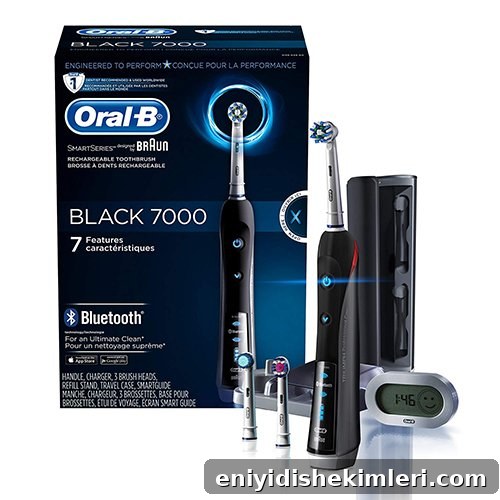
Oral B SmartSeries 7000
My Pick
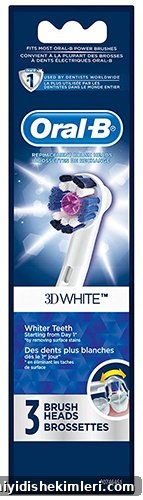
Oral B 3D White Replacement Brush Heads
The Best Ways to Prevent Teeth Stains
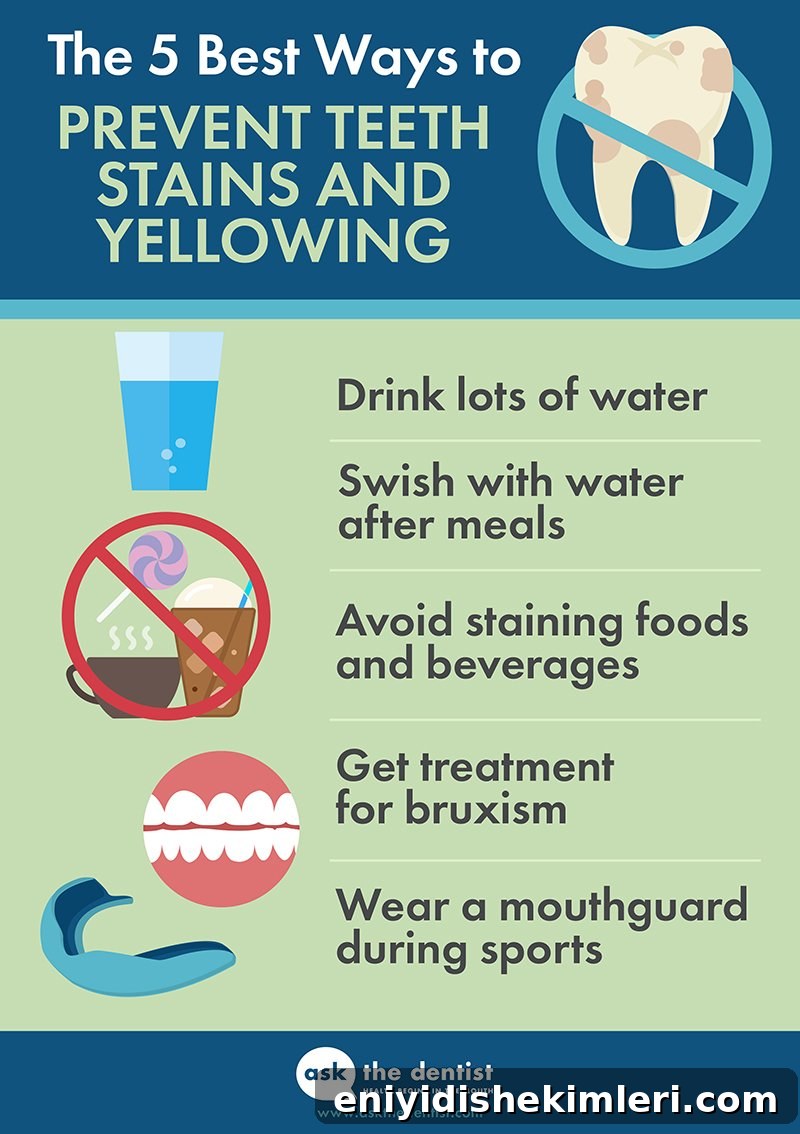
Prevention is the most effective “whitening” strategy. Simple habits can reduce staining and protect enamel:
- Drink water frequently. Sipping water while consuming staining beverages reduces contact time and helps rinse pigments away.
- Swish with water after meals. Rinsing after eating washes away staining particles from foods like berries.
- Avoid or limit staining foods and beverages. Wine, tea, coffee, and dyed foods contribute to surface stains; limiting them or rinsing with water afterward helps preserve tooth color.
- Treat bruxism. Address grinding with a dental professional to prevent premature enamel wear and yellowing.
- Wear a mouthguard during sports. Protecting teeth from impact reduces the risk of trauma-related discoloration.
Conclusion
Whitening is a cosmetic choice, not a medical necessity. Prioritize oral health over aesthetic results and keep expectations realistic. Natural options like activated charcoal, turmeric mixes, improved brushing technique, and a quality toothbrush can reduce surface stains without compromising oral tissues when used properly.
If you want stronger, predictable results, the safest professional option is custom whitening trays provided by a dentist. Though not strictly natural, they offer controlled, effective whitening with minimal risk when used under dental supervision.